Vitamin D is often framed as a simple sunshine vitamin, but the story is more culinary than people expect. Your body doesn’t merely “receive” vitamin D; it negotiates absorption, transport, and utilization—processes that are intimately tied to dietary fat. The question, then, becomes practical: how much fat do you need to absorb vitamin D, and what changes when you adjust your diet, your supplement type, or your meal composition? A dietitian’s answer is nuanced, because fat requirements aren’t one-size-fits-all; they depend on the form of vitamin D, your gut health, and the context of the meal.
First Principles: Why Fat Matters for Vitamin D Absorption
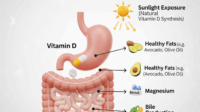
Vitamin D is fat-soluble, meaning it travels through the digestive system alongside dietary lipids. When you eat fat, your body responds by releasing bile, which helps emulsify fats and fat-soluble compounds. This creates a microenvironment where vitamin D can be incorporated into micelles—tiny delivery vehicles that allow absorption through the intestinal lining.
Without enough fat (or without adequate bile activity), vitamin D may drift through the gut with less absorption, even if the supplement itself is potent. Interestingly, the body can still absorb some vitamin D when fat is minimal, especially at higher doses, but the efficiency can drop.
Vitamin D Forms: D3 vs D2 and How Lipids Influence Each
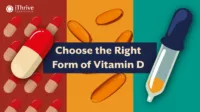
Most discussions focus on vitamin D supplements, typically vitamin D3 (cholecalciferol) or vitamin D2 (ergocalciferol). Both are fat-soluble and rely on similar digestive pathways. However, D3 is often favored for raising blood levels more reliably in many dietary patterns.
In practical terms, regardless of D3 or D2, taking vitamin D with a meal containing fat generally improves absorption. The mechanism is consistent: the presence of dietary fat supports bile secretion and micelle formation, giving vitamin D a smoother route into circulation.
How Much Fat Is “Enough”? A Dietitian’s Practical Range
You might hope for a single precise number, but physiology rarely cooperates. Still, there are useful working ranges. Many clinicians suggest that taking vitamin D with a meal that includes at least a moderate amount of fat supports absorption.
As a dietitian, the most actionable guidance tends to be behavioral rather than mathematical: pair vitamin D with a meal that has some fat, not a zero-fat beverage. For most people, this means a meal containing roughly 5–15 grams of fat—often naturally achieved with common foods such as olive oil, avocado, nuts, eggs, cheese, yogurt, or fatty fish.
If you consume a very low-fat diet, absorption can become less consistent, and you may need a tailored approach—possibly adjusting dose timing, meal composition, or medical evaluation if absorption is a concern.
Meal Timing: Absorb It With Food, Not on an Empty Stomach
Vitamin D is best thought of as a “with-meal” nutrient. Taking it on an empty stomach can still work for certain individuals, but absorption may be less robust because the digestive system lacks the same fat-driven bile response.
Short and simple rule: take vitamin D with your fattiest meal of the day when possible—often lunch or dinner. If you split your dose, consider pairing each portion with food rather than stacking it between meals.
There is also a psychological component. When supplements are routine, consistency becomes the real superpower. A meal-associated habit reduces missed doses and supports steady increases in vitamin D status.
What “Low Fat” Really Means in Real Life
“Low fat” sounds straightforward, but the lived reality is confusing. A yogurt cup labeled “fat-free” may still be nutritionally helpful, yet it usually lacks the lipid content that fuels micelle formation. Similarly, a smoothie made with water instead of milk can be delicious but less supportive for fat-soluble absorption.
To make low-fat meals work, you can incorporate small amounts of fat without turning your plate into a lipid festival. For example:
• Add a spoon of olive oil to vegetables or grains.
• Mix vitamin D timing with a serving of nut butter or tahini.
• Pair the supplement with eggs, salmon, sardines, or a small portion of cheese.
Even modest fat additions can shift absorption efficiency, which is why meal pairing often outperforms complicated dosing strategies.
Signs You Might Not Be Absorbing Vitamin D Well
Sometimes the body doesn’t cooperate—regardless of fat intake. Persistent low vitamin D levels can occur with inadequate dietary intake, limited sun exposure, or absorption difficulties. Clues may include inadequate response to supplements, certain gastrointestinal conditions, or medical factors that affect bile flow.
People at higher risk may include those with:
• Celiac disease or inflammatory bowel disease (depending on severity and treatment).
• Pancreatic insufficiency.
• Cholestatic liver conditions or bile duct problems.
• Bariatric surgery history.
• Chronic fat malabsorption disorders.
If lab values remain stubbornly low despite taking supplements correctly with meals, it’s worth discussing a tailored plan with a healthcare professional.
Supplement Strategies: Liquids, Gummies, Capsules, and Gel Caps
Not all supplements behave the same way. Traditional capsules and softgels often contain oil-based carriers that may support absorption even if the meal is lean. That said, meal pairing still generally helps because your digestive system is primed when you eat.
Liquid vitamin D or “drop” formulations may feel more flexible. Some are carried in oils; others are emulsified in ways designed for easier mixing. Gummies, on the other hand, are usually convenient but may rely on whatever fat content is present in the gummy base—which can be small. The key is to check whether your product is oil-based and to confirm the recommended dosing instructions.
If your goal is dependable absorption, softgels or oil-based formats taken with a meal that contains fat often provide a consistent approach.
Fat Sources: Healthy Options That Still Do the Job
Absorption doesn’t demand “perfect” fat, but your overall health does. Dietary fats vary in fatty acid profiles, and the body benefits when fats are paired with fiber-rich meals.
Consider these fat-forward options that also support cardiometabolic health:
• Extra-virgin olive oil (excellent for vinaigrettes and cooking).
• Avocado (easy to pair with eggs or salads).
• Nuts and seeds (sprinkle, don’t drown).
• Fatty fish (salmon, sardines, mackerel).
• Full-fat yogurt or kefir (if tolerated).
This isn’t just about absorption. Vitamin D interacts with calcium metabolism and bone health, so a nutrient-dense pattern matters.
How Much Vitamin D Are You Actually Taking?
The required fat can vary indirectly with dose. Higher doses may absorb better even when meal fat is limited, but the body still prefers physiologic support from a meal. Meanwhile, higher doses also raise the importance of monitoring for appropriateness.
A dietitian may recommend rechecking blood levels after a reasonable adjustment period. If your vitamin D increases slowly, the first variables to optimize are often timing and meal composition—especially fat pairing—before changing dose dramatically.
In short: absorption efficiency influences what dose “feels like” in your bloodstream.
Common Nutrition Mistakes: What Can Undermine Absorption
Several habits can quietly sabotage vitamin D uptake. Taking vitamin D right after a very low-fat snack is a common misstep. Another is taking it consistently, but at an irregular meal schedule, which makes the body’s digestive rhythm unpredictable.
Also consider the wider food context. A meal high in fiber and whole foods is generally beneficial, but if your vitamin D is taken with a meal that is both low in fat and poorly tolerated (for example, due to nausea or GI upset), absorption may be compromised.
Finally, “more” isn’t always better. Excess vitamin D can be harmful, so dosing should align with lab targets and professional guidance.
Practical Takeaway: A Simple Meal Pairing Method
If you want a clear, usable framework, try this: take your vitamin D with your largest, most satisfying meal that includes at least a modest fat source. Think “balanced” rather than “greasy.” Aim for a meal that plausibly contains around 5–15 grams of fat for many adults, and adjust based on your dietary pattern and lab results.
Then track outcomes. Over time, your vitamin D level becomes the feedback signal—confirming whether your fat pairing is adequate or whether your absorption pathway needs further support.
Questions to Consider for Personalization
Because absorption is individualized, helpful questions include: What form of vitamin D are you taking? With which meal do you take it? How consistent is your meal timing? Do you have any gastrointestinal conditions or a history of bariatric surgery? Are you monitoring labs?
Answering these turns a vague nutrition concern into a precise plan. Vitamin D absorption is rarely about a single nutrient quantity; it’s about choreography between fat, bile, timing, and your unique digestive landscape.