Vitamin D is often described as the body’s “sunlight vitamin,” but the story is more interesting than a simple headline. Think of vitamin D as an ember—tiny, almost invisible at first—yet capable of warming everything it touches: immune signaling, bone remodeling, mood regulation. Now imagine olive oil as the kindling’s companion: a carrier that helps your body manage what’s otherwise a little stubborn to absorb. Can you take vitamin D with olive oil? Yes—and the “why” is where the metaphor gets deliciously real.
Why Vitamin D Needs a Little Help
Vitamin D is a fat-soluble nutrient. That single phrase changes the entire plot. Fat-soluble vitamins don’t travel freely through the bloodstream like eager commuters. Instead, they prefer to hitch a ride with dietary fats, moving in micelles and transport pathways that are designed for lipid-bound travelers.
So if you take vitamin D on an empty stomach—or with foods that are nearly fat-free—you may still absorb some of it. But the efficiency can be lower. The result can feel like trying to light a candle in a windy room: the effort is there, yet the flame won’t hold as well.
Olive Oil as a Gentle Transport Vehicle
Olive oil is not merely a culinary accessory. It’s a thoughtful medium. When you consume vitamin D alongside olive oil, the digestive system often has an easier time integrating the fat-soluble vitamin into the same “traffic lane” as other dietary lipids.
In metaphor terms, vitamin D is like a rare seed. Olive oil becomes the soil amendment that makes the seed more likely to sprout. Not magic, not instant transformation—just better odds that the nutrient arrives where it’s needed and at the right moment.
The Biology Behind the “Yes”
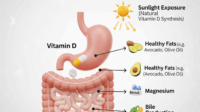
The body absorbs fat-soluble compounds through processes involving bile and the formation of micelles. Olive oil contributes dietary fat that supports this pathway. Because vitamin D is fat-soluble, it can integrate more effectively into those absorption mechanisms.
In practice, that means a person may see more reliable absorption when vitamin D is taken with a meal containing healthy fats. Olive oil is a particularly popular option because it’s widely available, easy to measure, and compatible with many diets.
Benefits: Bone, Immunity, and Beyond
Vitamin D is frequently discussed in relation to bones—calcium absorption, bone density, and the steady work of remodeling. But the narrative extends further. Vitamin D influences immune function and cellular signaling. It can also intersect with mood and energy regulation, which is why some people notice they feel “steadier” when levels are supported.
Still, better absorption doesn’t automatically mean dramatic effects overnight. The most compelling outcomes tend to be gradual: a more consistent baseline, fewer symptoms for those who were deficient, and a calmer biochemical rhythm.
Choosing the Right Form of Vitamin D
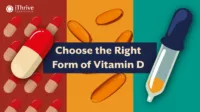
Not all vitamin D supplements are created equal. Common forms include vitamin D3 (cholecalciferol), which is often preferred because it aligns with how your body naturally produces and uses vitamin D. The delivery system also matters: some softgels already contain oil, while others are formulated differently.
If your supplement is already in an oil-based softgel, adding olive oil may not be necessary. If it’s a dry capsule or tablet, pairing it with olive oil—either in a meal or via a calculated drizzle—may be more relevant.
How to Take Vitamin D with Olive Oil (Practical Guidance)
Timing matters less than consistency, but consistency thrives on routine. Many people take vitamin D with the largest meal of the day, simply because it naturally contains more dietary fat. Olive oil can be part of that meal—think salads, roasted vegetables, or a drizzle over warm grains.
If you’re taking a capsule, you can choose: take it with a meal that includes olive oil, or follow your supplement’s directions. For liquid formulations, combining with a small amount of olive oil is sometimes easier, especially if the product indicates co-ingestion with fats. Always follow label instructions first; they’re the blueprint for the specific product.
Potential Risks and Who Should Be Extra Cautious
Vitamin D is powerful. That power comes with a caution: too much can raise blood calcium levels and lead to complications. Hypervitaminosis D is uncommon when supplements are used responsibly, but it’s not a myth.
Extra caution is especially important for individuals with kidney disease, those with a history of kidney stones, sarcoidosis, certain granulomatous conditions, or anyone taking medications that affect calcium balance. In these cases, a clinician’s guidance is essential—because the safe dose isn’t just a number, it’s a personalized equation.
Olive oil itself is generally well-tolerated, but adding it in large quantities can increase calorie intake and may affect digestive comfort for some people.
What About “More Is Better”?
One intriguing misconception is that adding olive oil creates an absorption multiplier that makes higher doses automatically safer. That’s not how physiology works. Olive oil can support absorption, but it doesn’t turn excess dosing into wellness.
Vitamin D levels should ideally be informed by blood tests—25-hydroxyvitamin D is the common marker. Think of it like tuning an instrument: you don’t crank every knob to maximum and hope for harmony. You adjust toward the correct pitch.
Metaphor for Everyday Life: Sunlight, Oil, and the Road
Imagine sunlight as the original source, arriving like daytime. Vitamin D is the message carried into the body. Yet messages still need delivery logistics. Olive oil is the road system that helps those messages travel efficiently through the city of digestion.
Without the road, the message may sit at the border. With the road, it moves smoothly into the bloodstream’s bloodstream-adjacent pathways. The metaphor isn’t just poetic—it mirrors the practical reality of fat-soluble absorption.
Pairing Ideas: Simple Meals That Make It Effortless
Instead of treating supplementation like a separate chore, you can blend it into life. Consider taking vitamin D with meals that naturally contain healthy fats:
• Olive oil–based salads with eggs, avocado, or nuts
• Salmon or sardines with a drizzle of olive oil and roasted vegetables
• Yogurt with olive oil–friendly toppings (like nuts and fruit) if that fits your diet
• Whole grains dressed with olive oil and herbs
When eating feels pleasant, consistency becomes less like discipline and more like rhythm.

When to Consider Testing and Fine-Tuning
If you’re new to supplementation, or if you’ve had low vitamin D in the past, testing can illuminate what your body is actually doing with those embers. Results help decide whether your dose is adequate, whether you should maintain, or whether you should adjust.
After changes, many clinicians recheck levels after an appropriate interval. Then you can refine the routine—keeping the absorption-friendly pairing with olive oil while staying aligned with a safe, targeted dose.
The Bottom Line: A Thoughtful “Yes”
Can you take vitamin D with olive oil? Yes—because vitamin D is fat-soluble, and olive oil helps create the conditions that support efficient absorption. It’s not a shortcut to miracles, but it is a sensible strategy that respects how the body actually works.
Use it like you’d use a well-chosen key: not to force a door open, but to turn the lock smoothly. When supplementation is paired with the right nutritional context, vitamin D’s tiny ember can finally find its warmth—and keep burning steadily.