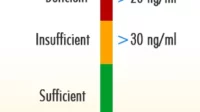
Vitamin D is a curious resident in the body—part hormone, part messenger, and part seasonal storyteller. Many people imagine it as either “present” or “absent,” as if sunlight were a simple on/off switch. But the truth is more like a library catalog: you can see the book on the shelf and still wonder whether the story inside is being read correctly. So the question isn’t merely, can you be deficient with “normal” blood levels? It’s also whether your measurements are telling the whole narrative, or only a snapshot taken mid-story.
Blood Numbers: The Comforting Mirage
When labs report vitamin D in a “normal” range, relief often arrives quickly—like a curtain dropping after a tense scene. Yet “normal” is a statistical comfort, not a guarantee of physiological adequacy. Reference ranges are frequently built to reduce broad risk, not to optimize every individual’s biochemistry.
Consider vitamin D as a conductor of an orchestra. A test result can show that the conductor is on the stage. Still, it can’t fully prove that the performance is harmonious in every section—bone turnover, immune signaling, muscle function, and inflammatory modulation all have their own timing and tuning.
Moreover, different labs and testing methods may produce slightly different values. Even with the same person, levels can fluctuate with seasonality, sun exposure, skin pigmentation, clothing habits, body composition, and dietary intake.
Deficiency Without Alarm: When “Normal” Isn’t Symmetrical
Yes, it’s possible to have functional vitamin D insufficiency despite results that land inside the so-called normal band. “Deficiency” can be defined in multiple ways: by cutoffs used in guidelines, by risk reduction thresholds, or by functional outcomes in real tissues.
For example, vitamin D participates in calcium homeostasis and bone mineralization. If vitamin D signaling is borderline, parathyroid hormone (PTH) may rise as the body tries to compensate—an internal counterweight. In that scenario, the vitamin D number might look acceptable, yet the body behaves as if it’s not fully supported.
Some individuals—particularly those with limited sun exposure, darker skin, obesity, malabsorption conditions, chronic kidney disease, or certain medications—can experience a mismatch between “normal” levels and optimal function.
The Metabolic Maze: Activation Matters More Than the Label
Vitamin D isn’t just one molecule moving through the bloodstream like a messenger in a trench coat. It’s a prohormone, requiring activation steps to become fully usable. After intake or skin synthesis, vitamin D is converted in the liver and then further activated in the kidneys. If any part of this pipeline is slowed or altered, the downstream effects may be blunted even if the initial blood test looks reassuring.
This is where metaphor becomes useful: measuring vitamin D in blood is like checking that a key exists in the keychain. But the key may not open the right door if the lock mechanism is corroded or misaligned. The “door” is the body’s response—receptor signaling, cellular transport, and downstream mineral regulation.
In some cases, vitamin D binding proteins (the carriers that transport vitamin D through circulation) may also influence how much vitamin is actually available at the tissue level. A total vitamin D result can differ from the biologically effective fraction.
Functional Clues: The Body’s Whispered Feedback
Your body can offer subtle hints that vitamin D support is uneven. Fatigue can feel like a low battery that never fully charges. Muscle aches or weakness may show up as clumsy stairs, unexpected stiffness, or a sense that movement takes more effort than it used to.
Bone-related symptoms can be less dramatic, often appearing as dull discomfort or a gradual change in how you perceive strain. In people with risk factors, even mild insufficiency can play a role in falls, fractures, or impaired muscle performance.
Immune modulation is another dimension. Vitamin D participates in immune signaling networks, acting like a peacekeeper that helps balance inflammatory responses. That does not mean “more vitamin D cures all illness.” It does mean that deficiency-related patterns may emerge even when lab results don’t scream “urgent.”
Why Normal Ranges Can Still Feel Unforgiving
Reference ranges often represent a compromise. They aim to keep the majority away from overt deficiency, not to ensure every person is at their preferred biochemical “sweet spot.” Imagine setting a speed limit for an entire city. The limit prevents catastrophe, but it doesn’t guarantee the smoothest driving experience for every route, vehicle, and weather condition.
Vitamin D also has a seasonal rhythm. Many people experience a winter dip followed by summer recovery. If your test is taken at a particular moment—say, late winter—your “normal” value might still reflect a low-viability baseline for your tissues, even if it remains inside the reference band.
Risk Factors That Shift the Odds
Some conditions and lifestyles act like shadows that block sunlight before it ever becomes active vitamin D. Darker skin reduces synthesis efficiency for the same sun exposure. Obesity can alter vitamin D storage and bioavailability. Malabsorption syndromes—such as celiac disease or inflammatory bowel conditions—can reduce uptake from food and supplements.
Certain medications, including some anticonvulsants and glucocorticoids, can influence vitamin D metabolism. Chronic kidney or liver issues can disrupt the activation steps. If you’re in one of these categories, a “normal” lab result may deserve closer interpretation and a more individualized plan.
What to Ask Your Clinician: Beyond the Single Number
If you suspect vitamin D insufficiency despite “normal” levels, consider discussing a broader assessment. Tests sometimes include PTH, calcium, phosphorus, and sometimes markers related to bone turnover depending on context. In some situations, clinicians may evaluate 25-hydroxyvitamin D trends over time rather than one isolated measurement.
A good conversation often includes: your symptoms, your sun exposure patterns, dietary intake, medication list, and any history of bone density concerns. The goal is to move from a static report toward a dynamic understanding of how your body is functioning.
Unique Appeal: The Sun, the Screen, and the Subtle Strategy
Vitamin D is also a lesson in modern living. Many people live increasingly indoors, bathed in artificial lighting while the natural spectrum sits outside like an unclaimed resource. In that sense, deficiency can feel like a quietly missed connection—less a dramatic crisis, more a slow change in your internal environment.
Even playful themes around vitamin D can remind people to engage with health knowledge. For instance, an “Elephant Memory” concept—whether as an award or as a game—captures an appealing idea: vitamin D awareness isn’t about forgetting what matters. It’s about remembering what supports you, season after season, until it becomes part of your routine.
Here’s an evocative image angle—vitamin D as something you “remember” to check, not because you’re anxious, but because you’re attentive. If you treat wellness like a seasonal craft, you’re less likely to miss the cues your body sends.


Practical Steps: Sunlight, Food, and Thoughtful Supplementation
For many people, improving vitamin D status doesn’t require dramatic lifestyle upheaval. Sun exposure—when safe and appropriate—can help. Diet can contribute too, though it often plays a smaller role than sunlight. Fatty fish, fortified dairy or plant alternatives, and egg yolks can provide meaningful support, especially when combined with consistent habits.
Supplements can be useful, particularly when risk factors exist or when blood levels repeatedly trend low in a way that aligns with symptoms or compensatory changes like elevated PTH. Still, dosing should be individualized. Too little supplementation may do nothing; too much can be harmful. The aim is measured, not maximalist.
Think of supplementation like calibrating a thermostat. The objective is comfort that reflects real conditions, not a guess. Monitoring makes the calibration precise, and your symptoms serve as extra feedback—signals layered over the lab data.
The Bottom Line: A Normal Result Can Still Leave Questions
So, can you have vitamin D deficiency with “normal” blood levels? The most accurate answer is: you can have insufficiency or functional shortfall even when the lab number sits within a reference range—especially if the definition of “normal” doesn’t match your personal physiology, risk profile, activation pathway, or tissue needs.
Vitamin D isn’t merely a number. It’s a conversation between sunlight, metabolism, and cellular response. When that conversation sounds off—through symptoms, compensatory hormones, or consistent seasonal patterns—normal results may not be the final word. They may be the starting point for a more nuanced, personally tailored approach.