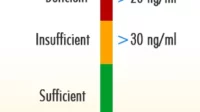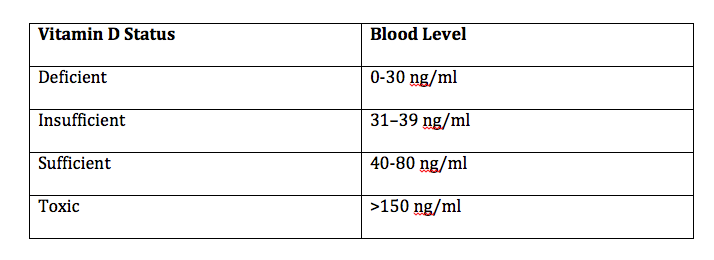
There’s a peculiar kind of quiet that settles over people when they finally understand their numbers. A vitamin D blood level—measured in ng/mL—can feel abstract at first, almost like a dashboard light. Then mood begins to change. Not dramatically in an instant, but in a steady rebalancing of the nervous system’s baseline. Many people notice that when vitamin D hovers in the “optimal” zone of 50–80 ng/mL, their emotional weather becomes less volatile. This is not about chasing a trend. It’s about mood stability—an interplay of biology, brain chemistry, and the body’s tendency to reach for equilibrium.
Why “Optimal” Vitamin D for Mood Feels Personal
A common observation is that vitamin D guidance is discussed as though it were one-size-fits-all. Yet mood is not one-note. Some people feel foggy, others feel irritable, and still others experience that low-grade anxiety that seems to live behind the eyes. The fascination with a target range of 50–80 ng/mL comes from how often the story converges: better steadiness, fewer emotional dips, and a sense that the mind can “hold itself together” under stress.
In practical terms, mood stability is rarely just one pathway. It’s a symphony—hormones, neurotransmitters, immune signaling, sleep architecture. Vitamin D acts like a conductor that influences multiple instruments at once. When levels are insufficient, the conductor may be underpowered. When levels are within an evidence-aligned optimal band, coordination can improve.

What 50–80 ng/mL Suggests About Brain Chemistry
To understand the appeal of the 50–80 ng/mL range, it helps to think beyond “vitamin” and toward “regulator.” Vitamin D is involved in cellular signaling that touches brain function. It can affect the expression of genes related to neuronal health and synaptic plasticity—those quiet mechanisms that determine how easily the brain shifts out of a negative loop.
Mood stability often depends on balance between excitatory and inhibitory influences in neural circuits. Vitamin D appears to support the conditions that help the brain maintain that balance. When the brain lacks certain regulatory inputs, emotional responses can become exaggerated. You may notice faster escalation—minor stressors turning into disproportionate internal reactions.
With levels nearer to 50–80 ng/mL, some people describe a subtle but persistent change: less reactivity, improved resilience, and a calmer “floor” underneath daily life. That’s not mere optimism. It’s the kind of neurological coherence that can follow when the body has enough building blocks and signaling competence to regulate itself.
The Common Pattern: Low Levels, High Emotional Noise
A widespread observation is that individuals with lower vitamin D frequently report mood symptoms more intensely—fatigue, low motivation, irritability, and emotional heaviness. These patterns often intensify during seasons with less sunlight, and in people who spend more time indoors. There’s a reason this is so recognizable: vitamin D production is strongly tied to sun exposure, and modern life has a way of dimming that exposure without anyone noticing.
What makes this compelling is the way it mirrors human physiology’s tendency toward “minimum viable input.” If vitamin D is below the optimal range, the body may prioritize essential functions, while mood-regulating pathways get less bandwidth. Emotional regulation is not an afterthought—it’s metabolically expensive in its own way. When resources are constrained, stability may erode.
Then comes the deeper fascination: the body’s feedback loops can be surprisingly responsive. Correct the underlying deficiency, and the nervous system may stop improvising with less favorable settings.
Deeper Reasons Vitamin D Can Affect Stability
Vitamin D’s influence on mood is not a single linear story. It seems to intersect with several systems that collectively shape emotional experience:
Immune signaling: Inflammation and mood are entangled. Immune mediators can influence neurotransmitter pathways and fatigue perception. Vitamin D appears to help modulate immune activity, potentially lowering inflammatory “background hum” that can distort mood.
Neurotransmitter regulation: Mood depends on neurotransmitters such as serotonin and dopamine, along with the receptors and enzymes that regulate them. Vitamin D is involved in the cellular environment that supports these regulatory networks.
Stress-response calibration: The stress system (including cortisol rhythms) can become dysregulated when the body is missing critical micronutrients. When vitamin D is in an optimal range, the body may handle stress more gracefully—less spiraling, fewer exaggerated reactions.
Sleep and circadian rhythm: Sleep is the emotional stabilization engine for many people. Even a small improvement in sleep consistency can ripple into mood. Vitamin D may contribute indirectly by supporting broader circadian physiology and overall vitality.
These are not isolated facts. They are interconnected dominoes. Mood stability tends to improve when multiple dominoes fall into the same favorable direction.
How to Approach Testing and Targeting Your Level
For someone trying to stabilize mood through vitamin D, testing is not a formality—it’s a compass. Blood levels can vary widely depending on sun exposure, skin tone, geographic latitude, time spent indoors, diet, and genetics affecting vitamin D metabolism.
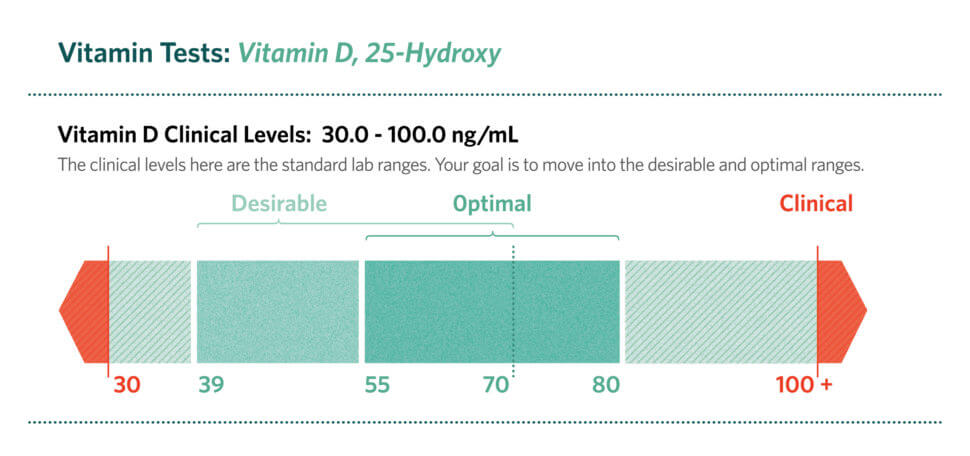
When aiming for 50–80 ng/mL, the most sensible approach is thoughtful titration rather than guessing. Some people begin with a conservative dose, then recheck levels after a period that allows the body to equilibrate. The goal is to reach the range smoothly, avoiding extremes.
What to Watch For: Safety, Overshooting, and Individual Variability
Even when the target range is compelling, caution matters. Vitamin D is fat-soluble, meaning it can accumulate if dosing is excessive. Many people get enthusiastic and overshoot, especially when they assume “more is better.” Mood stability is rarely improved by pushing far beyond optimal levels.
Symptoms of excessive vitamin D activity can be subtle early on—fatigue, thirst, frequent urination, and in more serious cases, calcium-related complications. That’s why responsible monitoring is essential. The blood level is the headline, but supporting markers can help confirm the system is functioning correctly.
Also, individual variability is real. Two people can both hit the same ng/mL number and experience different mood outcomes, influenced by magnesium status, baseline inflammation, thyroid function, medication interactions, and lifestyle factors such as light exposure and exercise. Vitamin D can be a strong stabilizer, but it does not live in a vacuum.
Pairing Vitamin D With Lifestyle for a Stronger Mood Floor
If vitamin D is one ingredient in mood stability, lifestyle is the kitchen. Sunlight exposure, when safe and appropriate, supports natural vitamin D physiology. Outdoor time also tends to improve circadian alignment and reduce melatonin drift.
Nutrition also matters. Diets that support magnesium, omega-3 fats, and adequate protein can make supplementation work more elegantly. Sleep routine is another keystone. Mood stability often follows when you protect the nightly rhythm—consistent wake times, reduced late-night light, and a wind-down ritual that signals safety to the nervous system.
Finally, movement counts. Exercise influences neurotransmitter signaling, inflammation, and stress resilience. Even modest activity can complement the biological groundwork that vitamin D helps establish.
Closing Perspective: Why the 50–80 ng/mL Range Captures Attention
The attraction to the 50–80 ng/mL vitamin D target for mood stability is easy to understand once you view it as more than a number. It’s a band associated with better emotional steadiness for many people, a practical compromise between theoretical ideal and real-life biology. It hints at the deeper truth that mood is regulated by interlocking systems, not by willpower alone.
When vitamin D rises into an optimal zone, some individuals feel their internal world quiet down. The mind stops sounding so many alarms. The emotional noise becomes less intrusive. And what once felt unpredictable starts to feel—if not effortless—then at least more governable.
In the end, mood stability is a kind of alignment. Vitamin D at 50–80 ng/mL can be one of the levers that helps that alignment happen, gently and repeatedly, day after day.