There’s a quiet molecule doing loud work beneath the surface of childhood health: vitamin D. It’s often introduced as a “bone vitamin,” but that label feels like a placeholder. In the immune landscape of a growing child, vitamin D behaves more like a conductor—subtly shaping signals, tuning responses, and nudging the body away from allergic exuberance. What if the story of childhood allergies isn’t only about genes and neighborhood dust, but also about the lighting our bodies have learned to crave?
A Shift in Perspective: From Sunlight to Immune Signaling
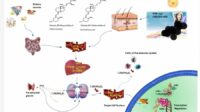
For years, vitamin D has been discussed in practical, familiar terms—sun exposure, supplements, and measurable blood levels. Yet the deeper narrative is biological and surprisingly intimate. Vitamin D is synthesized and then transformed into an active form that can enter cells and influence gene expression. In plain language: it doesn’t merely support the skeleton; it participates in immune governance.
Allergies are rarely one single event. They are the outcome of a chain reaction—immune cells deciding that harmless substances are threats, followed by inflammation that can linger. Vitamin D appears to influence that decision-making process. It may encourage more balanced immune responses and help reduce the tendency toward overreaction.
This reframing is not a small detail—it’s the beginning of a new curiosity. If vitamin D helps steer immune tone, then “low vitamin D” may be less a personal inconvenience and more a plausible contributor to allergic risk.
The Immune System’s “Tuning Fork”: How Vitamin D May Influence Allergy Risk
Imagine the immune system as an orchestra. In allergy-prone conditions, the performance can drift—some pathways become too loud, too persistent. Vitamin D seems to act as a tuning fork for immune regulation. Research discussions often highlight effects on both innate defenses and adaptive responses.
Key themes include modulation of inflammatory messaging and regulation of immune cell behavior. Vitamin D may shift inflammatory pathways away from a chronic, allergic pattern. It also has a relationship with tolerance—an essential concept in allergy prevention. Tolerance is the capacity to ignore the harmless while responding appropriately to danger.
When vitamin D is insufficient, the immune system may be more likely to default toward a hyperreactive stance. The result can be a higher likelihood of allergic sensitization, and later, clinical allergy manifestations such as eczema flares, wheezing episodes, or allergic rhinitis.
Early Life Matters: Why Childhood Timing Can’t Be Ignored
Allergies don’t always arrive with dramatic announcements. Often, they begin as subtle changes—skin reactivity, intermittent congestion, or early cough with triggers. The period of early life is a particularly influential window because immune development is still under construction.
During infancy and early childhood, the immune system learns what to treat as friend and what to treat as foe. Environmental exposures—food antigens, respiratory viruses, microbial diversity—enter the scene, and immune education becomes a moving target. If vitamin D status is low during this formative phase, the “training” may tilt toward vulnerability.
Here’s where perspective can shift again: rather than waiting for allergies to appear and then reacting, prevention asks a different question. What can be optimized before the immune system is fully committed to a misinterpretation of the world?
Eczema, Wheeze, and the Allergy Web: Connecting Symptoms to Mechanisms
Childhood allergies rarely travel alone. Eczema can be a first chapter; later, some children experience asthma-like symptoms or allergic rhinitis. This overlapping constellation is often described as an “atopic trajectory.” Vitamin D may intersect with this trajectory at multiple points.
Eczema represents barrier dysfunction and immune activation occurring simultaneously. A fragile barrier can allow irritants and allergens to trigger immune attention. Vitamin D’s immune-modulatory role may help dampen downstream inflammation. Additionally, vitamin D’s broader effects on cell function may indirectly support healthier skin ecology.
For wheezing and respiratory allergies, the story expands to include airway inflammation. When the airways are inflamed, they become more sensitive. Vitamin D is discussed as a factor that could influence inflammatory tone and immune balance in the respiratory tract.
The practical curiosity is compelling: if vitamin D helps manage inflammation, then consistent adequacy might act as a quiet protective buffer across different allergy expressions.
Microbiome Curiosity: Vitamin D as an Indirect Ally
There’s a growing sense that the microbiome—our microbial companions—plays a meaningful role in immune calibration. When microbial communities are imbalanced, immune training may drift. Vitamin D doesn’t just act directly; it may also influence microbial environments and immune interactions.
This is where the plot thickens. Children don’t experience allergies in isolation; they live alongside microbes shaped by diet, geography, hygiene practices, and early exposures. Vitamin D may contribute to a milieu where immune responses are less likely to escalate.
It’s not a simplistic one-to-one relationship. Biology seldom behaves like that. Instead, vitamin D might be one thread in a tapestry of influences—nudging, supporting, and shaping rather than delivering a single guaranteed outcome.

Vitamin D Supplementation: Promise and the Importance of Nuance
When families hear “supplementation,” they may imagine a straightforward switch. But the reality is more nuanced. Vitamin D supplementation aims to correct deficiency and support sufficiency—yet the optimal approach depends on age, baseline levels, diet, sunlight exposure, and medical context.
Promise exists, particularly in preventive framing. Several discussions in pediatric allergy literature explore whether maintaining adequate vitamin D during childhood could reduce the likelihood of allergic diseases or delay their emergence. Importantly, prevention doesn’t mean certainty. It means probability shifts—subtle but potentially meaningful.
Another nuance: too much vitamin D can be harmful. That’s why clinical guidance matters, and measurement can transform guesswork into strategy. Thinking of vitamin D like a “nutrient with a feedback loop” may help families appreciate why monitoring and dosing are essential rather than optional.
Who Should Pay Extra Attention? High-Risk Circumstances
Not all children face the same likelihood of low vitamin D status. Factors such as limited sun exposure, darker skin pigmentation, higher body fat, certain dietary patterns, and geographic latitude can increase risk of insufficiency.
Children with a personal or family history of atopic conditions may also deserve heightened attention. This isn’t fear-mongering; it’s risk awareness—an anticipatory approach that treats prevention like a form of care rather than a hopeful gamble.
Consider the long view: improving vitamin D adequacy may contribute not only to allergy prevention but also to general immune resilience and skeletal health. That dual utility makes the discussion more grounded than it might appear at first glance.
Dietary Pathways and Sunlight: Practical Strategies Without Mythology
Vitamin D can be acquired through food and sunlight, but both routes have complexities. Dietary sources exist—fatty fish, fortified dairy, and some fortified products—yet food alone may not meet needs for every child.
Sunlight seems simple, until seasons, skin protection habits, air pollution, and cloud cover complicate exposure. The goal is not reckless sun seeking. The goal is balanced adequacy—often achieved through a combination of dietary intake, safe sunlight exposure, and supplements when indicated.
This is where myth dissolves. Vitamin D isn’t a magic sunscreen-in-the-body. It’s a nutrient system with timing and thresholds.
Measuring and Monitoring: Turning Uncertainty into Clarity
If prevention is the mission, clarity becomes a tool. Blood tests can estimate vitamin D status, and clinicians can interpret results using age-appropriate reference ranges. Monitoring is particularly relevant for children who begin supplementation, have risk factors for deficiency, or have conditions that could affect metabolism or absorption.
Families sometimes ask: “How do we know what works?” Measurement is how. It allows adjustment before deficiency deepens and before dosing becomes an ongoing guess.
In the landscape of allergy prevention, this evidence-oriented stance can feel empowering. It turns a vague wellness aspiration into an actionable plan.
Beyond One Nutrient: The Preventive Lifestyle Constellation
Vitamin D is not a standalone solution. Allergies are influenced by genetics, early exposures, viral patterns, diet quality, environmental allergens, and skin barrier integrity. Still, vitamin D’s immune regulatory role makes it a plausible piece of the preventive constellation.
A comprehensive approach might include nurturing skin hydration habits, supporting breastfeeding when possible, ensuring nutrition is adequate, and maintaining routine pediatric care. These are not separate quests; they reinforce each other.
When families adopt a constellation mindset, vitamin D becomes a guiding star rather than a lone compass—helping the immune system remain steady while other protective behaviors reduce triggers and strengthen resilience.
A Forward-Looking Curiosity: What Prevention Could Feel Like
Imagine a childhood where eczema doesn’t insist on early attendance, where wheezing doesn’t become a recurring subplot, where runny noses aren’t always the price of being outside. Prevention doesn’t promise that scenario for every child—but it invites a more optimistic question: can earlier immune support reduce the odds of allergic disease?
Vitamin D sits at the intersection of physiology and possibility. It influences immune signaling, aligns with early developmental timing, and offers a modifiable target for families and clinicians. The most interesting part isn’t just that vitamin D might help. It’s that the conversation about allergies can widen—moving from reactive management to proactive, informed care.
And once the perspective shifts, the curiosity deepens: what other “quiet nutrients” are quietly training the immune system? The answer may not be one nutrient at all. It may be an evolving pattern of prevention, assembled thoughtfully—vitamin D included.