Vitamin D has moved from the margins of general wellness into the center of an urgent public-health conversation. During the COVID-19 era, scientists asked a deceptively simple question: could the level of this “sunshine vitamin” meaningfully change the risk of infection, the severity of illness, or the likelihood of recovery? The research landscape is not a single, uniform story. Instead, it is a mosaic—randomized trials, observational studies, mechanistic experiments, and meta-analytic syntheses—each contributing a different lens on how vitamin D may modulate the immune system.
Why Vitamin D Became a Candidate for COVID-19 Protection
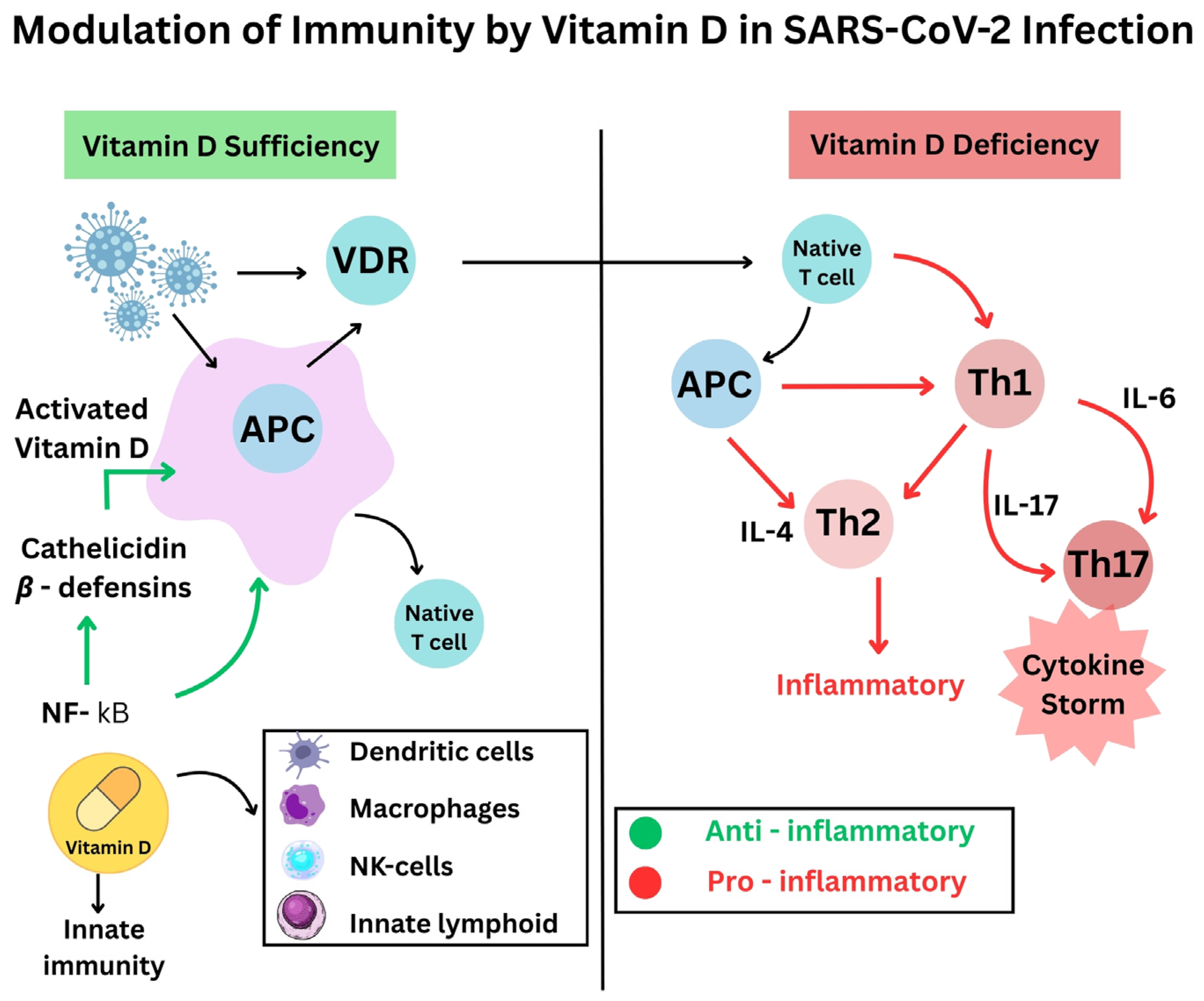
Vitamin D is not merely a nutrient. It behaves more like a hormonal regulator that helps orchestrate innate and adaptive immune responses. When vitamin D status is adequate, immune cells may respond with better synchrony—producing fewer reckless inflammatory surges while still maintaining sufficient antiviral readiness.
In the context of respiratory viruses, this balancing act is crucial. Severe COVID-19 often features dysregulated inflammation. A biologically plausible hypothesis emerged: if vitamin D deficiency is common—especially in higher latitudes, darker skin tones, older age groups, and people with limited sun exposure—then correcting deficiency might improve immune “readiness,” possibly lowering susceptibility to infection and mitigating worst-case outcomes.
Yet plausibility does not guarantee clinical benefit. Some studies find strong associations; others show modest or null effects. Understanding why the evidence diverges requires a tour through the different kinds of research content readers will encounter.
What Different Studies Tend to Measure (and Why It Matters)
Readers will see vitamin D quantified in several ways. Most commonly, blood levels of 25-hydroxyvitamin D (25(OH)D) serve as the standard marker of vitamin D status. Researchers then categorize participants into ranges: deficient, insufficient, or sufficient—thresholds that vary across studies.
In randomized controlled trials (RCTs), the “intervention” is typically vitamin D supplementation. Dosing strategies vary widely: daily, weekly, or bolus regimens; different total doses; and different participant baselines. That heterogeneity can blur conclusions. In observational studies, investigators examine natural vitamin D variation and correlate it with COVID-19 outcomes such as infection rates, hospitalization, intensive care admission, or mortality.
A key content theme is causality. Observational research can reveal patterns but cannot fully disentangle confounding factors—like socioeconomic status, comorbidities, body mass index, health behaviors, and access to healthcare. RCTs are designed to address causality, yet they also face their own challenges, including timing of supplementation relative to infection and adherence.
Levels and Thresholds: The “Sweet Spot” Question
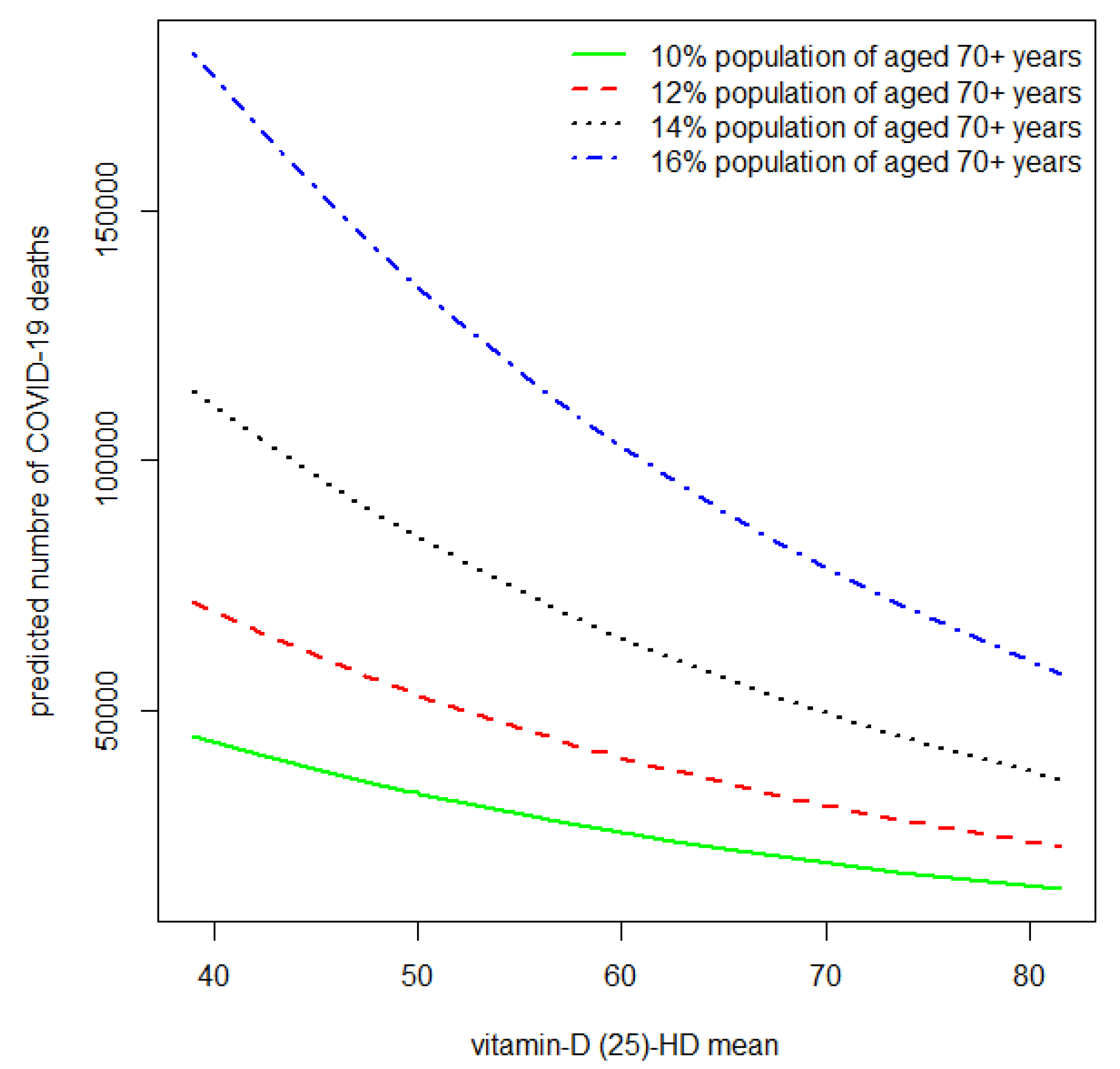
One of the most compelling reader-facing topics is whether there is a protective vitamin D “sweet spot.” Many analyses suggest a non-linear relationship: very low vitamin D is linked to poorer outcomes, and increasing levels may confer incremental benefits until a plateau is reached.
But the exact threshold remains contested. Some studies emphasize that deficiency is the key driver, implying that supplementation benefits are strongest in those who start low. Others report that even “insufficient” levels might be relevant. A few analyses argue for diminishing returns—meaning that raising vitamin D from already adequate levels might not translate into meaningful clinical advantage.
This nuance is especially important for interpreting charts and subgroup results. Readers should watch for discussions about baseline serum levels and whether the study design targets those most at risk of deficiency.
Does Vitamin D Reduce Infection, or Mainly Severity?
Another recurring narrative thread concerns the outcome type. Some researchers focus on whether vitamin D lowers the probability of catching COVID-19 at all. Others examine severity endpoints: hospitalization, oxygen requirement, ICU admission, and death.
Across the literature, the most persuasive signals often appear stronger for severity-related outcomes than for infection itself. Why might that be? One possibility is that vitamin D’s immune-regulatory effects may be most relevant once the immune system is already engaged—when cytokine signaling, antimicrobial peptide production, and epithelial barrier function become decisive.
Readers may encounter language such as “immunomodulation” and “anti-inflammatory tempering.” These terms describe a hypothesized mechanism: vitamin D helps steer immune responses away from catastrophic overshooting.
Randomized Trial Evidence: Mixed Results, Coherent Lessons
Randomized evidence tends to be the backbone of clinical persuasion, but it rarely arrives as a single verdict. Trials differ in eligibility criteria, geographic location, baseline deficiency prevalence, and the timing of supplementation.
Some RCTs suggest that supplementation may reduce adverse outcomes, particularly among participants with low initial vitamin D. Others find no statistically significant benefit. A careful reader will notice that negative studies are not necessarily “proof of ineffectiveness.” They may reflect that participants were already sufficient, doses were too small, or follow-up windows did not align with infection timing.
When meta-analyses combine results, they often attempt to standardize the picture. Readers should expect discussions about heterogeneity—why effect sizes vary—and about whether confidence intervals overlap meaningfully across studies.
Observational Findings: Patterns in Real-World Data
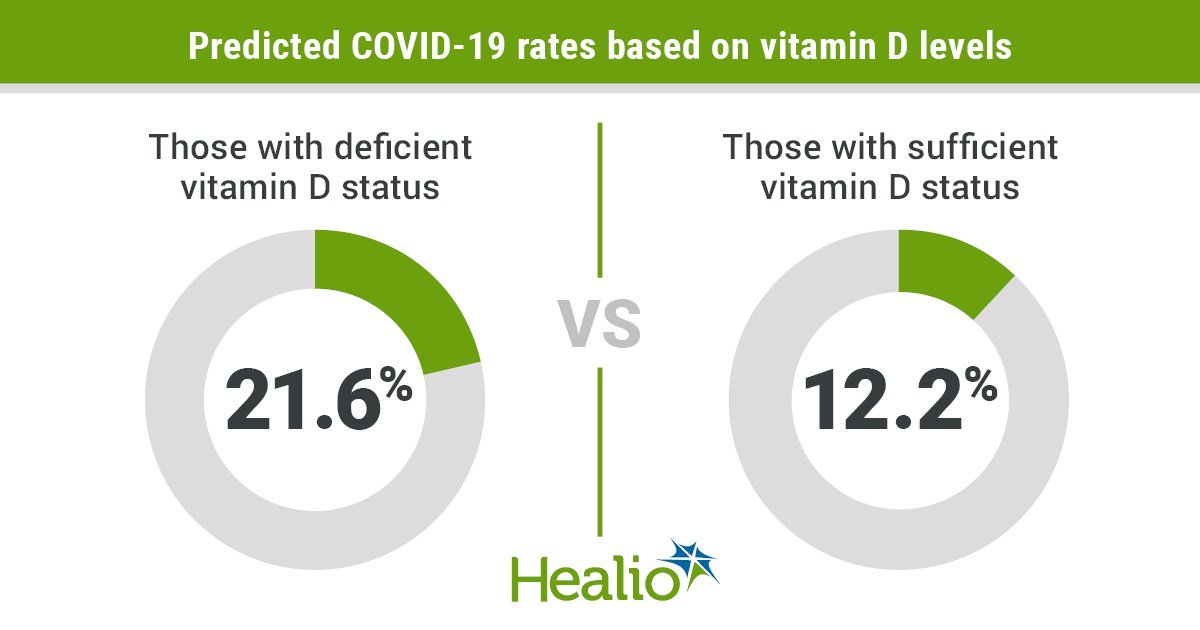
Observational studies can be striking. When researchers compare average vitamin D levels among people who experience COVID-19 mortality versus those who recover, a gradient often appears: lower vitamin D status aligns with higher risk.
However, observational work invites skepticism in a productive way. Vitamin D level can proxy for broader determinants—outdoor activity, nutritional patterns, chronic disease burden, and general health literacy. These correlates can also influence COVID-19 outcomes, making it difficult to isolate vitamin D’s independent role.
Still, observational evidence remains clinically provocative. It highlights a potentially actionable vulnerability—vitamin D insufficiency—that many health systems can address through screening and supplementation strategies.
Biological Plausibility: Immunology, Not Mere Association
Mechanistic research lends a “why” to the “what.” Vitamin D interacts with immune pathways that influence both innate defenses and adaptive immunity. In simplified terms, it supports a more calibrated response—enhancing antiviral readiness while potentially lowering the likelihood of excessive inflammation.
Readers may encounter descriptions of antimicrobial peptides, such as cathelicidin, and discussions about how vitamin D can influence the expression of immune mediators. These pathways are not exclusive to COVID-19, but they are relevant to respiratory infections more broadly.
One persuasive concept is that vitamin D may affect the integrity of epithelial surfaces lining the airways. That barrier function can become a frontline defense, especially during early viral exposure.
Who Might Benefit Most: High-Risk Subgroups
Evidence frequently converges on the idea that not all vitamin D recipients are equal. People most likely to benefit are those with low baseline levels, limited sun exposure, older age, higher BMI, dark skin pigmentation in low-UV regions, and those living in settings where deficiency is common.
Some analyses explicitly discuss effect modification—meaning the effect of supplementation differs across subgroups. Readers should look for language such as “interaction,” “baseline deficiency,” or “stratified results.” These indicate whether the study’s conclusions hold across diverse participant categories.
Another important subgroup is timing. Supplementation before infection may function differently than supplementation after symptoms begin. Many outcomes depend on when the immune system is already activated and whether vitamin D status can meaningfully shift within that window.
How Dosing and Formulations Shape Outcomes
Supplementation is not monolithic. Dose magnitude, frequency, and formulation can influence serum response and, by extension, biological effect.
Daily low-dose regimens may produce steadier levels. Weekly or bolus approaches can yield different peaks and troughs. Some studies examine loading strategies, attempting to correct deficiency quickly. Readers may also see discussion about adherence and dropout—factors that can dilute real-world effectiveness.
Beyond dosing, the safety profile matters. Vitamin D is fat-soluble; excessive intake can cause hypercalcemia. Therefore, research content often includes attention to maintaining dosing within clinically reasonable limits, especially when long-term supplementation is considered.
Safety, Monitoring, and Practical Guidance
Even when interest is high, responsible interpretation is essential. Vitamin D is widely available, and that availability can tempt people into unsupervised dosing. The research record, however, underscores that deficiency correction should ideally be guided by measurement—at least when risk is elevated.
Content readers may encounter recommendations such as checking 25(OH)D levels, considering renal function in certain populations, and adjusting dosing based on baseline status. Monitoring is particularly relevant for individuals with conditions that affect calcium metabolism or those taking medications that interact with vitamin D.
A nuanced narrative is emerging: vitamin D supplementation is most defensible as a deficiency-correction strategy rather than a universal, one-size-fits-all antiviral shield.
What the Evidence Commonly Concludes—and What Remains Uncertain
After sifting through diverse content types—trial results, cohort associations, mechanistic explanations, and pooled estimates—many conclusions cluster around three points. First, vitamin D deficiency appears frequently in populations at risk for severe disease. Second, supplementation may improve outcomes in those who start low, although results vary depending on study design. Third, the role of vitamin D may be more pronounced in severity prevention than in preventing infection entirely.
Uncertainty persists around the precise thresholds for protection, the optimal dosing strategy, and the most effective timing relative to exposure. Another unresolved issue is how vitamin D interacts with other determinants of immune health—nutrition, comorbidities, vaccination status, and emerging variants.
Still, the overall narrative is actionable. Research consistently suggests that inadequate vitamin D is not a trivial finding. It is a modifiable factor that may support immune resilience, particularly when deficiency is addressed thoughtfully and safely.
How Readers Can Use This Research in Real Life
For readers who want to convert information into decisions, the most pragmatic approach is to treat vitamin D as part of a broader risk-reduction strategy: nutrition, physical activity, vaccination, and appropriate medical care. Vitamin D supplementation can be considered a targeted intervention—especially for those with low baseline levels or limited sun exposure.
When interpreting research, pay attention to study design, participant baseline status, outcome definitions, and dosing protocols. Short sentences can be clarifying: “Baseline matters.” “Timing matters.” “Severity endpoints may be more informative than infection endpoints.” Long sentences can also help connect threads: “When supplementation trials include participants who are already sufficient, the statistical signal may weaken even if biological effects exist.”
In the end, the story of vitamin D and COVID-19 protection is best understood as an evolving dialogue between immunology and clinical outcomes—one where deficiency correction may offer a meaningful, if not magical, layer of defense.