Have you ever noticed how your mood can feel bright one day and oddly sluggish the next—like someone dimmed the lights from the inside? Now imagine a tiny, invisible triangle inside your biology: vitamin D, magnesium, and mood. When the lines between these three elements wobble, your emotional weather can change. The intriguing part? This isn’t just “feelings.” It’s biochemistry with a pulse, and it may be influenced by the nutrients you routinely—or accidentally—neglect.
The Mood Triangle: Why These Three Are Linked
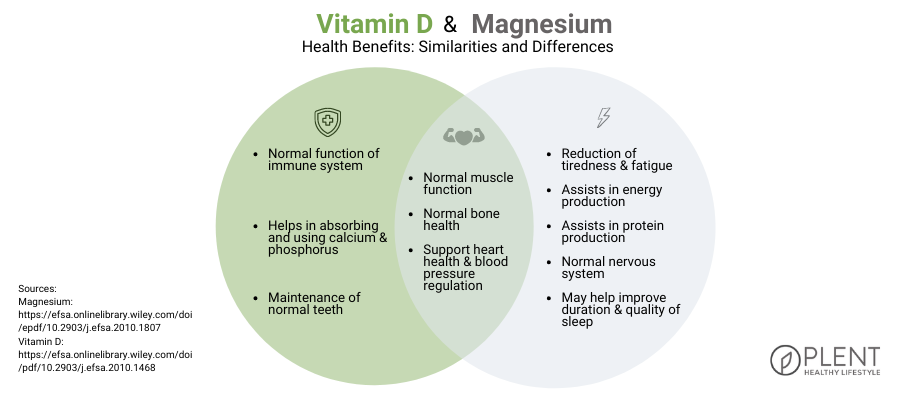
The phrase “mood triangle” isn’t magical; it’s metaphorical. But the science behind it is concrete. Vitamin D acts like a hormonal regulator—less “vitamin” and more “signal dispatcher.” It participates in brain function and nervous system modulation, helping set the tempo for processes connected to mood. Magnesium, meanwhile, is the body’s multitasker: involved in nerve signaling, energy metabolism, and the calming “brakes” that help your nervous system avoid overstimulation.
When both nutrients are insufficient, mood regulation can become harder. Short sentences hit the nervous system quickly: low vitamin D can shift signaling pathways, and low magnesium can make stress feel louder. Together, they can nudge the brain toward irritability, low motivation, or that heavy, winter-sounding fog.
So here’s a playful question: What if your mood swings are not dramatic stories, but nutritional paperwork? It may sound whimsical, yet it can be surprisingly actionable.

Vitamin D: The Sun-Derived Signal That Reaches the Brain
Vitamin D is often associated with bones, and rightly so. But the brain is not an isolated island; it’s wired into the body’s endocrine messages. Vitamin D receptors are present in brain tissue, and vitamin D influences neurotransmitter pathways—chemical couriers that help determine how you experience emotion.
Low vitamin D status is frequently discussed alongside depressive symptoms, especially during months when sunlight is scarce. Yet the nuance matters: it’s not that vitamin D is a sole cure. It’s that vitamin D can help create an internal environment where mood-regulating systems function more smoothly.
Winter can add friction. Less daylight can mean less vitamin D production. Meanwhile, fewer outdoor hours can also reduce overall activity, alter sleep timing, and influence circadian rhythms. The result is a cascade: a change in light exposure can become a change in brain chemistry—and then a change in mood.
Long story, short plot: vitamin D may be one of the background conductors keeping the emotional orchestra in tune.
Magnesium: The Nervous System’s Pressure-Relief Valve
Magnesium is frequently misunderstood as “just a mineral.” It is more like a regulator with many hands on the dials. It helps manage nerve impulse transmission and supports the balance between excitatory and inhibitory signals. In simpler terms, magnesium can help prevent your nervous system from running too hot.
When magnesium is low, stress can feel amplified. That’s not a poetic statement—it’s a physiological plausibility. Magnesium participates in energy production, and when energy metabolism is less efficient, fatigue can creep in. Fatigue isn’t only tiredness; it can also resemble emotional flattening.
Magnesium is also involved in muscle relaxation and sleep quality support. Sleep is the “mood editor.” Without enough restorative sleep, your emotional responses become less filtered, more reactive, and less resilient.
Try this small mental experiment: notice whether your stress feels “sticky” rather than fleeting. Sticky stress often pairs with nutrient gaps that affect neurotransmission and relaxation pathways.

How They Work Together: Crosstalk, Not Coincidence
Vitamin D and magnesium are not isolated performers. There’s crosstalk—meaning they influence each other’s function. Magnesium is important for vitamin D metabolism, including steps that help the body activate and use vitamin D effectively. If magnesium status is insufficient, the vitamin D signal may be less efficient, like trying to turn up the volume without enough power to drive the amplifier.
This is where the triangle becomes more than a metaphor. If you increase vitamin D without addressing magnesium, some people may not feel the expected benefit. On the other hand, magnesium alone may not fully compensate for low vitamin D—especially when mood symptoms are linked to reduced daylight exposure.
Here’s the potential challenge: the “single-nutrient trap.” It’s tempting to focus on only one lever—sunlight, supplements, or diet—while ignoring the supporting structure. But mood is a network outcome. Nutrients function like components in a circuit; change one without checking the others and the system may not respond as intended.
Common Mood Patterns That Hint at the Triangle
Mood is subjective, yet patterns can be recognizable. Some people experience more irritability, reduced patience, and emotional “snappiness.” Others feel a quiet heaviness—less sadness, more low drive. There can also be a winter-specific pattern: symptoms intensify during darker months.
Fatigue that doesn’t match effort can also be a clue. If you’ve been sleeping but still feel drained, or if anxiety feels more frequent, magnesium and vitamin D status may be worth examining.
Consider your routines too. If your diet is light on magnesium-rich foods—like nuts, seeds, legumes, leafy greens—your baseline magnesium may be lower than you assume. If daylight exposure is limited, vitamin D production may not keep up with your body’s needs.
None of these are diagnoses. But they can be useful signposts, like noticing that the thermostat runs hotter than usual.
Food, Lifestyle, and the “Triangulation Strategy”
You can think of a triangulation strategy as aligning three pillars: nutrient intake, nervous system support, and daylight rhythms. Start with diet. Magnesium tends to be more available in whole foods: pumpkin seeds, almonds, black beans, spinach, and dark leafy greens. Vitamin D is harder to obtain from food alone in many diets, but it can come from fatty fish and fortified options. Supplements are another route for some people, especially in low-sun environments.
Lifestyle matters, too. Gentle movement—walks, stretching, even slow strength work—supports circulation and can indirectly support mood. Sleep timing is crucial. A consistent schedule can reduce emotional volatility and improve resilience.
Then comes daylight: try to get outdoor light earlier in the day when possible. It can help set circadian timing, which influences hormone release and neurotransmitter rhythms.
Short sentence, strong idea: Feed the triangle, regulate the rhythm, and let your system breathe.
When to Consider Testing or Professional Guidance
If mood changes persist, it may be wise to discuss testing for vitamin D status with a healthcare professional. For magnesium, blood tests can be trickier because serum magnesium isn’t always a perfect proxy for total body stores. Still, clinicians can interpret symptoms alongside labs and overall context.
Also, some people may have conditions or medications that affect nutrient status. Kidney function, gastrointestinal issues, and certain drug interactions can alter magnesium balance and vitamin D handling.
Here’s an important question to take seriously: Are you chasing mood relief without addressing underlying physiology? That doesn’t mean ignoring mental health support. It means integrating nutritional awareness with appropriate care.
Closing the Loop: A Mood Triangle That Feels Practical
The vitamin D–magnesium–mood triangle is not a single miracle lever. It’s an ecosystem. Vitamin D can influence brain signaling. Magnesium can reduce nervous system noise and support energy and sleep. Together, they may help your emotional baseline feel steadier.
So the triangle ends with a decision point: experiment thoughtfully, observe patterns, and consider support that matches your physiology. Mood shifts can be complex, but nutrition can be a measurable place to begin.
If you want a playful challenge to carry forward: Pick one week and commit to alignment—daylight exposure, magnesium-rich meals, and mindful hydration. Then notice what changes in your mood and energy. Not instantly. Not perfectly. But genuinely.