What if your bones could send you a gentle alarm before they thin out—would you recognise the signal in time? Osteopenia can feel like a quiet prelude to something more serious, and vitamin D often plays the unsung role of the stage manager. It helps your body absorb calcium, supports bone remodeling, and may help slow the downward drift of bone density. But there’s a catch: getting enough vitamin D is rarely as simple as “take a pill and forget it.” So let’s walk through the logic of vitamin D for osteopenia—thoughtfully, playfully, and with practical clarity.
Osteopenia, Bone Thinning, and the Role of Vitamin D
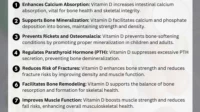
Osteopenia means your bone mineral density is lower than ideal, but it’s not yet osteoporosis. Think of bones like a library: they’re not “gone,” but some shelves are less stocked. Over time, if the balance tips toward loss rather than renewal, fracture risk increases. Vitamin D enters the story because it governs the calcium–bone feedback loop. Without adequate vitamin D, calcium absorption in the gut can be inefficient, and the body may compensate by drawing calcium from bone. That’s not drama—it’s physiology.
Vitamin D also participates in bone remodeling, influencing the activity of osteoblasts (bone-building cells) and osteoclasts (bone-resorbing cells). When vitamin D levels are suboptimal, the remodeling process can become skewed. Short version: vitamin D helps keep the “construction materials” and the “maintenance crew” aligned.

A Playful Question: Why Does Sunlight Feel Like a Strategy, Yet Still Fail?
Here’s the question that deserves a grin: why does sunlight—something nature provides so generously—sometimes fail to deliver reliable vitamin D?
Several realities interfere. Cloud cover can blunt ultraviolet B rays. Seasonal changes matter. Skin pigmentation affects how vitamin D is synthesized. Sunscreen helps prevent skin damage, but it also reduces vitamin D production when used heavily. And then there’s modern life: working indoors, wearing protective clothing, and spending less time outside.
Even when sunlight exposure exists, it may be inconsistent. Your vitamin D status can be like a budget—some months look fine, then winter arrives and suddenly the balance is low. Osteopenia doesn’t pause for convenience, so planning matters.

The Potential Challenge: Testing First, Guessing Later
Vitamin D has a special property: too little can impair calcium absorption, yet “more” isn’t always better. That’s why testing can be a sensible checkpoint rather than a bureaucratic chore. The typical blood measure is 25-hydroxyvitamin D, often written as 25(OH)D. It provides a snapshot of vitamin D stores.
Without testing, people can accidentally under-dose or over-dose. Under-dosing may do little, while excessive intake over long periods could contribute to hypercalcemia, leading to symptoms like nausea, constipation, confusion, or kidney complications. This isn’t to scare anyone—it’s to highlight the usefulness of numbers. Bones respond to structure, and vitamin D management benefits from measurement.
How Much Vitamin D? Turning Recommendations into a Practical Plan
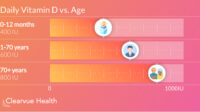
Guidelines vary by age, baseline deficiency, and overall health. But most strategies revolve around two steps: (1) correct low levels, then (2) maintain them. If vitamin D levels are deficient, clinicians may recommend higher short-term dosing before switching to a maintenance amount.
It helps to view vitamin D as a “baseline” nutrient, not a seasonal wish. Consistency often beats intensity. For instance, a daily or weekly regimen may be more stable than sporadic “big doses,” depending on individual circumstances and medical advice.
Also remember: vitamin D works alongside calcium. If calcium intake is inadequate, vitamin D may not be fully effective. The most successful approach is often the quiet combination—adequate calcium, adequate vitamin D, and a body that can use them efficiently.
Calcium + Vitamin D: The Dynamic Duo for Bone Integrity
Calcium provides the raw material. Vitamin D helps you absorb it. When either ingredient is missing, the process can wobble. For people with osteopenia, balancing diet and supplementation can be a strategic way to support bone health.
Dietary calcium sources—dairy products, fortified plant milks, leafy greens, and certain fish—can contribute steadily. Supplements may fill gaps, especially when appetite, dietary preferences, or digestion makes consistent calcium intake harder.
It’s also useful to consider timing. Calcium supplements are sometimes absorbed best when split into smaller doses, especially at higher totals. Vitamin D can be paired with a meal containing fat, since it’s a fat-soluble vitamin. These details sound fussy, but fussy is often where efficacy lives.

Forms of Vitamin D: Dosing Nuances That Matter
Vitamin D comes mainly as D2 (ergocalciferol) and D3 (cholecalciferol). Many people gravitate toward D3 because of how it’s utilized by the body, but the most important decision should come from a clinician when possible—particularly when correcting deficiency or dealing with complex medical histories.
Beyond type, there are practical differences: capsules, tablets, gummies, and drops. Tolerability and adherence matter. If a form is unpleasant, forgettable, or difficult to take consistently, it won’t support bones the way you intend.
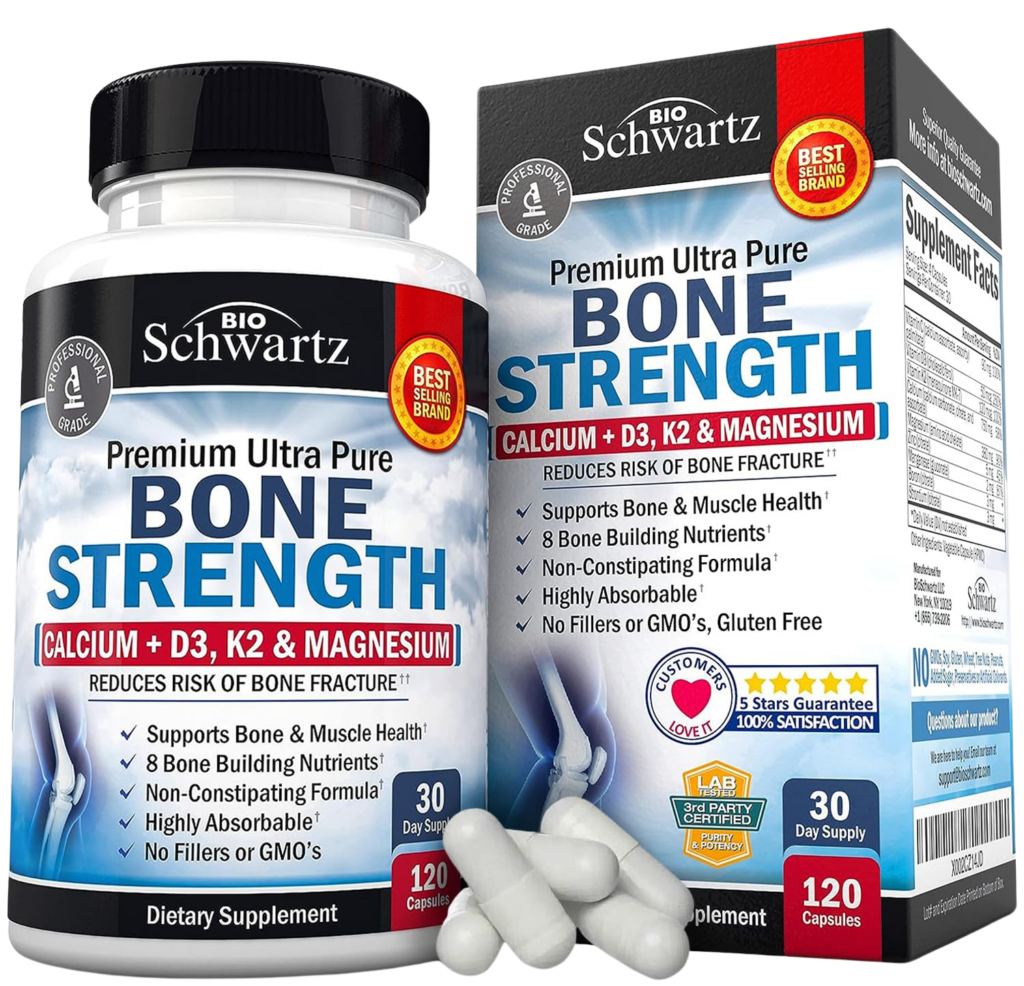
Another nuance is the presence of magnesium and other nutrients that participate in metabolic pathways. While supplementation should not become a scavenger hunt, some formulations include complementary minerals—helpful for some individuals, unnecessary for others depending on diet and labs.
Beyond Supplements: Exercise, Posture, and Bone-Loading Signals
Vitamin D is not a lone hero. Bones respond to mechanical stress—otherwise known as bone loading. Weight-bearing exercises, resistance training, balance work, and posture-strengthening can communicate “build and reinforce” signals to the skeletal system.
This is where osteopenia care becomes surprisingly physical and even empowering. Short sessions can add up. Think brisk walking, stair climbing, gentle strength routines, and balance drills. It’s not about punishing joints—it’s about sending targeted prompts to bone tissue.
And balance matters for safety. Falls are the complication that turns “lower density” into “fracture risk.” Strengthening the muscles around hips, spine, and legs can reduce the chance of a disastrous trip—or a clumsy stumble after a busy day.
Common Misconceptions That Sabotage Progress
One misconception: “If I take vitamin D, I don’t need to worry about calcium.” Not so. Another: “Being out in the sun occasionally is enough for everyone.” Bodies vary, climates vary, and seasons vary. Another: “More is always better.” The body is not a bottomless pantry.
Some people also assume osteopenia has no symptoms. True: many cases are silent. But silence doesn’t mean absence. It means you must rely on screening and proactive habits—vitamin D, calcium, exercise, and risk reduction.
When to Seek Medical Guidance and What to Ask
It’s wise to consult a healthcare professional if you have known vitamin D deficiency, a history of fractures, kidney disease, malabsorption conditions (like celiac disease), or you’re on medications that affect bone and vitamin D metabolism. If you’re older, postmenopausal, or have risk factors such as smoking or long-term steroid use, guidance becomes even more valuable.
Questions to consider: What is my 25(OH)D level? What calcium intake target makes sense for me? Should I adjust vitamin D dosing for a correction phase? Are there medication interactions? If I’m already taking supplements, are my doses safe and appropriate?
These conversations convert uncertainty into a tailored plan—and tailoring is the difference between generic hope and durable improvement.
Stopping Bone Thinning: A Long-Game Mindset
Osteopenia management isn’t a sprint. It’s a long-game that rewards consistency. Vitamin D helps set the biochemical stage for calcium absorption and bone remodeling. But the storyline improves when vitamin D is paired with sufficient calcium, sensible testing, consistent dosing, and bone-loading movement.
So, treat vitamin D like a quiet architect. It may not make headlines like a dramatic intervention, but it supports the structure beneath the surface. And the best part? The plan is often buildable—one meal, one test, one walk, one dose at a time.