Imagine starting Ozempic with optimism—then a strange, creeping fatigue begins to feel less like a side effect and more like a pattern. Your sleep becomes shallow, your energy feels siphoned, and even small tasks demand a larger-than-usual quota of effort. Now picture a second variable in the background, quiet but persistent: low vitamin D. Could it be turning the volume up on “Ozempic fatigue”? The short answer is that it’s plausible. The more useful answer is that there’s also a practical way to correct the conditions that make fatigue feel inevitable.
First, Decode “Ozempic Fatigue” Without Dismissing It
Ozempic (semaglutide) changes appetite, digestion, and metabolic signaling. For many people, the early phase brings nausea, reflux, constipation, or a general sense of sluggishness. “Fatigue” can arrive as a foggy lethargy, a muscle-deep heaviness, or a low-grade exhaustion that persists even after a full night’s rest.
It’s tempting to assume that fatigue simply equals “your dose is too high.” Sometimes that’s true. But fatigue is rarely a single-variable story. It can be amplified by dehydration, reduced food intake, electrolyte imbalance, inconsistent sleep, and—yes—nutrient insufficiency. When the body doesn’t have what it needs to run efficiently, even normal medication effects can feel harsher.
Vitamin D: The Overlooked Regulator, Not Just a “Bone” Vitamin
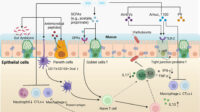
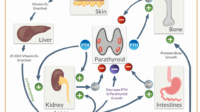
Vitamin D is often treated like an afterthought because its most famous role involves bones and calcium. Yet vitamin D also participates in neuromuscular function, immune modulation, and the regulation of inflammatory pathways. Low vitamin D is associated with symptoms that resemble fatigue: low mood, diminished stamina, generalized aches, and a sense of reduced resilience.
When vitamin D status is suboptimal, the body may struggle to maintain normal muscle function and energy metabolism. Muscles are not passive scaffolding; they are biochemical engines. If those engines run with lower efficiency, fatigue can become more noticeable—especially when appetite and intake are simultaneously shifting due to Ozempic.
Can Low Vitamin D Make Fatigue Worse? The Mechanistic “Why”
Low vitamin D could plausibly worsen Ozempic fatigue through several reinforcing mechanisms.
1) Reduced muscular efficiency. Vitamin D influences muscle fiber performance and neuromuscular coordination. If muscles are already operating with less “electrical stability,” then any additional metabolic stress from medication can feel more draining.
2) Inflammation and immune signaling. Insufficient vitamin D is often linked with elevated inflammatory tone. Even a mild increase can translate into a heavier, slower feeling—an exhaustion that feels systemic rather than purely emotional.
3) Lifestyle convergence. People who are low in vitamin D frequently have less sun exposure, and sometimes less outdoor activity overall. If Ozempic also reduces caloric intake, the margin for error tightens. Suddenly, what was previously manageable becomes noticeable.
Not everyone with low vitamin D experiences severe fatigue. But if your baseline is already tilted, Ozempic can act like a second weight added to the same tired scale.
The “Low Intake” Trap: When Ozempic Reduces More Than Calories
Ozempic often reduces appetite. That’s the goal—but it can create an unintended nutritional narrowing. Fatigue is not only about calories; it’s also about micronutrients that support energy production, muscle function, and oxygen utilization.
Vitamin D isn’t only found in food; it’s also synthesized via sunlight. If dietary sources are inconsistent and sun exposure is low, levels can remain depressed. During early Ozempic therapy, when eating patterns change, any existing deficiency can become more conspicuous.
This is where perspective shifts. Instead of thinking, “My medication is causing everything,” consider, “My body’s inputs may not match my new demands.”
Recognize the Clues: Symptoms That Hint at Vitamin D Insufficiency
Fatigue can be caused by many things, but certain signals increase the odds that vitamin D is involved.
Common hints: persistent tiredness, muscle aches or weakness, a generalized “dragging” feeling, reduced ability to exercise, and occasionally low mood. Some people also report bone discomfort or tingling sensations, though these are not diagnostic on their own.
The key is not to self-diagnose—rather, to ask better questions. If fatigue is persistent, disproportionate, or worsening despite dose adjustments, a nutrient review becomes compelling.
Get Specific: What Labs to Ask For (and Why Timing Matters)
If you suspect vitamin D is contributing, testing provides clarity. Ask your clinician about:
25-hydroxyvitamin D (the standard measure). This is the most informative marker for vitamin D status.
Because fatigue can overlap with other deficiencies, it’s also reasonable to discuss labs such as iron studies (ferritin, transferrin saturation), B12, and possibly TSH for thyroid function. Ozempic changes intake; nutritional deficiencies can travel in clusters.
Timing matters. Testing during a period of rapidly changing eating patterns can reveal whether depletion is progressing. Then, if supplementation is started, follow-up levels help confirm that the fix is working.
Fix It: A Practical Vitamin D Strategy That Fits Real Life
Supplements are not one-size-fits-all. Still, a thoughtful approach usually involves two steps: confirm the level, then tailor dosing to achieve an appropriate range.
Often, vitamin D is supplemented with dietary fat or a meal to improve absorption. Consistency matters more than sporadic “catch-up” dosing. Some people benefit from a structured schedule rather than ad hoc capsules.
Important: avoid megadoses without clinician guidance. Vitamin D is fat-soluble, meaning excess can accumulate. The goal is correction—not compensation.
How to Pair Vitamin D With Ozempic Without Making Fatigue Unnecessarily Worse
If your fatigue feels like it’s intensifying, consider small adjustments that reduce physiologic strain.
1) Hydration as a foundation. Low fluid intake can intensify sluggishness. Fatigue can masquerade as “low energy” when it’s actually dehydration.
2) Protein and micronutrient density. When appetite is suppressed, prioritize nutrient-dense foods. Think beyond “less eating” and toward “better inputs.”
3) Gentle movement. Not intense workouts—just steady, tolerable activity. It can help preserve muscle tone and reduce the inertia that fatigue breeds.
4) Dose timing and symptom tracking. Some people notice symptom cycles tied to when they take medication. Tracking helps connect the dots, then guides conversation about dose adjustments.
When to Treat Fatigue as Urgent (Not Just Adjust and Wait)
Most medication-related fatigue is not an emergency, but certain features deserve prompt evaluation. Seek medical attention if fatigue comes with chest pain, fainting, severe shortness of breath, confusion, signs of dehydration that don’t improve with fluids, or rapidly worsening weakness.
Also consider reassessment if fatigue persists beyond the expected adjustment window or if it progressively escalates after dose changes. Your body can be telling you that the current plan isn’t optimizing the balance of inputs and outputs.
Shift the Perspective: From “Something Is Wrong With Me” to “Something Is Adjusting”
Fatigue can create a spiral of self-doubt. But a more empowering frame is this: your system is adapting to medication, appetite changes, and shifting nutrition. That adaptation can expose weaknesses—like low vitamin D—that were previously hidden by normal routines.
When you correct that deficiency, you’re not just “taking a supplement.” You’re restoring an internal baseline that supports muscle function, energy metabolism, and overall resilience. It’s the difference between dragging yourself through each day and moving with momentum again.
Curiosity Pays Off: A Simple Next Step
If Ozempic fatigue is affecting your life, consider exploring vitamin D as part of a structured plan rather than an afterthought. Ask for a vitamin D test. Discuss supplementation tailored to your results. Then pair it with hydration, nutrient density, and symptom tracking.
The most hopeful possibility isn’t that vitamin D “fixes everything.” It’s that it might remove one friction point from an otherwise workable strategy—so your energy doesn’t feel like a vanishing resource. You deserve clarity, not guesswork.