Imagine your stomach and muscles as a pair of seasoned musicians trying to play the same song—yet Ozempic sometimes throws in a discordant note. Nausea and fatigue can feel like a sudden tempo shift: one moment you’re steady, the next you’re winded, queasy, and braced for the next wave. In that moment, the mind reaches for a stabilizing instrument. Many people wonder whether vitamin D—often framed as a sunshine nutrient—can act like a quiet backstage crew member, reducing the severity of Ozempic side effects and making the journey feel less punishing.
Why Ozempic Can Trigger Nausea and Fatigue
Ozempic (semaglutide) works by mimicking GLP-1, a hormone that helps regulate appetite and slows gastric emptying. For some people, this slowing is beneficial—fewer cravings, steadier blood sugar, and often gradual weight improvement. But the same mechanism can also stir up nausea. When the stomach empties more slowly, it can feel like food lingers longer than usual, creating a heavy, unsettled sensation. Fatigue may arrive alongside this, not only from reduced intake but also from the body’s adaptation to hormonal signaling and metabolic changes.
Think of it as moving to a new climate. The body must acclimate. During the transition, energy levels can dip, and the nervous system may interpret the adjustment as physical “weather.” In many cases, side effects are most noticeable early in treatment or after dose increases. That timing matters when considering any supportive supplement, including vitamin D.
Vitamin D: More Than Bone Nutrition
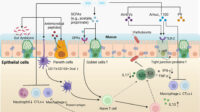
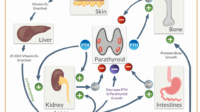
Vitamin D is frequently associated with skeletal health—calcium absorption, bone density, and long-term structural integrity. Yet its influence extends further, touching the immune system and signaling pathways that govern inflammation and cellular communication. In other words, vitamin D behaves less like a single-purpose tool and more like a conductor that coordinates multiple sections of an orchestra.
When vitamin D levels are low, the body may respond with subtle inflammatory changes or reduced muscle function. Some individuals also report lower energy and increased aches when vitamin D deficiency is present. That’s where the metaphor tightens: if nausea and fatigue are the harsh “soundcheck” of starting Ozempic, vitamin D may serve as a stabilizing acoustical panel—absorbing some of the clatter, at least in certain cases.
Can Vitamin D Actually Reduce Ozempic Side Effects?
The central question is whether vitamin D can meaningfully reduce nausea and fatigue. The most cautious, useful framing is this: vitamin D can’t directly neutralize GLP-1–related nausea the way an antiemetic might. However, correcting a deficiency may help improve baseline resilience—particularly for fatigue—by supporting muscle function and possibly reducing inflammatory stress.
For nausea, the connection is indirect. If vitamin D deficiency contributes to systemic discomfort, low mood, or altered immune signaling, improving vitamin D status could plausibly make the overall experience less unpleasant. But nausea is primarily driven by gastrointestinal motility and appetite regulation—so vitamin D is not a “targeted antidote.” It is more like improving the ground under your feet. The ground won’t stop gravity, but it can change how steady you feel while walking.
In practice, the best approach is to consider vitamin D as a supportive measure, especially when bloodwork suggests insufficient levels. When deficiency is corrected, people sometimes notice improvements in energy and well-being, which may make Ozempic side effects feel less severe.
Nausea: What Vitamin D Could Influence Indirectly
Nausea is a multifactorial symptom. Besides slowed gastric emptying, it can involve the brain-gut axis—communication between the gastrointestinal tract and the central nervous system. Vitamin D participates in immune regulation and may influence inflammatory signaling. Inflammation can, in some contexts, amplify discomfort perception. So, if someone starts Ozempic while also living with low vitamin D, correcting deficiency might reduce the “volume” of inflammatory noise.
Still, expectations should be grounded. Vitamin D won’t replace dose management, slow titration, hydration strategies, dietary adjustments, or clinician-guided treatments for persistent nausea. Think of vitamin D as a supportive element, not the main engine of symptom control.
Fatigue: A More Plausible Ally
Fatigue can be driven by multiple forces: reduced food intake, hormonal adaptation, sleep disruption, and—importantly—nutrient status. Vitamin D is frequently studied in relation to energy and muscle performance. If deficiency is present, muscles may feel weaker, and the body may seem slower to recover.
Ozempic can reduce appetite, and sometimes people eat less than their usual caloric or micronutrient needs—especially during the early weeks. In that scenario, nutrient insufficiency can compound fatigue. Vitamin D repletion, when needed, can help close one possible gap.
Picture the body as a rechargeable device. Ozempic changes the charge-discharge rhythm. Vitamin D—when deficient—can be the missing ingredient that prevents the battery from holding its usual capacity.
How to Know If You Need Vitamin D
The most pragmatic route is blood testing. A clinician can measure 25-hydroxyvitamin D, the standard indicator of vitamin D status. If levels are low, supplementation may be recommended with a targeted plan. If levels are adequate, additional vitamin D may offer diminishing returns and could increase the risk of excess.
There’s also individual variability. Skin pigmentation, sun exposure, season, body mass, dietary patterns, and certain medical conditions can all influence vitamin D status. So the “one size fits all” approach rarely serves anyone well.
Safe Supplement Strategy: Avoiding the “Too Much of a Good Thing” Trap
Vitamin D is fat-soluble, meaning it can accumulate. That’s why dosing should be deliberate rather than impulsive. Over-supplementation can raise calcium levels and lead to complications. The goal isn’t to drown out side effects—it’s to optimize baseline physiology.
When supplementation is appropriate, many clinicians tailor dosing to lab results and monitor follow-up labs when needed. Alongside vitamin D, it can also be wise to ensure calcium intake is adequate through diet or clinician-directed supplements.
Consider it like tuning a radio. Turn the dial carefully; too far and the signal distorts.
Complementary Habits That Pair Well With Ozempic
Even if vitamin D helps indirectly, the daily mechanics still matter. For nausea, small and consistent meals often work better than large portions. Slow eating can reduce gastric shock. Hydration is essential, especially when appetite dips. Ginger, bland foods, and avoiding very fatty meals can sometimes ease the early adjustment period.
For fatigue, prioritizing sleep quality, gentle movement, and protein-containing meals may support energy stability. If calorie intake drops too sharply, fatigue can worsen regardless of vitamin D status. The most effective plan tends to be layered: symptom management plus nutritional grounding.
Unique Appeal: The Metaphor of “Sunlight Insurance”
Vitamin D’s cultural reputation as sunshine is not accidental. It signals a kind of seasonal insurance—an attempt to bring consistency into an unpredictable environment. For people starting Ozempic, consistency matters. Side effects often arrive like intermittent weather, and having a supportive regimen can make the overall course feel more navigable.
When vitamin D deficiency is corrected, the body may regain some sense of momentum. That momentum can help people tolerate titration, persist through the early weeks, and feel more empowered rather than merely controlled by symptoms.

When to Seek Medical Guidance
Persistent or severe nausea, vomiting that prevents hydration, signs of dehydration, or fatigue so intense that daily life becomes unmanageable warrant prompt medical attention. Side effects can be adjusted through dose changes, slower titration, or supportive medications—steps that should be guided by a healthcare professional.
Vitamin D can be part of that larger conversation, particularly if bloodwork indicates insufficiency. The best outcomes usually come from coordinated care: symptom tracking, lab-informed supplementation, and a personalized Ozempic plan.
The Bottom Line
Vitamin D may not directly eliminate Ozempic nausea, but it can help address underlying deficiency-related fatigue and overall physiological strain. In the grand orchestration of starting semaglutide, vitamin D can function like a stabilizing harmony—especially when deficiency is present—making the adjustment less abrasive and the path more sustainable.
If the question feels urgent, the answer is structured: test, tailor, monitor, and pair with practical lifestyle supports. The body’s adaptation may be gradual, but with the right nutrients and guidance, it can become far less turbulent.