
Some nutrients feel almost theatrical—arriving with bold promises, disappearing behind caveats, and leaving people to wonder what truly matters. Vitamin D is like that. One day it’s a miracle molecule for muscles and mood; the next day it’s an “it depends.” Yet when the conversation narrows to bone health, a surprisingly pragmatic question emerges: what is the minimum effective dose? Many people land on 800 IU, and the number feels oddly specific, as if it were tailored to the human skeleton itself.

Let’s follow that thread carefully—past the surface-level certainty, into the biochemistry, the real-world complications, and the quiet reasons why vitamin D dosing captures such fascination.
What “Minimum Effective Dose” Really Means
The phrase minimum effective dose is easy to treat as a marketing slogan, but in practice it’s a clinical idea: the smallest amount of a nutrient that achieves a measurable benefit for a defined outcome. For bone health, the outcome is usually anchored to maintaining healthy calcium handling and supporting normal bone remodeling.
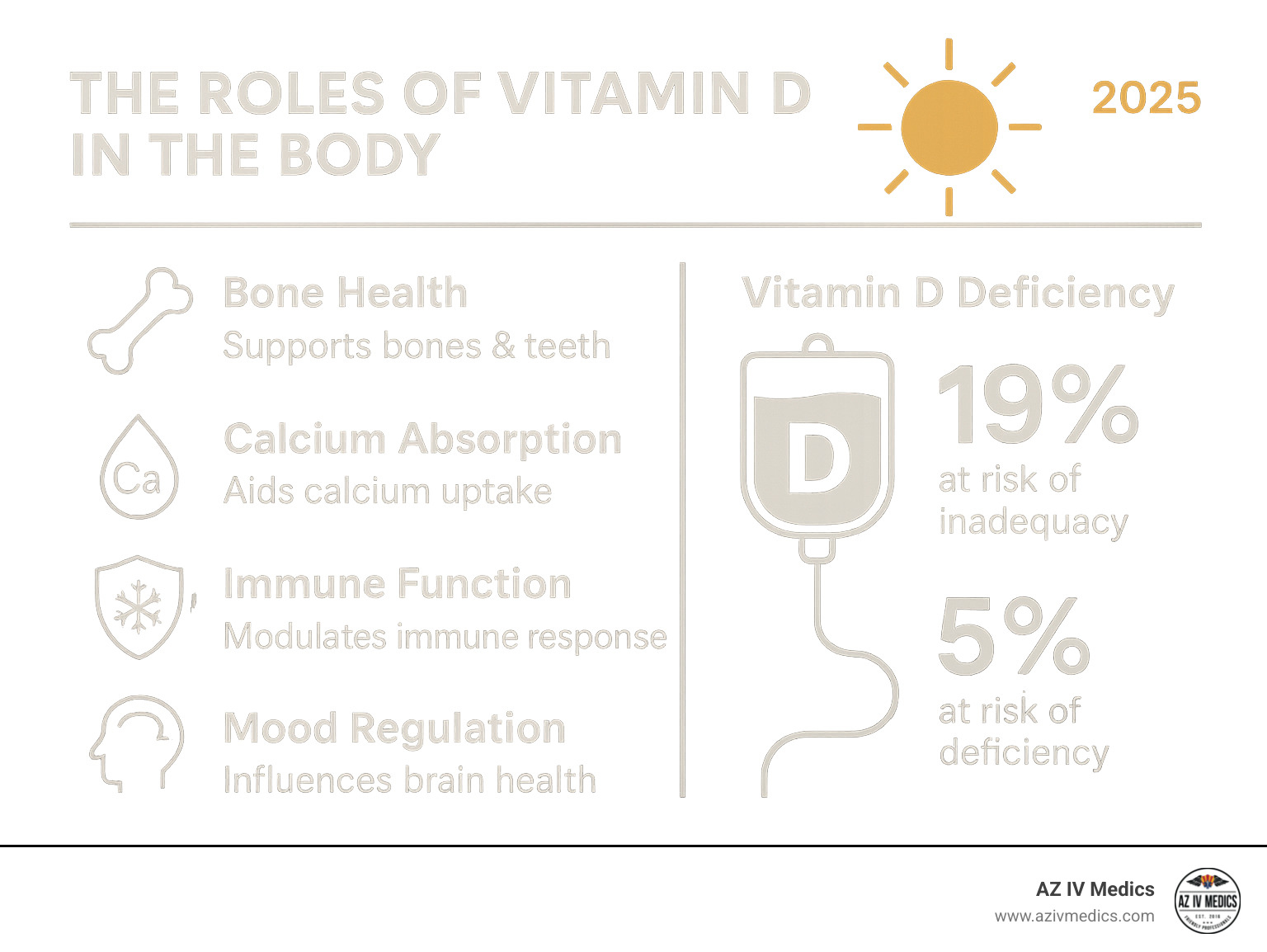
Bone is not static scaffolding. It is metabolically busy, always being built, broken down, and rebuilt. Vitamin D plays a central role in that choreography—especially by influencing intestinal calcium absorption and, indirectly, the hormones that regulate mineral balance. When vitamin D is insufficient, the body compensates. Over time, compensation can become a cost: weaker mineralization, altered remodeling, and a greater vulnerability to fractures in susceptible individuals.
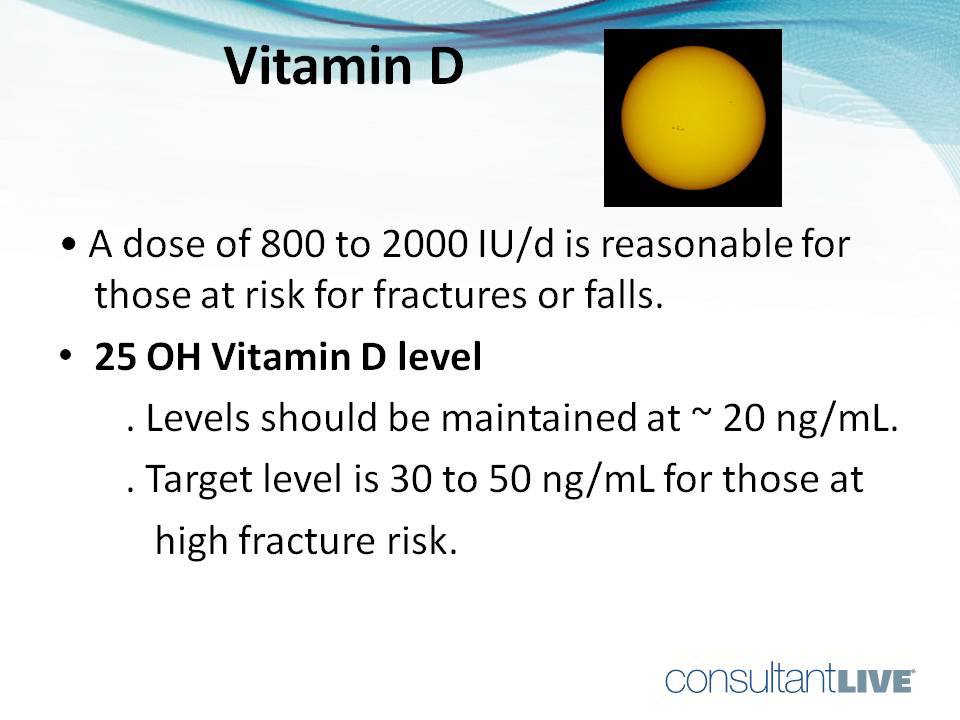
So 800 IU isn’t a magic number in the mystical sense. It’s closer to a “floor” for many adults—an amount that can meaningfully improve vitamin D status in routine circumstances, particularly when sunlight is limited.
Why Bone Health Is So Sensitive to Vitamin D
Bones rely on a mineral supply chain. Calcium and phosphate must be absorbed, transported, and deposited at the right time. Vitamin D functions like an upstream coordinator, improving the ability of the gut to absorb calcium. Without adequate vitamin D, the intestine becomes less efficient at collecting calcium from food. The body may then raise parathyroid hormone (PTH) to protect blood calcium levels, but that hormonal strategy can accelerate bone turnover.
In simpler terms: insufficient vitamin D can nudge the body toward borrowing from bone rather than drawing from the diet. Even if blood calcium stays acceptable in the short term, the skeletal “ledger” can gradually become unbalanced.
That’s why bone health conversations quickly become vitamin D conversations. The skeleton is, in effect, a buffered system with limits—and vitamin D is one of its crucial regulators.
800 IU: How It Fits into the Body’s Vitamin D Pathway
Vitamin D is unusual because it can be acquired through skin exposure to sunlight and through diet or supplements. Once inside the body, vitamin D undergoes transformations in the liver and kidneys, producing the active form that interacts with vitamin D receptors in multiple tissues, including the intestines, bone cells, and immune-related pathways.
When people say “800 IU,” they’re usually referring to the amount of vitamin D provided per day. For many adults, this dose can raise or maintain blood levels of 25-hydroxyvitamin D—often used as the best available laboratory indicator of vitamin D status. That increase matters because it aligns the body’s calcium-handling machinery toward normal function.
However, “effective” depends on context. Baseline vitamin D levels, body mass, season, geographic latitude, skin pigmentation, clothing habits, dietary calcium, and kidney function can all shift the dose-response curve. A dose that feels minimal for one person may be insufficient for another.
The Common Observation: “I’m Taking Vitamin D, So Why Isn’t It Enough?”
Many individuals report that they take vitamin D yet still experience low vitamin D levels or feel little difference. That observation is more common than it sounds, and it has deeper reasons than forgetfulness alone.
First, absorption varies. Even the same pill dose can produce different blood levels depending on whether it’s taken with food (particularly fat-containing meals), digestive health, and the presence of malabsorption conditions.
Second, vitamin D is fat-soluble. That characteristic makes it more stable than water-soluble vitamins, but it also means body composition influences how vitamin D is distributed and utilized. Higher adiposity can dilute circulating vitamin D levels, potentially making “minimum” higher in practical terms.
Third, the starting point matters. If someone begins with a notably low vitamin D status—perhaps due to limited sun exposure or insufficient dietary intake—800 IU may be closer to maintenance than to replenishment. Maintenance is not glamorous, but it can still be effective for bone support once levels are normalized.
Finally, bone health is not a vitamin D monopoly. Calcium intake, protein adequacy, resistance training, and overall metabolic factors all influence the skeletal outcome. Vitamin D can be present, yet bone may still feel “stubborn” because the rest of the system is underfed or underused.
Why 800 IU Can Be a Practical Baseline for Many Adults
For many people, 800 IU/day acts like a steady oar in the water—less about dramatic correction and more about maintaining a river’s flow. If blood levels are already moderate, that amount can nudge them into a range that supports calcium absorption and reduces the likelihood of hormone-driven bone stress.
Also, many adults live in environments where sunlight exposure is inconsistent. Seasonal changes can turn skin-based vitamin D synthesis into a gamble. Even when people spend time outdoors, the effective dose depends on angle of the sun, duration, skin coverage, and the pigmentation that influences ultraviolet absorption.
Thus, 800 IU becomes a buffer against uncertainty—an evidence-aligned compromise between being too timid and being needlessly aggressive.
Deeper Fascination: Why People Get Hooked on Vitamin D Numbers
Vitamin D dosing invites obsession for understandable reasons. It sits at the crossroads of daily habits, lab results, and long-term outcomes. People can measure it. They can adjust it. They can compare their experience across seasons and lifestyles.
There’s also something psychologically tidy about “a number.” In a world of vague wellness advice, a dosage like 800 IU feels concrete. It carries the promise of control.
But fascination isn’t only psychological—it’s biological. Vitamin D is pleiotropic, meaning it touches many systems. Bones are only part of the story. Muscle function, immune modulation, and cell signaling all intersect with vitamin D pathways, creating a broader sense that dosing might influence more than fractures alone.

Bone Health Isn’t Just Vitamin D: The Calcium and Movement Equation
Vitamin D supports calcium absorption, but it doesn’t replace calcium. If dietary calcium is low, vitamin D’s effect on bone mineralization can be constrained. Many bone-health strategies treat vitamin D and calcium as a duo rather than competitors.
Movement matters too. Weight-bearing and resistance training provide mechanical signals that bone cells interpret as “build stronger.” Vitamin D helps ensure that the materials and hormonal environment are supportive, but the skeleton still needs load-bearing cues.
Think of vitamin D as the manager of availability and responsiveness, while exercise is the foreman that tells the crew where and when to work.
Safety Boundaries and the Need for Individualization
“Minimum effective” should never be interpreted as “maximum safe.” Vitamin D can accumulate because it’s fat-soluble, and excessive intake may cause hypercalcemia, which can lead to complications.
That is why individualization is essential. Some individuals—such as those with malabsorption disorders, kidney disease, certain granulomatous conditions, or those on interacting medications—may require different dosing strategies.
For others, periodic lab testing of 25-hydroxyvitamin D may be useful, especially if results are inconsistent, if there is a history of deficiency, or if symptoms persist despite supplementation.
How to Think About 800 IU in Real Life
A practical approach is to treat 800 IU as a sensible starting point for bone support in routine adult contexts where sunlight is limited. Pair it with calcium-containing meals if diet tends to be low. Take it with food when possible to support absorption. Maintain consistent habits rather than chasing sporadic “catch-up” doses.
Then observe the larger picture: energy, muscle function, dietary pattern, and training routine. Bone health usually improves through cumulative consistency rather than immediate transformations.

The Bottom Line: 800 IU as an Informed Minimum for Bone Support
Vitamin D dosing for bone health is both straightforward and subtly complex. The minimum effective dose concept captures what many people want: enough to support calcium handling and healthy remodeling without drifting into extremes. For many adults, 800 IU functions as that grounded threshold—particularly when sunlight exposure is limited and dietary intake is imperfect.
The deeper reason people return to this number is not simply that it’s widely cited. It’s that 800 IU represents a bridge between biology and daily life: modest, consistent, and aligned with what bones require to remain resilient over time.