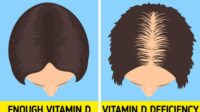
Gray hair often arrives like a quiet notification—one day you notice a silvery strand, and the next, the mirror seems to age faster than your calendar. Among the many theories swirling around this change, one idea repeats with surprising persistence: correcting vitamin D deficiency might help reverse gray hair. Stories circulate, anecdotes accumulate, and people begin to wonder whether a pale complexion of time can be coaxed back toward its earlier tones. The question is not merely medical; it’s emotional, almost mythic. Can the right vitamin—sunshine distilled—truly undo the artistry of aging?
Vitamin D as a “sunlight signal” for biology
Vitamin D is frequently described in practical terms—supplements, blood levels, deficiency. But it also functions like a molecular messenger, a kind of biological radio tuned to sunlight. When levels are low, the body may struggle to maintain multiple systems at once: immune regulation, skin health, and the cellular choreography involved in hair growth.
Hair color, however, is a drama enacted inside follicles. Melanocytes manufacture pigment, and their performance can be affected by oxidative stress, inflammation, and microenvironment changes. Vitamin D’s role in immune modulation and cellular signaling suggests a plausible bridge: correcting deficiency could reduce “background noise” (inflammation-related interference) and allow melanocytes to operate more smoothly.
Think of the follicle as a small studio. If the lighting flickers and the acoustics are off, even talented technicians struggle. Vitamin D can be imagined as restoring the studio’s power grid. That doesn’t guarantee a full rewrite of the past, but it can improve the conditions for pigment production.
The anecdotal landscape: hope in uneven waves
“Anecdotal” is a word that carries both promise and caution. Unlike controlled trials, personal narratives vary wildly—different diets, different baseline deficiencies, different supplement forms, and different timelines. Still, anecdotes can illuminate patterns: some people report gradual darkening after addressing low vitamin D, while others notice no change or only cosmetic improvement.
One recurring motif in these stories is the timeline. Instead of “overnight reversal,” many accounts describe subtle shifts over months. This cadence matters because hair growth is slow. A follicle doesn’t instantaneously retune its pigment output; it needs time for signaling pathways to stabilize and for new strands to emerge.
Yet the stories are not uniform. Some individuals begin supplementing and observe fewer new gray hairs, which feels like a “pause button.” Others describe partial repigmentation—more like a fading scar becoming less conspicuous rather than turning back the clock completely.
How deficiency might accelerate graying
Gray hair is often associated with aging, but aging is not a single lever—it’s a landscape. Oxidative stress can accumulate, inflammatory signals can rise, and melanocytes can become less active or eventually decline in function. Deficiency of vitamin D may contribute to this environment indirectly by altering immune behavior and skin-related regulation.
When the body’s regulatory systems are strained, hair follicles may experience a less hospitable microclimate. Imagine a garden with intermittent rain. Even if the seeds are healthy, irregular watering can reduce the garden’s consistency. Over time, the “color-producing plants” may become less productive.
Vitamin D is also linked to cellular differentiation and growth patterns. While pigment production is complex, it is plausible that a restored deficiency status could support a healthier follicular niche—one where melanocytes can at least partially resume their role.
Can gray hair truly reverse? The realistic expectation
The term “reverse” sets a high bar. Hair pigment can change, yes, but “full reversal” is uncommon in anecdotal reports, and biology doesn’t always offer neat transformations. Instead, a more realistic framing emerges: vitamin D correction may help certain people by slowing progression or enabling partial repigmentation—especially when deficiency is a contributing factor.
If graying results primarily from genetic programming, correcting vitamin D might not fully restore color. Genetics is a blueprint, not a recommendation. On the other hand, if vitamin D deficiency is one of several accelerants—along with stress, inflammation, nutrient gaps, and thyroid imbalance—then addressing it could meaningfully improve the odds.
In narrative terms, this is less “alchemy” and more “support.” Vitamin D doesn’t force time backward. It helps the body stop hemorrhaging potential and gives follicles a better chance to perform.
Signs your “gray question” may be connected to vitamin D
Not everyone with gray hair has vitamin D deficiency. But deficiency can sometimes travel with other clues: low energy, frequent fatigue, muscle aches, poor mood, or lingering susceptibility to illness. Skin can also reflect the story—dryness or slow recovery. Still, symptoms are not diagnostic; they are only hints written in the margins.
The most credible step is measurement. Blood testing for 25-hydroxyvitamin D can clarify whether the supplement conversation is grounded in a real deficit. People who report the most noticeable changes often begin with confirmed low levels, then supplement consistently while monitoring improvement.
A useful metaphor: deficiency is like a “missing ingredient” in a recipe. If the ingredient is absent, adding it can make a visible difference. If it’s already present, adding more won’t necessarily improve the dish.
What correcting vitamin D typically involves
Correcting vitamin D deficiency is usually a two-phase process: replenishment and maintenance. Replenishment may involve higher doses for a limited period, guided by clinician recommendations. Maintenance then aims to keep levels in a healthy range.
Consistency matters. Vitamin D is fat-soluble, meaning it can accumulate, but it also means levels shift slowly. A person may take supplements for weeks and still see little. Patience becomes a practical virtue.
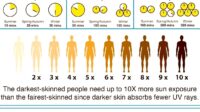
Diet and sunlight can contribute too, but they are unpredictable. Food provides smaller amounts, while sunlight exposure varies by season, latitude, skin pigmentation, and lifestyle. Supplements often become the steady metronome—helping the body maintain a stable signal.
Why other factors may decide whether you see pigment changes
Gray hair is rarely a single-cause event. Many variables may intersect: vitamin B12 status, iron levels, copper balance, thyroid function, overall protein intake, chronic stress, and sleep quality. If one nutrient is missing, restoring vitamin D may help; if multiple deficiencies coexist, restoring vitamin D alone may only partially brighten the story.
Moreover, certain autoimmune conditions and dermatologic issues can affect melanocytes. Smoking, oxidative stress, and intense psychological strain are also frequent companions to premature graying. Think of graying as a symphony performed by many instruments. Vitamin D may tune one section, but the entire orchestra must stay in harmony.
This is why anecdotal improvements often appear alongside broader lifestyle changes. Many people who report benefit also reduce stress, improve micronutrient intake, or address inflammation-related conditions.
Hair grows, so progress is visual—and delayed
The most intriguing part of gray reversal anecdotes is the timeline. New hair emerges from follicles in cycles. That means you may not see pigment return in the existing strands first. Instead, the “signal” appears when fresh growth begins to carry color.
For many people, this looks like a gradual softening of the contrast: fewer gray hairs at the roots, or a subtle re-darkening among new strands. The pattern can resemble a sunrise—slow, almost imperceptible at first, then unmistakable.
Patience also prevents premature conclusions. If someone stops supplementation early or expects immediate results, they may miss slow biologic processes.
Safety and moderation: avoid the dangerous optimism
Because vitamin D can be taken in higher doses, safety is essential. Too much vitamin D can raise calcium levels and lead to complications such as kidney issues. The desire to “fix everything” quickly can be tempting, especially when gray hair feels like a visible threat.
Still, the body is not a wish engine. Supplementation should ideally be personalized and monitored. Checking levels, following dosing guidance, and considering medical conditions create a more responsible path.
Optimism becomes useful when it is disciplined by measurement. In other words, hope works best with guardrails.
A compelling conclusion: a hopeful possibility, not a guaranteed makeover
Can correcting vitamin D deficiency reverse gray hair? Anecdotal accounts suggest it might help some people—often by slowing progression or enabling partial repigmentation over time. The mechanism fits plausibly within broader biology: vitamin D influences immune behavior and cellular signaling, which could create a more favorable environment for melanocytes.
Yet the story remains uneven. Gray hair is shaped by genetics, oxidative stress, inflammation, and nutrient networks. Vitamin D is one thread in a tapestry, not the whole loom.
Still, the unique appeal of this idea is that it treats graying not only as an inevitable surrender, but as a solvable condition that might respond to a measurable deficiency. When the body’s “sunlight signal” is restored, some follicles may remember how to make pigment—one slow strand at a time.