Have you ever noticed how winter doesn’t just cool the air—it seems to cool your inner weather too? One minute you’re bright-eyed; the next, your mood feels like it’s been wrapped in a damp scarf. It’s not all in your imagination. Fewer daylight hours, altered circadian rhythms, and the seasonal drop in vitamin D can team up to make your mind feel foggier, heavier, and—yes—more prone to depression-like symptoms.
What Winter Does to Your Brain’s “Day Clock”
Think of your brain as a meticulous timekeeper. It runs on cues from light—especially morning light—which helps set your circadian rhythm. When winter arrives, daylight becomes stingier and often arrives later. Even if you wake up and move through your day, the light exposure may be dramatically weaker than what your body evolved to expect.
Your sleep timing can wobble. Your energy can flatten. And then, almost imperceptibly, motivation drops as if someone turned down the volume. This isn’t merely “feeling down.” For many people, it can resemble seasonal affective patterns: low mood, irritability, sluggishness, and a desire to retreat inward.
Here’s a playful question to test your winter logic: if your day feels shorter, why wouldn’t your mood follow suit?
Vitamin D: The Sunshine That Doesn’t Always Reach You
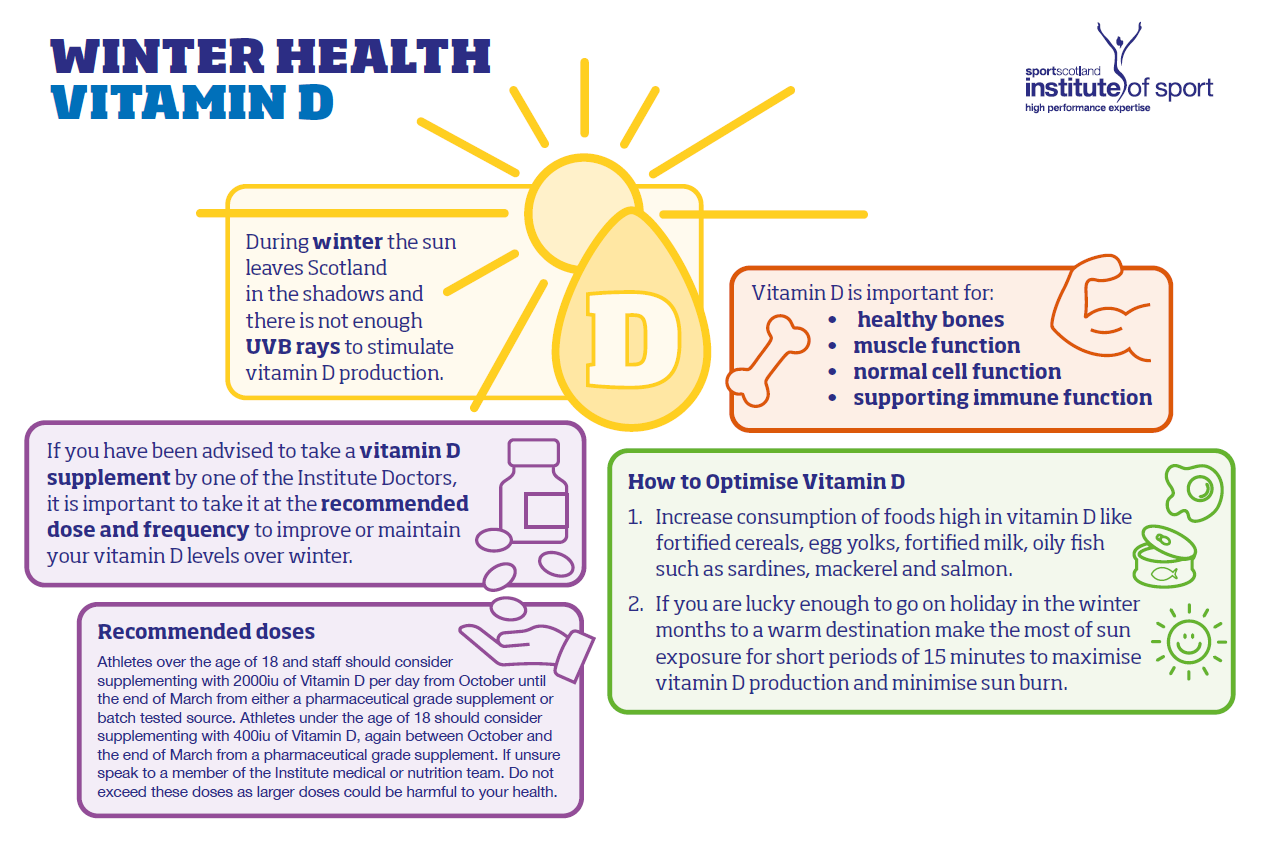
Vitamin D is sometimes called the “sunshine vitamin,” but winter makes that phrase sound optimistic, doesn’t it? In many regions, the angle of the sun and the reduced intensity mean your skin can’t synthesize much vitamin D during the colder months. Even if skies are technically clear, the biochemical “conversion” process may be muted.
Vitamin D isn’t only about bones and immunity. It’s also involved in neurological function and mood regulation pathways. When levels run low, people may experience fatigue that feels disproportionate, reduced resilience to stress, and a stubborn sense of emotional heaviness.
Potential challenge: consider your own routine. Are you outdoors only during evening twilight, or do you get any meaningful daylight during the hours your body finds easiest to use it?
Light Exposure vs. Indoor Living: The Invisible Mismatch
Modern life often places us in a bright-looking but biologically dim environment. Indoor lighting can be steady and pleasant, yet it may not deliver the same spectral and intensity cues that outdoor daylight provides. Your eyes detect brightness—but your brain also interprets light as a timing signal.
In winter, the mismatch becomes sharper: you may travel to work before sunrise or after daylight has already retreated. You might sit under artificial illumination for long stretches, then step outside briefly at dusk, when the body is more likely to signal “night” than “activate.”
Short day + indoor time can feel like a double constraint. Long sentences fit the mood, too—because everything stretches: commute time, screen time, and the sense that the day is dragging its feet.
Seasonal Depression: A Pattern, Not a Personal Failure
Seasonal depression is often misunderstood as a character flaw or a lack of willpower. It isn’t. It’s a patterned response influenced by biological rhythms, environmental cues, and sometimes vitamin D insufficiency. The result can be emotionally disruptive, socially isolating, and surprisingly physical.
Symptoms may include persistent low mood, reduced interest in activities, changes in appetite (sometimes increased), sleep alterations, and concentration difficulties. Some people feel tearful. Others feel numb. Both responses are valid, and both can be addressed.
If this resonates, the “challenge” isn’t to become instantly upbeat. The challenge is to notice the pattern early and intervene with gentleness and strategy—before the winter weight becomes entrenched.
Signs Your Vitamin D Might Be Low (and Why Testing Helps)
Vitamin D deficiency doesn’t always announce itself like a siren. It can present subtly: lingering fatigue, muscle aches, feeling run down more often, or a general sense of low-grade malaise. Some people don’t notice symptoms clearly until winter magnifies them.
Because symptoms overlap with other conditions—sleep disorders, stress, thyroid changes, or depression—self-diagnosis can be unreliable. Testing can clarify what’s going on and prevent guesswork.
Uncommon-but-useful detail: vitamin D status is best discussed using a blood measurement of 25-hydroxyvitamin D. This gives a more stable picture than how you “feel” on a given day.
Potential challenge: if you’ve never been tested, winter might be the moment to ask a clinician about it—especially if fatigue and mood symptoms consistently return during colder months.
Food and Supplement Strategy: Filling the Vitamin D Gap
Vitamin D can come from diet, but food sources are often limited. Fatty fish (like salmon and sardines) are typically helpful. Some fortified foods—such as certain dairy alternatives, yogurts, or cereals—also contribute. Still, winter can outpace dietary intake.
That’s where supplements may enter the conversation. Not everyone needs the same dose, so it’s sensible to consider personal risk factors: darker skin, limited sun exposure, higher latitudes, and certain health conditions. A healthcare professional can help determine what level is appropriate.
Long story short: vitamin D may not be the only cause of winter mood changes, but it can be a meaningful piece of the puzzle. Addressing it is often an “infrastructure upgrade” rather than a quick fix.
Practical Ways to Get More Light (Without Becoming a Winter Hermit)
You don’t need to live outdoors like a Nordic folklore character. Small adjustments can still shift the light cues your body receives. Try planning a daylight “anchor” during the day—something as simple as stepping outside shortly after waking or during a break when the light is strongest.
Go for morning movement when possible. Even brisk walking helps. If mornings are impossible, aim for midday exposure. Windows can contribute some light, but they may filter out beneficial wavelengths—so outdoor time matters.
Short, playful challenge: pick one day this week and do a “two-exposure” routine—light outdoors for a few minutes, then later another brief burst. Don’t chase perfection; chase consistency.
Light Therapy: When Winter Feels Too Heavy
Some people benefit from structured light therapy—specifically designed light boxes that mimic daylight timing cues. This can be considered for seasonal affective patterns, often used in the morning to help reset circadian rhythm and improve mood symptoms.
It’s not a casual gadget. Correct timing, duration, and device specifications matter. It may also be unsuitable for some eye conditions or in certain medication situations. The key is safe guidance, ideally from a clinician who understands your medical context.
Light therapy doesn’t replace vitamin D or lifestyle changes, but it can act like scaffolding—supporting the brain’s daily timing architecture when winter disrupts it.
Movement, Sleep, and Mood: The Trio Winter Tries to Sabotage
Winter can steal energy, and low energy can reduce movement. That, in turn, can worsen sleep and mood—an unhelpful feedback loop. Breaking the loop is possible, even if you feel sluggish.
Choose gentle movement: stretching, yoga, walking, or resistance exercises that don’t feel like punishment. Then protect sleep. Keep a consistent wake time. Reduce late-night screen exposure when you can. The circadian system loves predictability, and your body will notice.
Also consider social warmth. Isolation can intensify winter gloom. Even short contact—texting a friend, joining a class, or attending a community event—can brighten the emotional atmosphere. Mood is not only chemistry; it’s also connection.
When to Seek Help: Depression Deserves Care
If winter mood changes feel severe, persistent, or accompanied by thoughts of self-harm, professional support is essential. Depression is treatable, and early intervention can prevent worsening. Therapies, lifestyle adjustments, and—when appropriate—medication or light therapy can all help.
Consider your safety and your well-being first. If you’re struggling, you’re not “failing at winter.” You’re experiencing a real, biological, and emotional response that deserves real support.
Closing Thought: A Clearer Morning Is a Strategy, Not a Wish
Winter may come with darker mornings and earlier nights, but your body doesn’t have to endure the season on its own terms. By understanding how light affects your brain’s timing, how vitamin D can drop when sunlight fades, and how simple interventions can restore balance, you can turn the gloom into something more manageable.
And here’s the final playful question: what if this year, instead of waiting for spring, you built a small “light plan” now—one that makes winter feel less like a shut door and more like a chapter you can navigate?