Pregnancy is a season of orchestration. Within that symphony, vitamin D plays a quietly forceful role—less like a spotlight and more like a steady lighthouse beam guiding development through shifting waters. But the real question isn’t merely “Should vitamin D be checked?” It’s deeper: What is a sufficient vitamin D level for pregnancy? Because “enough” can feel like a moving target, shaped by labs, guidelines, physiology, and even the geography of sunlight. Let’s untangle this with clarity, nuance, and a little wonder.
Vitamin D in Pregnancy: More Than a Bone-Building Vitamin
Vitamin D is often introduced as the body’s bone architect. Yet in pregnancy, its job description expands. It helps regulate calcium and phosphorus—critical building blocks for fetal skeletal development. Still, vitamin D is not confined to the architecture of bones. It participates in immune modulation, influencing how the maternal body balances protection and tolerance. This matters during pregnancy, a time when the immune system must be vigilant yet not hostile.
Think of vitamin D as a molecular “translator.” It helps the body interpret environmental signals—especially sunlight—into biochemical instructions. When levels run low, those instructions become garbled. When levels are sufficient, the system communicates more smoothly.
How Vitamin D Levels Are Measured (and Why “Numbers” Can Mislead)
Most pregnancy assessments focus on 25-hydroxyvitamin D, abbreviated 25(OH)D. This is the most reliable marker because it reflects vitamin D stores rather than fleeting, moment-to-moment changes. The measurement is typically expressed in ng/mL (nanograms per milliliter) or nmol/L (nanomoles per liter).
Here is where interpretation becomes tricky: the same blood value can land differently depending on the lab’s reference ranges and the guideline framework. One clinic may emphasize deficiency thresholds; another may emphasize sufficiency targets linked to pregnancy outcomes. Your goal is not just a “pass” on a report—it’s a level that supports the maternal-fetal environment.
So, What Counts as Sufficient? The Practical Target
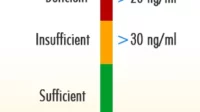
A “sufficient” vitamin D level for pregnancy is commonly framed around at least 30 ng/mL (75 nmol/L) of 25(OH)D. Many clinicians aim for this range because it generally aligns with improved biochemical sufficiency—particularly regarding calcium balance and downstream metabolic functions.
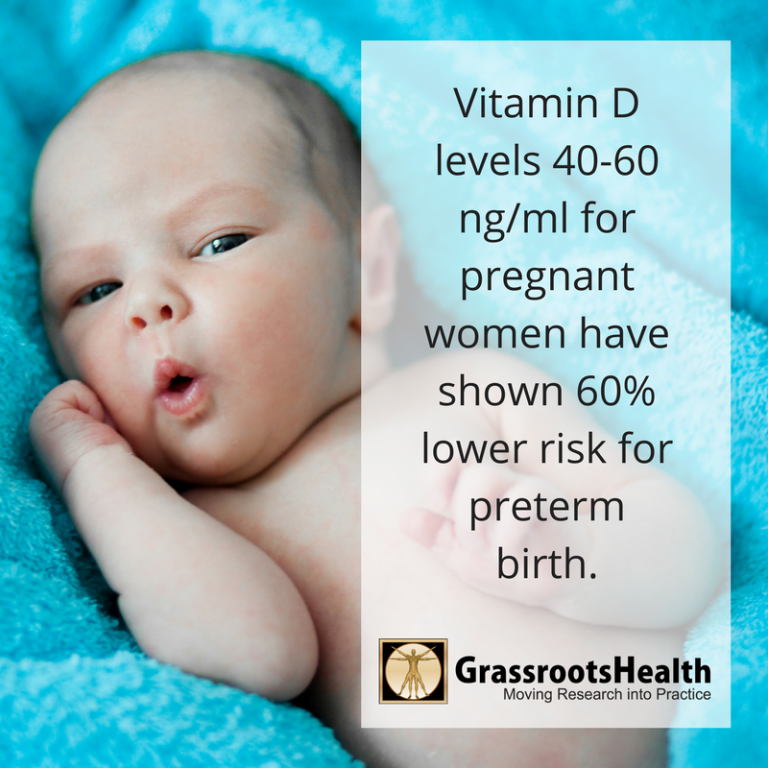
Some experts also consider an upper buffer, often expressed as around 40–60 ng/mL, especially for individuals who start low and require more than maintenance. Still, higher is not automatically better. The body has an intrinsic ceiling of beneficial conversion and regulation. Overstepping can invite unnecessary complexity without clear advantage.
In metaphor terms: sufficiency is not a trophy at the finish line. It’s a steady altitude—comfortably above the fog, not so high that the air becomes thin and unpredictable.
Deficiency, Insufficiency, and the “Gray Zone” in Between
Vitamin D status is often grouped into categories. While exact cutoffs vary, a common framing is:
Deficient: typically below 20 ng/mL (50 nmol/L).
Insufficient: often 20–29 ng/mL (50–74 nmol/L).
Sufficient: usually 30 ng/mL (75 nmol/L) or higher.
The gray zone matters because it is easy to overlook. A person may not be “deficient” by strict definitions yet still sit in a range where vitamin D-dependent processes may not be operating at their best. Pregnancy amplifies needs—what felt adequate before can become borderline during gestation.
One way to see this: deficiency is like running a car with the dashboard warning light glaring. Insufficiency is like driving with the gauge slightly low—no emergency alarm, but the journey never feels optimal.
Why Pregnancy Can Lower Vitamin D “Availability”
Vitamin D is influenced by sunlight exposure, skin pigmentation, seasonality, diet, body composition, and genetics. During pregnancy, several factors can combine to reduce effective status. The demand for calcium increases. The expanding maternal circulation and physiological changes can alter how nutrients are distributed and utilized.
Even if a person takes a prenatal vitamin, that does not guarantee sufficiency. Many prenatal formulas contain modest vitamin D amounts, and those may be insufficient for correcting low baseline stores. In other words, supplementation might be like adding a cup to a leaky bucket. It may help, but it won’t always close the gaps if the starting level is far behind.
Another metaphor fits well here: pregnancy is a relocation of resources to a new address. Vitamin D must travel too—through blood, through metabolism, through cellular instructions.
How Testing Fits Into the Timeline (and What to Discuss With a Clinician)
Testing is the compass. It turns guesswork into a plan. Many providers consider measuring 25(OH)D early in pregnancy, particularly for individuals with risk factors—limited sun exposure, darker skin, higher body mass index, malabsorption conditions, or dietary patterns low in vitamin D and calcium.
If a level is found to be low or borderline, clinicians may recommend an individualized supplementation strategy. Sometimes that means a dose designed for repletion first, followed by maintenance. Sometimes it means more conservative dosing paired with retesting.
A key point: retesting isn’t just ritual. It’s how the plan adapts. Levels can change in response to sunlight, adherence, and baseline physiology.
How Much Vitamin D Helps Reach Sufficiency (Dose Concepts, Not One-Size-Fits-All)
When people ask about sufficient levels, they often pivot quickly to dosage. However, the amount needed to reach 30 ng/mL depends on starting status. Someone at 12 ng/mL may require a different approach than someone at 26 ng/mL.
Clinically, vitamin D dosing is usually discussed in two phases: repletion (to raise stores) and maintenance (to hold them steady). The duration of each phase varies based on how low the level is and how the body responds.
It’s wise to treat vitamin D like a precision instrument rather than a blunt hammer. Over-supplementation can cause trouble—particularly if large doses are used without monitoring. The aim is sufficiency, not maximality.
Diet, Sunlight, and the “Vitamin D Triangle”
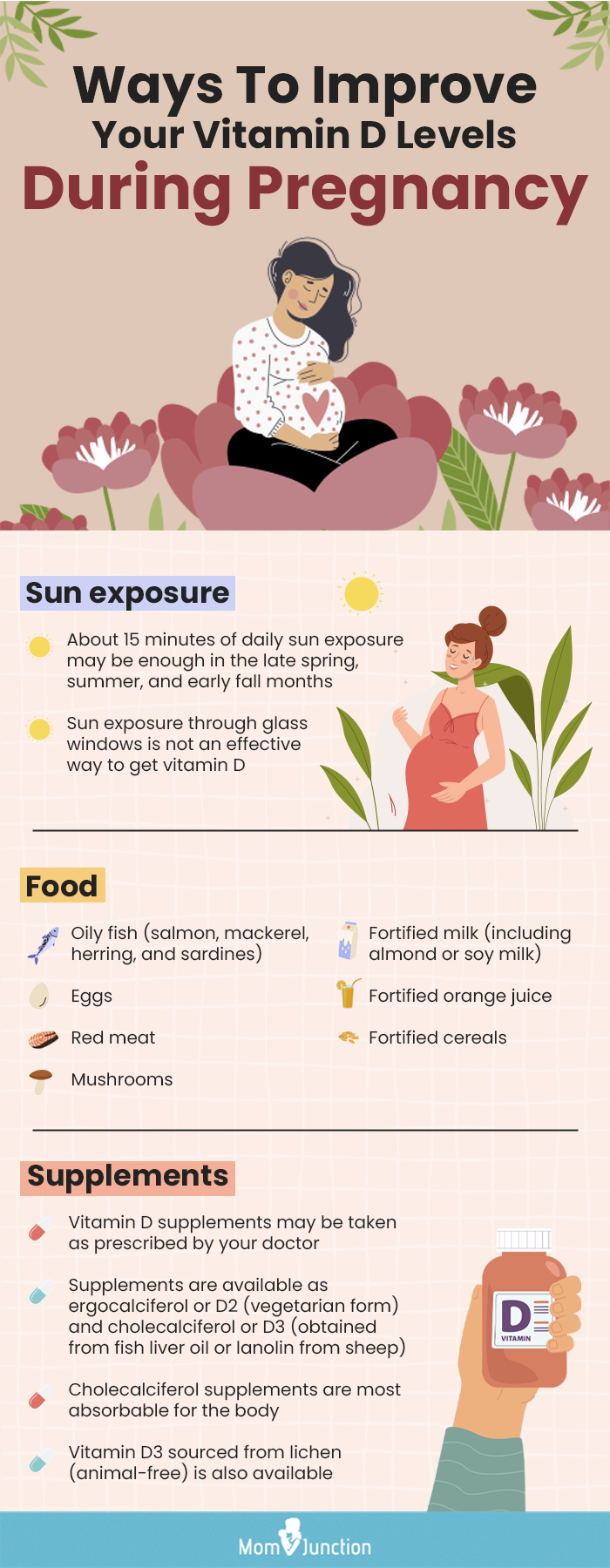
Sunlight triggers vitamin D synthesis in the skin, but the path is not uniform. Latitude, season, cloud cover, sunscreen use, clothing coverage, and skin tone all influence the outcome. Diet supplies only a fraction for most people—fatty fish, fortified foods, and some supplements can help, but food alone often can’t reliably correct low levels.
Visualize a three-sided triangle: sun exposure, diet, and supplementation. If one side is short—say, winter and indoor living—another side must lengthen. During pregnancy, supplementation often becomes the dependable stabilizer.

Pregnancy Outcomes and the Importance of Not Skipping the Target
The compelling part of vitamin D isn’t only physiology—it’s the possibility of better pregnancy outcomes when vitamin D status is supported. Research has explored associations between vitamin D range and pregnancy variables. While individual outcomes are influenced by many factors, vitamin D sufficiency is frequently discussed as a modifiable contributor.
This is why sufficiency matters: vitamin D may act like a “regulatory conductor,” helping coordinate immune balance and metabolic readiness. When levels are too low, the conductor may arrive late or miss the cue.

Special Considerations: When Risk Factors Change the Conversation
Some people require a more vigilant approach. Malabsorption syndromes, bariatric surgery history, chronic kidney or liver disease, certain medications, and limited sun exposure can all influence vitamin D status. In these situations, “standard” assumptions may not apply. The sufficiency target can remain similar, but the pathway to reach it may be more intensive.
Additionally, lifestyle and cultural factors can affect sunlight exposure patterns. A clinician’s questions should feel practical: How often is outdoor time possible? What does the diet typically look like? Are supplements being taken consistently?
Safety, Moderation, and the Wisdom of Monitoring
Because vitamin D is fat-soluble, it can accumulate. That’s why sufficiency should be pursued with restraint and measurement. The best plan is the one you can verify—through a reasonable supplementation strategy and follow-up testing when appropriate.
In pregnancy, the goal is to support development without creating new imbalances. Monitoring helps ensure vitamin D remains within a helpful range, neither stranded at deficiency nor pushed into unnecessary excess.
The Unique Appeal: Turning a Lab Result Into Peace of Mind
There’s a quieter benefit to sufficiency targets: psychological relief. Vitamin D testing can convert uncertainty into a tangible plan. It turns “I hope my levels are okay” into “Here’s what my body needs next.”
And that appeal is not trivial. Pregnancy is filled with decisions. Vitamin D sufficiency offers one of the few decisions that is both measurable and modifiable—like adjusting a dimmer switch in a room before the lights matter most.
A Clear Bottom Line
For most pregnant people, a sufficient vitamin D level is generally considered 30 ng/mL (75 nmol/L) or higher of 25-hydroxyvitamin D. Achieving that level may support calcium regulation, immune functioning, and a healthier biochemical environment during gestation.
The most elegant strategy is also the most grounded: test when indicated, interpret your results in context, supplement thoughtfully, and monitor progress. Pregnancy deserves evidence-based reassurance—and vitamin D sufficiency is one of the ways to provide it.