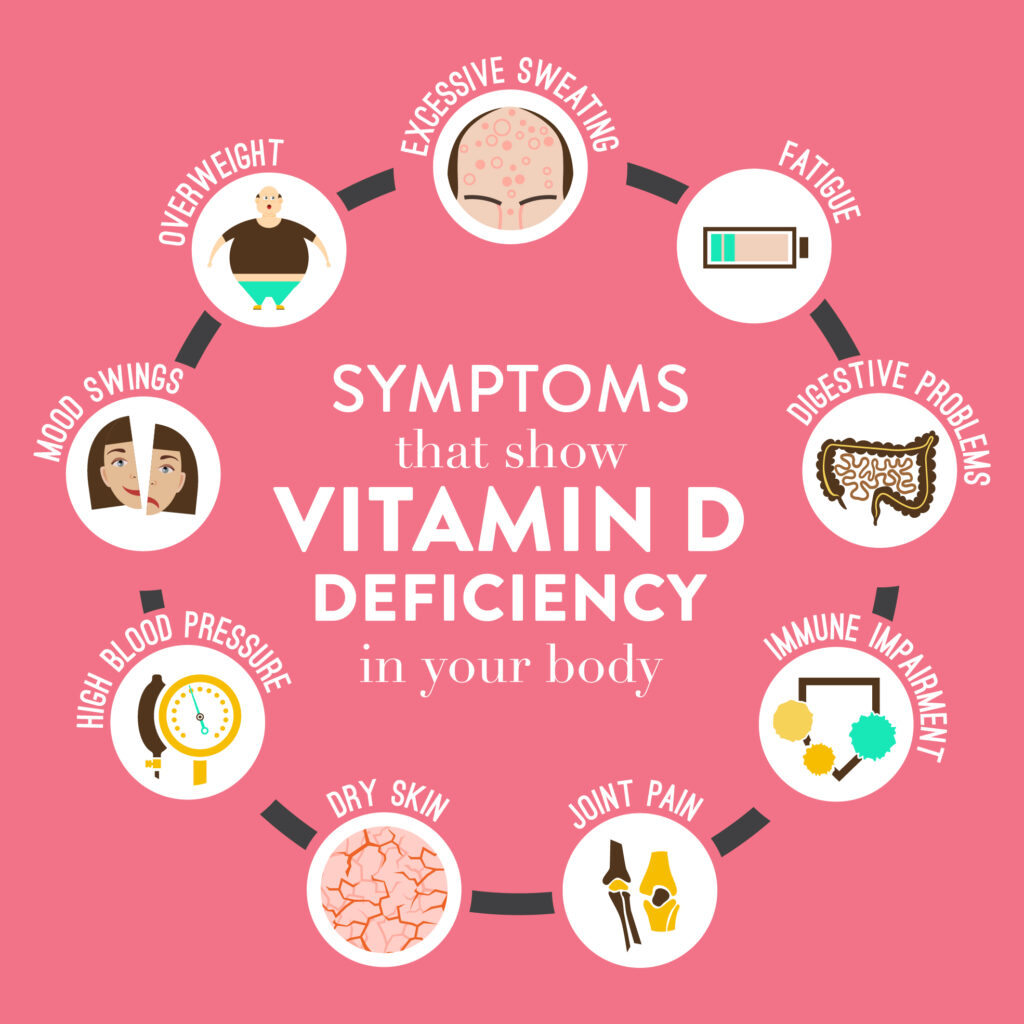
Have you ever felt “off” for weeks and blamed it on stress, seasonal mood swings, or a busy schedule? Now, here’s a playful challenge: imagine Vitamin D is the mischievous culprit hiding in plain sight—quietly, persistently, and often without the drama you’d expect from a health problem. Could your body be waving subtle flags, hoping you’ll notice before the issue snowballs? Welcome to The Silent Epidemic: 15 Vitamin D Deficiency Symptoms in the US, where the symptoms can seem ordinary, scattered, and easy to dismiss. But your body doesn’t exaggerate— it just accumulates signals.
1) Fatigue that feels oddly “stickier” than usual
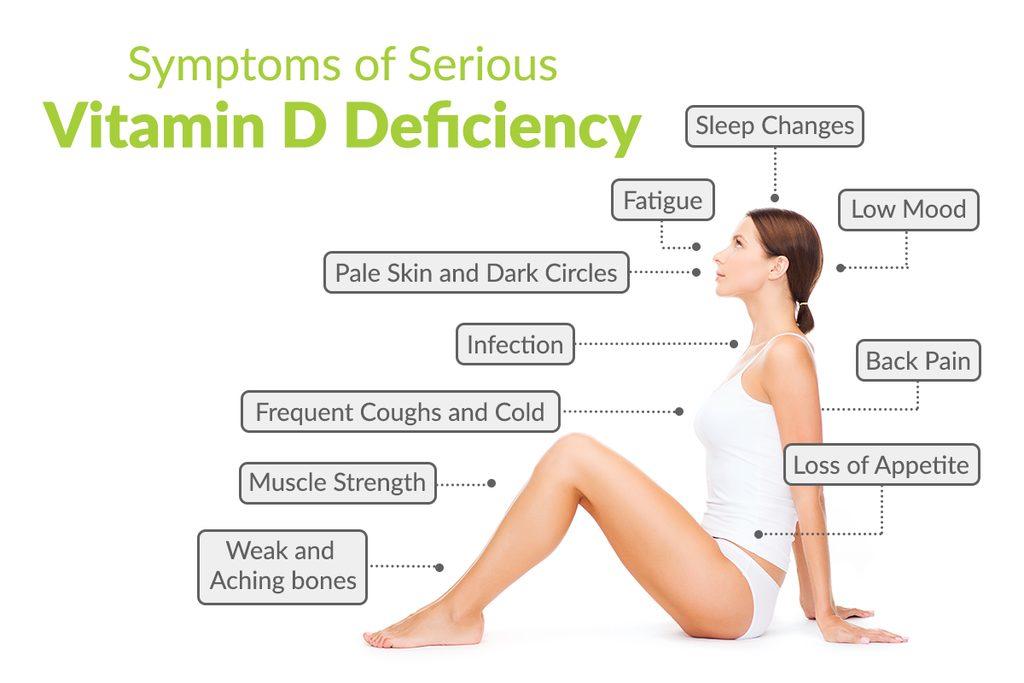
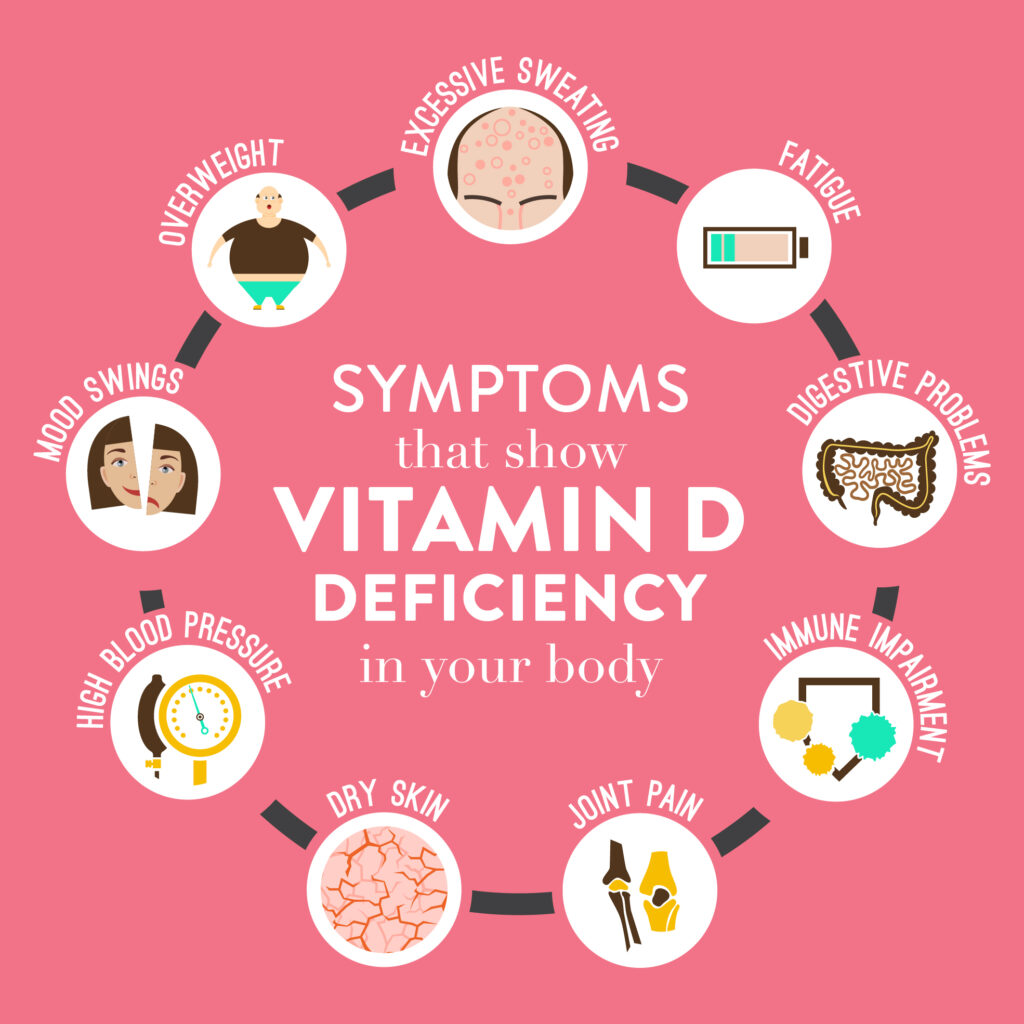
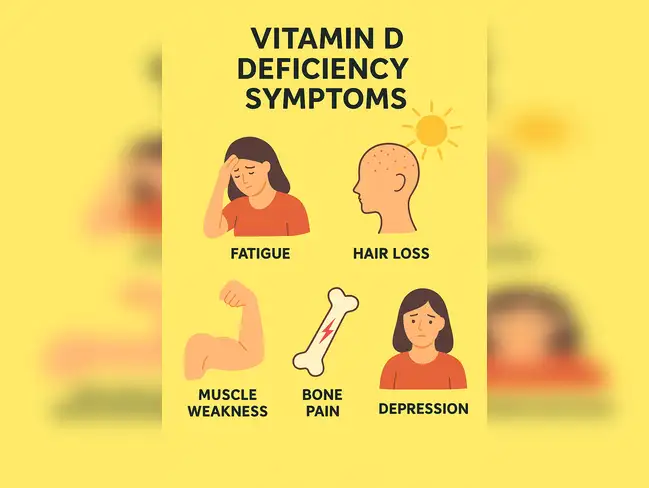
Fatigue from Vitamin D deficiency can feel like an invisible gravitational pull. You might wake up tired, feel sluggish mid-day, and experience an overall low-energy aura that doesn’t match your sleep schedule. Sometimes it’s not just tiredness—it’s an unrefreshing fatigue, where rest doesn’t restore you. That discrepancy can be a clue: your routine hasn’t changed, but your stamina has.
2) Muscle aches and creeping weakness
Ever stretch and still feel sore? Vitamin D deficiency can contribute to diffuse musculoskeletal discomfort. This may include dull aches, tenderness, or a gradual sense of weakness—especially in larger muscle groups like thighs and hips. The body may feel clumsy, as if coordination has slightly slipped. It’s common to write this off as “getting older,” but persistent, unexplained muscle symptoms deserve attention.
3) Bone pain and a “brittle” nagging sensation
Bone pain can arrive like a quiet complaint: a dull ache in the back, hips, or ribs, or discomfort that worsens with activity. In more significant deficiency states, bones may become more vulnerable, leading to fractures after minimal stress. Your skeletal system is not melodramatic—it whispers first, then escalates.
4) Frequent infections and a weakened immune vibe
Vitamin D plays a role in immune regulation. When levels are low, some people experience a tendency toward more frequent colds, respiratory infections, or prolonged recovery times. You may notice that you’re “always fighting something,” even when exposure seems ordinary. The pattern matters: recurrent infections can hint at immune dysregulation rather than pure bad luck.
5) Mood changes, including low mood and irritability
Let’s talk about the emotional weather. Low Vitamin D has been associated with depressive symptoms, irritability, and a subdued sense of well-being. This doesn’t mean Vitamin D is the sole cause of mental health struggles. But when mood dips alongside physical fatigue and aches, the combination can become a compelling narrative your body is providing.
6) Poor concentration and mental fog
That “brain haze” isn’t always caused by too many tabs open. Some individuals report difficulty focusing, slowed cognition, and forgetfulness when Vitamin D is insufficient. It can feel like you’re present but not fully online—like your attention is sticky and hard to mobilize. If mental performance is persistently diminished, it’s worth considering physiological contributors.
7) Low energy for exercise or reduced stamina
You might start a workout and discover your body isn’t cooperating. Low Vitamin D can contribute to reduced exercise capacity, making movement feel harder than it used to. This is not just motivational loss. It’s more physical—muscle fatigue arrives earlier, and recovery feels slower. When your body rebels against activity, it may be signaling nutritional insufficiency.
8) Hair shedding and scalp changes
Hair can be surprisingly diagnostic. Vitamin D deficiency has been linked with hair shedding (telogen effluvium) and changes in scalp health. Hair loss can be stressful, and stress can further complicate the situation. But if shedding is persistent and accompanied by fatigue or aches, it’s prudent to consider whether underlying nutrient factors are contributing.
9) Sleep disruption—restlessness instead of restoration
When your sleep feels fragmented, it can be hard to tell whether the problem is lifestyle, stress hormones, or something biochemical. Some people with Vitamin D deficiency report insomnia, restlessness, or trouble maintaining sleep. It’s not always direct, but patterns that persist—especially alongside daytime fatigue—should be examined rather than endured.
10) Chronic back pain or generalized discomfort
Back pain has many causes. Still, low Vitamin D can contribute to generalized musculoskeletal discomfort, which may manifest as chronic back pain. If your back ache is recurring and doesn’t correlate clearly with strain or injury, nutritional factors become more relevant. Your body may be requesting “materials” for maintenance and repair.
11) Slow wound healing or frequent “little injuries”
Your body’s repair systems rely on more than luck. Vitamin D deficiency may be associated with impaired healing, meaning minor cuts can take longer to mend or bruises seem to linger. While many factors influence recovery, a repeated theme of slower repair can be a subtle sign that your internal processes are running with limited resources.
12) Dental concerns and weakened bone support
Teeth sit on bone. If Vitamin D is low, bone health can be affected, which may contribute to dental vulnerability over time. Some individuals notice increased sensitivity, gum issues, or broader oral discomfort—especially when paired with fatigue, muscle weakness, or bone pain. Oral health is a long game; subtle shifts can accumulate unnoticed.
13) Shortness of breath with exertion
Shortness of breath isn’t a “normal” symptom to ignore. In some cases, Vitamin D deficiency may correlate with reduced muscle function and overall physical deconditioning, which can make exertion feel disproportionately difficult. Still, any breathing difficulty deserves careful medical evaluation. Consider Vitamin D as a possible contributor—not a final verdict.
14) Increased risk of falls and balance problems
Balance depends on muscle strength, coordination, and neuromuscular control. Vitamin D deficiency can contribute to weakness and reduced performance, particularly in older adults. If you notice increased unsteadiness, frequent near-falls, or difficulty navigating stairs, this may be more than clumsiness. Your body may be asking for assessment and support.
15) Greater vulnerability to stress and “inflammation-ish” feelings
Some people describe a constant “wired but tired” state, with aches, stiffness, and a general sense of bodily unrest. While Vitamin D isn’t the only variable influencing inflammation pathways, deficiency can influence immune signaling and may contribute to how the body responds to stressors. Think of it as the difference between a well-maintained system and one running on low-grade resources—everything feels slightly more difficult.
What makes Vitamin D deficiency so sneaky in the US?
Here’s where the plot thickens. Vitamin D can be synthesized through sunlight exposure, but modern life often reduces time outdoors. Indoor work, extensive sunscreen use, darker skin pigmentation, aging (which can reduce skin production efficiency), and seasonal weather patterns all play roles. Additionally, dietary intake may be inconsistent, and some individuals have absorption issues that can lower effective Vitamin D levels. In other words, the deficiency isn’t always a single bad habit—it can be a whole ecosystem of small reductions.
When to consider testing—and what to ask for
If multiple symptoms resonate, consider discussing testing with a clinician. The typical blood test measures 25-hydroxyvitamin D, which reflects Vitamin D status. Timing matters too. Levels may fluctuate with seasons and behaviors, so interpreting results is best done in context—symptoms, risk factors, and overall health. Testing can transform vague suspicion into precise direction.
Practical next steps: food, supplements, and safe sunlight
Correction strategies usually involve a combination of dietary sources, supplementation, and individualized sunlight guidance. Some foods provide Vitamin D naturally (like fatty fish), while others are fortified. Supplements may be appropriate, especially when levels are low, but dosing should be personalized to avoid under- or over-correction. “More” isn’t always better. The goal is a measured, safe improvement that supports bones, muscles, and immune function.
Signs that shouldn’t wait
If you experience severe weakness, frequent fractures, significant breathing issues, or neurological symptoms, treat it as urgent rather than elective. Vitamin D deficiency can be important, but it’s also possible for other conditions to mimic or overlap its symptoms. Medical evaluation protects against missed diagnoses and ensures the right plan—fast.
Ultimately, the “silent epidemic” isn’t about panic—it’s about perception. Your body often communicates in small, ordinary gestures. Are you listening closely enough?