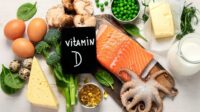
Ever wondered why some evenings feel “lighter” than others—like your appetite and mood are in sync, not at odds? Here’s a playful challenge to start: picture your dinner plate as a small orchestra. Now ask yourself, did you include the one vitamin that likes a fat escort to reach its full stage presence? Vitamin D is that quiet conductor. And for evening meals especially, choosing the right food sources—particularly those with fat—can make the difference between “something healthy” and “strategically nourishing.”
Why Vitamin D Craves Fat (Especially at Night)
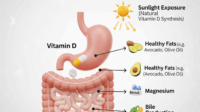
Vitamin D is fat-soluble, which means it travels and functions more effectively when dietary fats are present. In practice, this is not merely a nutrition trivia fact—it’s a dinner design principle. When you pair Vitamin D–rich foods with fat, your body has an easier time absorbing and utilizing it. The result can be more consistent support for bone health, immune function, and overall well-being.
Evening meals are an ideal moment to think about this. Your day’s eating patterns influence absorption, and meals later in the evening can be the perfect opportunity to “stack the deck” with fat-containing foods that also bring Vitamin D to the table. Think of it as giving Vitamin D a well-lit path rather than a dimly lit alley.
So, before you decide what to cook tonight, consider this: will your Vitamin D source arrive wearing its fat accompaniments?
Fatty Fish: The Dinner-Table MVP
If you want an easy, high-impact option, fatty fish is a top contender. Options like salmon, sardines, mackerel, and trout typically contain meaningful amounts of Vitamin D and naturally include fat. This combination is like a two-for-one deal: nutrients arrive together, and your meal chemistry becomes more cooperative.
For evening meals, fatty fish can be surprisingly flexible. You can roast salmon with lemon and olive oil, pan-sear sardines for a quick skillet dinner, or bake mackerel with herbs and a drizzle of butter. Short prep, strong payoff.
Practical pose for tonight: Imagine you’re flipping a coin—heads you choose salmon, tails you choose sardines. Either way, your Vitamin D mission is likely covered.
Cod Liver and Oily Fish Preparations (A Potent Ally)
Certain seafood preparations deliver Vitamin D in a remarkably concentrated form. Cod liver oil is especially notable, though it’s typically consumed as a supplement rather than a meal component. Still, it highlights a key concept: when a food is particularly rich in Vitamin D and includes fat, absorption tends to be more straightforward.
If you’re cooking with “oily” fish preparations—such as liver-based ingredients used in traditional dishes—aim to balance flavor intensity with vegetables and a modest carb base. That’s how you keep dinner satisfying without turning it into a flavor monolith.
Evening meals thrive on balance. Try pairing nutrient-dense fish with roasted vegetables and a sauce that contains healthy fat, such as olive oil, tahini, or a light cream-based dressing (if it fits your dietary preferences).
Egg Yolks: Small, Golden, and Surprisingly Strategic
Eggs are a classic, but the yolk is the star when Vitamin D is the goal. Vitamin D is present in egg yolks, and they naturally carry fat. That makes them a convenient “evening meal anchor” when you want something fast or flexible.
To build a Vitamin D–friendly dinner around eggs, consider dishes like a yolk-forward omelet, frittata, or eggs served with sautéed greens and olive oil. For extra absorption support, keep fats in the meal—think avocado on the side, cheese in moderation, or a buttered skillet base.
Long question, playful tone: Do you eat the yolk like it matters? If you do, you’re already halfway to a smarter dinner composition.
Fortified Dairy and Plant Alternatives (Vitamin D with a Fat-Friendly Framework)
Some foods are fortified with Vitamin D, including certain dairy products and selected plant-based alternatives. Fortification can be a helpful route when your dinner plan doesn’t include fatty fish or eggs every night. However, the fat aspect remains important—choose versions that contain some fat, or pair fortified foods with meals that include dietary fats.
For example, fortified milk or yogurt can work well in evening meals when paired with ingredients like nuts, seeds, or a drizzle of olive oil in savory contexts (yes, olive oil can be surprisingly compatible with certain savory bowls). Fortified yogurt can also become the creamy base for a dinner “bowl” with salmon, olives, or whole-grain toppings.
Short sentence, big idea: Fortified doesn’t automatically mean fat-friendly. The best approach is to check labels and build your plate intentionally.
Cheese and Yogurt: Comfort Foods with Nutrient Potential
Cheese and yogurt can contribute to Vitamin D intake indirectly through fortified products and—when applicable—through natural fat content that helps absorption of fat-soluble nutrients already in the meal. While Vitamin D amounts vary widely, these foods often help you create a dinner that’s both cozy and nutritionally aligned.
Use them as texture builders. Add cheese to roasted potatoes and vegetables, stir yogurt into sauces, or layer yogurt-based dips served with olive oil–drizzled sides. Your evening can be both warm and calculated.
Pose a challenge: Try making one dinner this week where the fat on the plate isn’t an afterthought—it’s part of the plan.
Beef Liver and Other Fatty Animal Foods (With an Eye for Moderation)
Organ meats like beef liver can bring nutrition density to the table. They often contain fats and a range of micronutrients, which can complement a Vitamin D–supportive meal framework. Still, organ meats are powerful—so portion and frequency matter.
When adding liver, treat it like a “spice of nutrition,” not the entire meal. Pair it with fiber-rich vegetables, a moderate starch, and healthy fats. If liver isn’t your preference, you can still borrow the method: include fatty animal proteins in your evening meals thoughtfully, not randomly.
Long sentence, practical payoff: When your dinner includes both nutrient-dense ingredients and dietary fat, your body is more likely to absorb and use fat-soluble nutrients efficiently.
Plant-Based Dinner Strategies: When Vitamin D Isn’t Always Obvious
Vegetarian or vegan evenings can absolutely be Vitamin D–aware. The twist is that Vitamin D naturally occurs more readily in animal foods, so plant-based dinners often rely on fortified products or careful meal planning. Fortified plant milks, fortified yogurts, and fortified spreads can help fill the gap.
Since Vitamin D is fat-soluble, include fats in your meal—olive oil, avocado, tahini, chia seeds, and nuts. Think of these as “absorption co-pilots.” They don’t replace Vitamin D entirely, but they make the nutrients you do consume more useful.
Try a creamy fortified smoothie at night—if you tolerate it well—or a savory bowl with olive oil, fortified plant yogurt as a sauce, and hearty toppings. The key is cohesion: fortified Vitamin D + dietary fat + consistent meal pattern.
Build a Vitamin D–Focused Evening Plate (A Simple Blueprint)
Ready to assemble a dinner that actually works with your body’s chemistry? Start with one Vitamin D–rich core food (fatty fish, egg yolks, fortified dairy or alternatives, or other fat-containing options). Then add fats that feel delicious, not forced. Olive oil, butter (if you use it), nuts, seeds, and creamy sauces all help round out absorption.
Next, add fiber and color. Vegetables, legumes, and whole grains support digestive harmony. They won’t “cancel” Vitamin D, but they improve meal quality and satiety.
Example evening flow: roasted salmon + olive oil–glossed vegetables + whole-grain side. Or an egg frittata with sautéed greens cooked in olive oil, served with avocado. Or fortified yogurt with nuts and fruit, paired with a fat-containing snack component if your day’s diet was lighter on fats.
Short wrap-up sentence: Your dinner should be both nourishing and intelligently composed.
Common Pitfalls (And How to Avoid Them)
The biggest pitfall is assuming “healthy” automatically equals “fat-friendly for absorption.” Low-fat meals can be nutritious, but if your Vitamin D source is present without dietary fat support, your absorption may be less efficient. Another pitfall is relying on one component while skipping the meal’s overall balance.
Also consider consistency. Vitamin D support isn’t just about one dinner—it’s about patterns. If you rotate fatty fish, eggs, fortified foods, and fat-containing sides, you’re more likely to create reliable nutrient intake over time.
Finally, pay attention to your preferences. Food that you enjoy is easier to repeat. Repetition is how nutritional strategies become sustainable.
Quick Visual Reminder: Curbing the Guesswork in Your Choices
When planning meals, it helps to reduce decision fatigue. Treat your dinner choices like a “guidance line” rather than a free-for-all. One clear rule can simplify everything: choose Vitamin D sources that pair naturally with fat, or pair them with fats you actually like.

Now the question returns, playful but practical: What will you cook tonight that includes both Vitamin D and a fat accomplice?