Imagine the uterus as a quiet garden—once verdant, now threaded with unexpected knots. Uterine fibroids are often described as benign growths, yet their presence can feel anything but gentle. Pain can arrive uninvited, bleeding can turn days into marathons, and fatigue can dull the mind like fog on glass. In this complicated landscape, vitamin D enters as a curious character: not a miracle worker, not a villain, but a nutrient with promising biological plausibility. The question many ask is direct and human: Does vitamin D help uterine fibroids shrink, slow, or ease symptoms?
Vitamin D: The Body’s Quiet Architect
Vitamin D is sometimes mistaken as “just a vitamin,” but it behaves more like a hormone-like regulator. It guides calcium metabolism and skeletal health, yes—but it also has a broader, more nuanced role in immune modulation, cell differentiation, and inflammation control. Think of it as an architectural consultant who studies the building’s blueprint: it doesn’t swing a hammer, yet it influences how walls hold, how repairs proceed, and how stress propagates.
In the context of uterine fibroids, vitamin D’s appeal is its potential to influence the cellular environment where fibroids arise. Fibroids are estrogen- and progesterone-sensitive for many people, and they also involve pathways linked to inflammation, oxidative stress, and growth signaling. If vitamin D helps regulate inflammation and cell behavior, it may indirectly shape fibroid activity—even if the outcome is not always “shrinkage” in the simple sense.
What the Evidence Suggests: Hope With Nuance
Research on vitamin D and fibroids does not read like a single straight road. Instead, it resembles a constellation—some stars align more clearly than others. Observational studies often find that lower vitamin D levels correlate with heavier symptom burdens or potentially higher fibroid prevalence. Other investigations examine whether correcting vitamin D deficiency improves aspects such as bleeding patterns or fibroid-related discomfort.
However, the most important nuance is this: vitamin D is not universally proven to shrink fibroids dramatically. Rather than promising instant remodeling, it may act as a supportive lever—helpful for some, limited for others. In practical terms, it’s best viewed as a symptom-support and deficiency-correction strategy, not a guaranteed fibroid eradication plan.
Can Vitamin D Shrink Fibroids?
Let’s translate the question into biological language. Fibroids are composed of smooth muscle-like cells and connective tissue. For shrinkage to occur, you’d expect shifts in growth signaling, inflammation, vascular dynamics, and extracellular matrix behavior. Vitamin D may plausibly influence these systems, but the clinical reality can be variable.
So what might “shrink” mean?
For some, it may mean a reduction in size over time. For others, it may mean less symptom intensity—lighter bleeding, fewer cramps, and improved overall energy. That distinction matters. A person can feel a profound difference even if the fibroid size changes modestly.
If vitamin D is low, correcting that deficiency is a rational first step. If vitamin D is adequate, the marginal benefit may be smaller. That’s not discouraging—it’s simply honest physiology.
How Long Does It Take to See Changes?
Time is one of the hardest variables in fibroid care. The body doesn’t remodel on a calendar. Vitamin D works gradually through gene-regulatory pathways and downstream immune effects. If you start supplementation after confirming low levels, improvements—if they occur—may take weeks to months.
Early changes often relate to the things that feel immediate: fatigue, general inflammatory tone, and sometimes menstrual symptoms. Structural changes in fibroid tissue are less likely to be rapid. Think of it like landscape restoration after rainfall: you might notice fresher ground sooner, while deeper regrowth takes season after season.
Because symptoms can fluctuate month-to-month, it’s valuable to track patterns rather than expecting a linear timeline. Consider monitoring menstrual bleeding, pain intensity, and energy levels alongside laboratory testing guided by a clinician.
Symptoms That Might Improve: Beyond the Size of the Mass
Fibroids can influence life in more ways than size alone. Common experiences include heavy or prolonged menstrual bleeding, pelvic pressure, cramping, and sometimes pain that travels like a nerve caught in a tight knot. If vitamin D helps modulate inflammation and immune signaling, it may contribute to symptom relief—especially in individuals with low baseline levels.
Potential areas of improvement may include:
1) Menstrual bleeding intensity: A hormonal-irritation loop can worsen inflammation; reducing that inflammatory environment may help.
2) Pelvic discomfort: Some people report less pain or pressure, even when imaging changes are subtle.
3) Fatigue and mood steadiness: Chronic symptoms can erode energy. Improved inflammatory balance may support resilience.
Still, it’s crucial to remember: symptom improvement does not automatically equal fibroid shrinkage. Fibroids and their effects are connected, but not identical.
Why Vitamin D Deficiency Matters for Fibroid Outcomes
Deficiency is like a dimmer switch. When vitamin D levels are low, regulatory systems can become less efficient. Immune responses may tilt toward prolonged inflammation, and tissue signaling may shift in ways that encourage unstable growth. Even if vitamin D is not the sole driver of fibroids, low vitamin D can act as an accelerant for an unfavorable internal climate.
For many people, the first concrete step is testing. Measuring 25-hydroxyvitamin D provides a clearer snapshot than guessing based on lifestyle alone. Sun exposure varies, skin pigmentation affects synthesis, and daily routine can place vitamin D intake below what the body needs.
When deficiency is corrected, the body often gains a more stable foundation for recovery and regulation. That foundation can influence fibroid-related physiology, even if it cannot rewrite the entire story by itself.
How to Supplement: Dosage, Safety, and Practical Strategy
Supplementation should be guided by a clinician, especially because vitamin D is fat-soluble and can accumulate. The goal is usually to correct deficiency and maintain an adequate range rather than megadose without oversight.
A practical approach often includes:
• Testing first: Confirm baseline levels.
• Choosing an appropriate dose: Based on deficiency severity and individual risk factors.
• Rechecking labs: Periodically assess response.
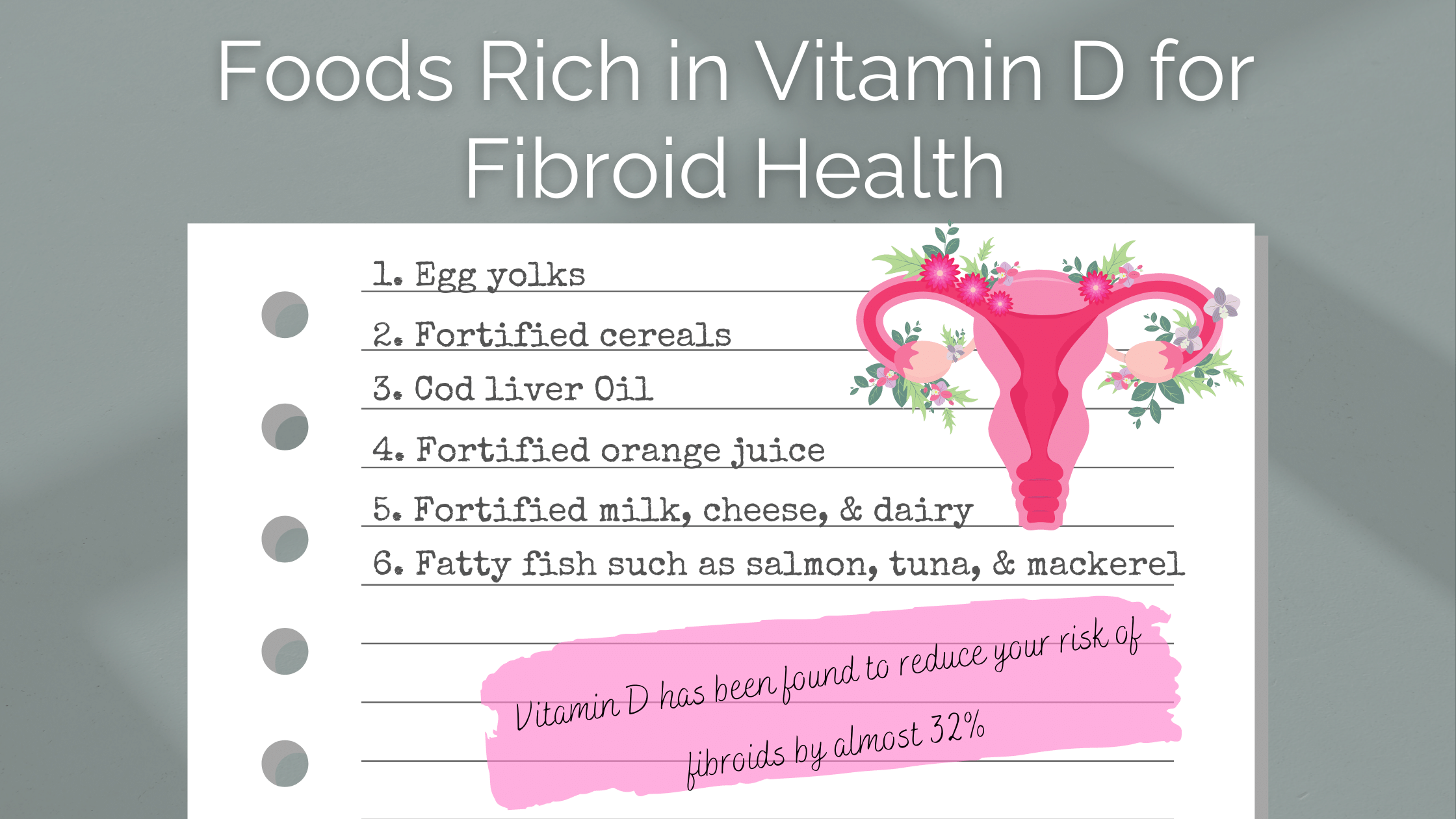
• Considering diet and lifestyle: Supplements may be useful, but they work best alongside nutrition and safe sun exposure when appropriate.
Safety matters. Too much vitamin D can raise calcium levels, creating complications. The aim is balance—like tuning an instrument, not blasting it with sound.
Vitamin D in a Bigger Treatment Picture
Fibroids are rarely managed with a single lever. Depending on symptoms, fibroid size, location, and reproductive goals, clinicians may discuss options such as hormonal therapies, tranexamic acid for heavy bleeding, iron support for anemia, or procedural interventions.
In that broader toolkit, vitamin D can function as a supportive component. Its unique appeal is that it addresses a modifiable factor—vitamin D status—that can affect inflammation and immune regulation. While it may not replace targeted fibroid treatments, it can complement them by improving overall biological readiness.
Think of it as strengthening the soil while other gardeners shape the pathways.
Lifestyle Signals: Sunlight, Nutrition, and Inflammatory Balance
Vitamin D does not live in isolation. Sunlight exposure influences natural synthesis. Diet can provide modest support. Meanwhile, the body’s inflammatory balance is also affected by sleep quality, stress regulation, and physical activity.
If fibroids are part of your life, it may help to consider lifestyle as a supportive chorus rather than a solo performance. Some people feel better with consistent movement, adequate hydration, and nutrient-dense meals. These steps don’t replace medical care. They may, however, improve the environment in which treatments—including vitamin D—have the best chance to help.
When to Seek Medical Attention
Severe bleeding, symptoms causing dizziness, signs of anemia (like shortness of breath or persistent fatigue), rapid changes in symptoms, or pelvic pain that escalates should never be brushed off. A clinician can evaluate fibroids through history, exams, and imaging when necessary. They can also interpret vitamin D labs in context—especially because symptoms have multiple potential causes.
Prompt care protects both health and peace of mind. Fibroids are common, but they deserve individualized attention.
Intriguing Possibilities and Realistic Expectations
Vitamin D for uterine fibroids is best understood as a hopeful thread woven into a complex tapestry. It has plausible biological pathways and real-world value for correcting deficiency—often the most actionable starting point. Some people experience meaningful symptom relief, while others see little measurable structural change. That variability does not negate vitamin D’s relevance; it highlights the need for personalized care.
Ultimately, the most compelling metaphor may be this: vitamin D is a regulatory lantern. It can illuminate the internal terrain and help the body operate closer to its preferred settings. Whether that leads to noticeable fibroid shrinkage depends on each individual’s physiology, baseline levels, and the broader treatment strategy.

.png)
When you’re living with fibroids, the best plan is often the one that merges realism with momentum. Test thoughtfully. Supplement safely. Track symptoms patiently. And let vitamin D be what it truly is—an ally that may help your body regain control, one regulated pathway at a time.