Pale skin can be so ordinary that people stop noticing it. Yet sometimes that “quiet” change is a signal—less about fashion, more about biology. Vitamin D deficiency, often associated with fatigue or bone discomfort, can also present itself through the skin’s appearance. The unsettling part is how easily pallor can be dismissed, as if the body is simply conserving color. In reality, it may be participating in a subtler conversation: hormones, inflammation, and even circulation all have something to say.
Pallor as a Common Observation: When Skin Looks Washed Out
Many people equate paleness with winter air, long indoor hours, or a lighter natural undertone. Those explanations are sometimes true. But pale skin can also appear when the body’s internal chemistry shifts. Vitamin D is not merely a bone-supporting nutrient; it functions like a regulatory messenger across multiple systems. When levels fall, the skin can look dull, slightly translucent, or “washed,” as though the glow has been muted.
It’s easy to miss because paleness doesn’t announce itself dramatically. Instead, it often creeps in—over weeks or months—accompanied by small changes: reduced sun-related warmth, sluggish energy, and a sense that something essential is missing. The skin becomes a canvas where internal processes show through, however faintly.
Here’s the key: pale skin can be an ignored sign, not a diagnosis. It’s a clue that deserves curiosity. And curiosity is where deeper reasons start to emerge.

Why Vitamin D Touches Skin Color: More Than Sunlight
Vitamin D’s relationship with skin isn’t one-dimensional. Yes, sunlight helps the body produce it. But once vitamin D is made—or supplied—it participates in processes that influence keratinocytes (the main skin cells), immune signaling, and skin barrier integrity. The result can be a complexion that looks less vibrant when deficiency is present.
When vitamin D is low, immune regulation can become slightly chaotic. That doesn’t always produce classic rashes. Sometimes it produces a more understated effect: dullness, an uneven “sheen,” or a pallor that feels oddly resistant to makeup and hydration. The skin may appear less “alive” even if it’s moisturized.
Additionally, vitamin D has links to inflammatory tone. Chronic low-grade inflammation can alter blood vessel behavior and microcirculation. Microcirculation is the secret influencer of skin appearance. Less efficient circulation often correlates with a paler look, especially on areas that normally show gentle color—cheeks, lips, and the under-eye region.
The Immunology Angle: Subtle Inflammation and the Loss of Glow
Skin glow is not just pigments. It’s also the reflection of health—cell turnover, immune balance, and vascular support. Vitamin D modulates immune responses, nudging them toward equilibrium. When that equilibrium slips, the skin can reflect the change.
Think of it like a symphony where one instrument is slightly off-tempo. The music continues, but it sounds flatter. With deficiency, immune signaling may tilt, which can contribute to skin that looks less resilient. People might describe it as “tired,” even when they’ve slept.
Some individuals notice concurrent skin dryness, roughness, or sensitivity. Others notice only the color shift. Both observations can fit, because vitamin D’s influence is broad—sometimes visible, sometimes quiet.
Common Co-Travelers: Fatigue, Weakness, and Bone-Deep Clues
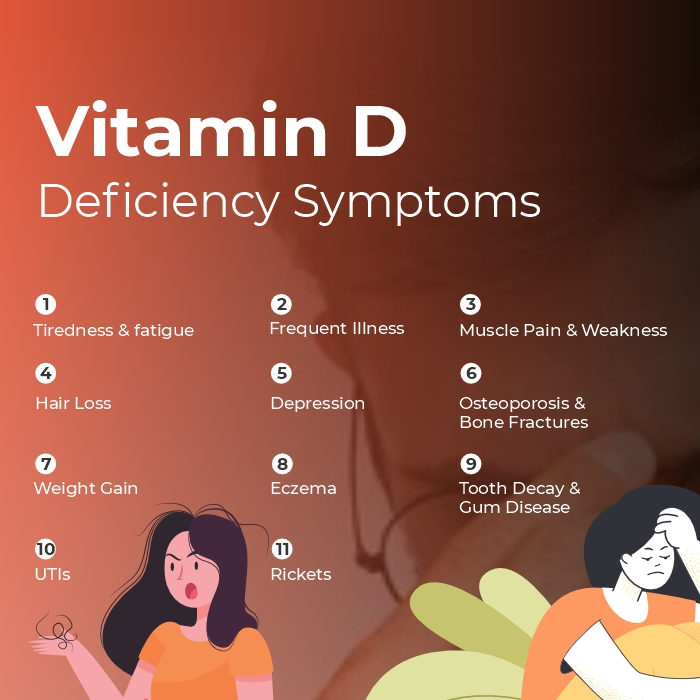
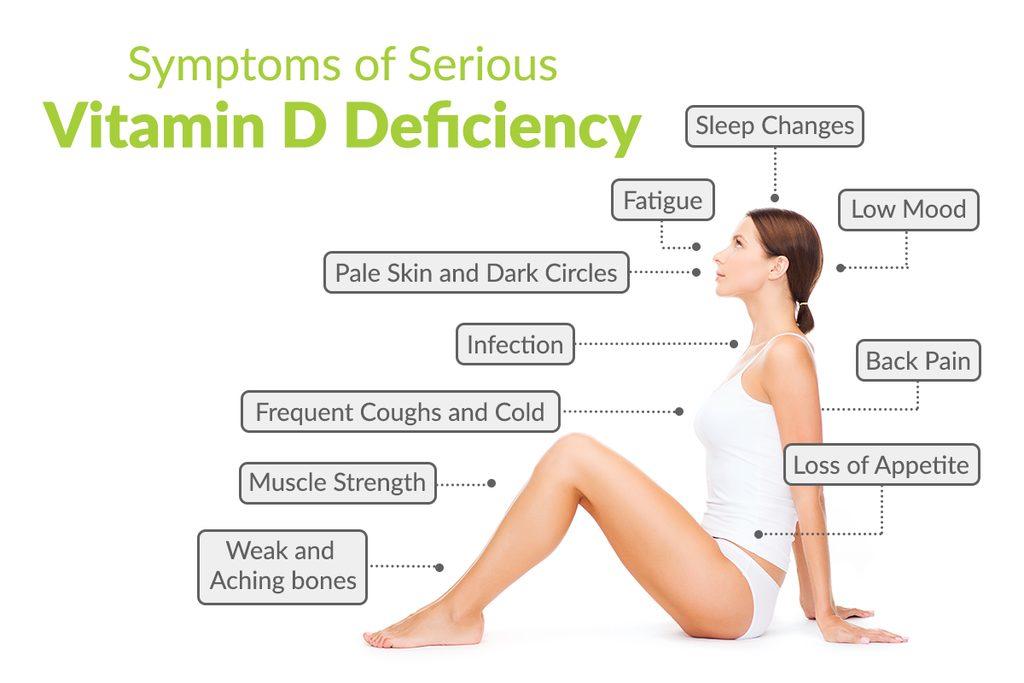
Pallor rarely arrives alone. Vitamin D deficiency often pairs with symptoms that people normalize. Fatigue that feels like a permanent background hum. Muscle weakness that becomes apparent when climbing stairs or lifting groceries. An aching sensation that seems “general,” especially in the back or hips.
Even if bone pain isn’t prominent, the body’s internal scheduling can shift. Calcium absorption becomes less efficient, and the musculoskeletal system can respond with discomfort. When energy falls and movement feels harder, many people stay indoors more—creating an additional loop that further limits sun exposure.
So, pale skin may be the external timestamp of an internal pattern. A pattern is easier to miss than a single symptom.
Why Some People Are More Vulnerable: The Hidden Risk Map
Not everyone lives under the same biological lighting. Vitamin D deficiency risk rises when sunlight exposure is limited, skin is frequently covered, or daily habits keep the body indoors. Geography matters too—latitude, cloud cover, and seasonal changes can reduce UVB availability.
Body composition is another variable. Vitamin D is fat-soluble, so it can be sequestered in adipose tissue, potentially lowering its circulating availability. Certain medications can also interfere with vitamin D metabolism. Dietary patterns that are low in vitamin D–rich foods can add to the vulnerability.
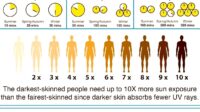
Then there’s skin itself. People with deeper skin tones often require more UV exposure to synthesize the same amount of vitamin D. That isn’t a universal rule, but it is a widely observed principle in how pigmentation interacts with vitamin D synthesis.
In short: paleness may be one visible marker, but the real story may lie in exposure, absorption, metabolism, and lifestyle.
Self-Interpretation Pitfalls: Paleness Has Many Possible Causes
Pale skin can result from anemia, dehydration, low iron, thyroid changes, stress, or even genetic undertones. It can be seasonal. It can be as simple as lighting and camera settings. Because of this, it’s risky to treat pallor as a single-cause mystery.
Still, pallor can be meaningful when it appears alongside other signs. If pale skin comes with weakness, bone discomfort, slow recovery after exercise, or frequent aches, the probability tilts toward nutritional or metabolic factors—including vitamin D.
Also consider context: if paleness has developed recently or noticeably, and it doesn’t correlate with lifestyle changes like decreased sleep, stress, or illness, it becomes more worth investigating. Biology often leaves breadcrumbs. It’s the pattern that matters.
What “Signs” Often Look Like Beyond Color: Dryness, Skin Texture, and Sensitivity
Some people associate vitamin D deficiency with visible skin problems. While presentations vary, skin dryness or roughness can sometimes accompany deficiency. Others may notice increased sensitivity or changes that resemble “winter skin,” even during milder months.
These changes may reflect skin barrier stress. The barrier is the skin’s outer treaty with the world; when it’s disrupted, the complexion can lose its evenness. The result may include a pale look that feels less “healthy” rather than merely light.
Taking the Next Step: Testing and Turning Clues Into Clarity
Because pale skin is non-specific, the best way to move from speculation to understanding is testing. A healthcare professional can evaluate symptoms, risk factors, and perform a vitamin D blood test—often measuring 25-hydroxyvitamin D. Sometimes they may also check related markers depending on the individual’s symptoms, such as calcium levels or markers of anemia.
This is where fascination becomes practical. Instead of guessing, you’re translating your skin’s hint into measurable data. That translation can reduce anxiety and help determine whether the pallor is tied to vitamin D deficiency—or something else entirely.
Testing also avoids the trap of excessive supplementation. Vitamin D is helpful, but too much can be harmful. Precision beats optimism.
Correcting Deficiency: Sunlight, Food, and Supplementation—With Strategy
Recovery is rarely instantaneous. Skin appearance may improve gradually as vitamin D status stabilizes and the body’s regulatory systems regain balance. Sun exposure can help, but it should be approached thoughtfully—enough to support vitamin D production, not enough to cause damage. Skin protection still matters.
Diet can contribute. Vitamin D–containing foods and fortified options may help, though many people still require additional support. Supplements can be useful, especially when deficiency is confirmed or risk is high. The dose and duration should be guided by medical advice and follow-up testing.
Consistency is the quiet hero. Pale skin doesn’t always change quickly, but improvement in energy, muscle comfort, and overall resilience may come sooner than the complexion fully shifts.
A Final Reframe: Pale Skin as a Prompt, Not a Verdict
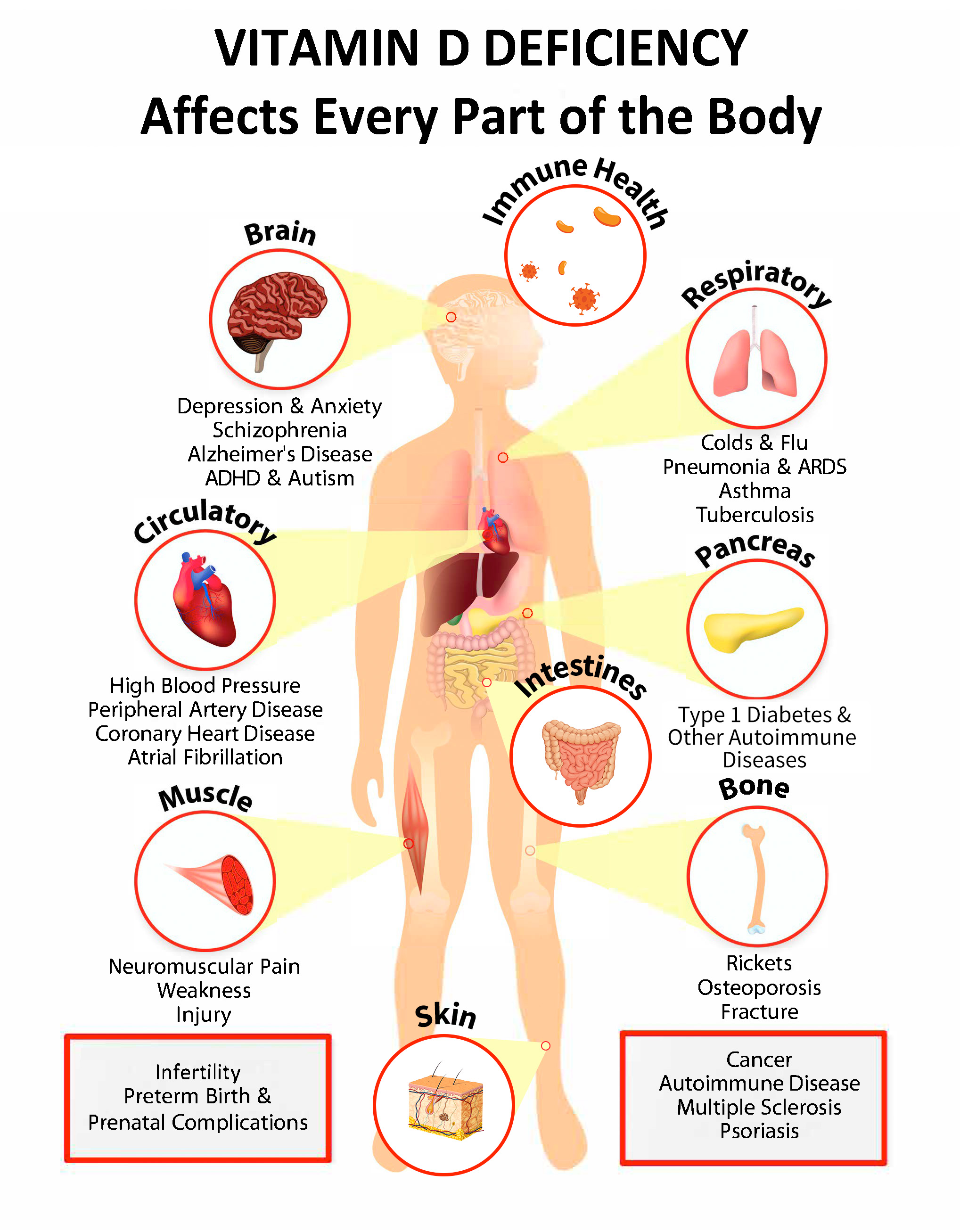
Vitamin D deficiency and pale skin are connected through a pathway of signaling, immune balance, microcirculation, and skin health. The neglected part isn’t the symptom—it’s the attention it receives. Pale skin is easy to rationalize, easy to conceal, and easy to ignore. But it can also be a prompt: a small signal that the body wants its missing resources restored.
When skin looks unusually pale, especially with other quiet symptoms, it’s worth taking seriously. Not dramatically. Not compulsively. Thoughtfully. Let the clue lead you toward clarity—because sometimes the body speaks in color, and the most helpful response is to listen.