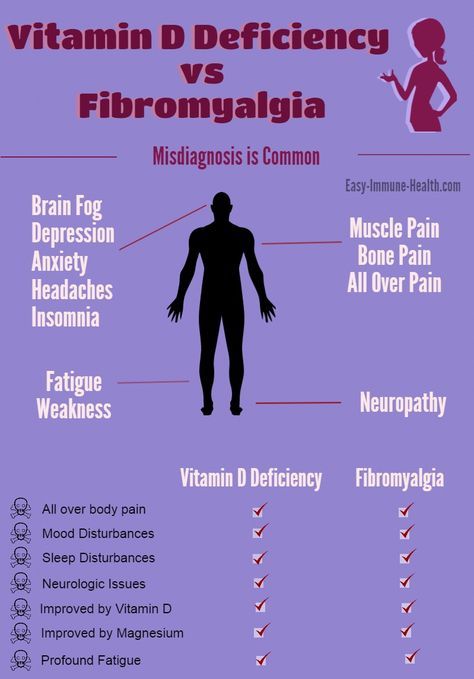
It often begins as a quiet complaint: “My muscles feel heavy,” “My body aches for no clear reason,” or “Something is off, and I can’t pinpoint it.” Over time, the ache may gather momentum—staying stubbornly present after rest, flaring during stress, and refusing to respect the boundaries of ordinary fatigue. In the background of this lived experience, vitamin D deficiency sometimes appears like a familiar silhouette: not always the sole culprit, but frequently part of the tangled web. The overlap between low vitamin D and chronic muscle aches—occasionally shadowing fibromyalgia—raises a question that feels almost paradoxical: how can a nutrient best known for bones end up shaping daily sensations as volatile as pain and tenderness?
Why chronic muscle aches feel so personal—and why that matters
Chronic muscle aches rarely arrive as a clean, single-note symptom. They tend to be polyphonic. A person might describe diffuse soreness, deep muscular fatigue, or a sensation of aching that migrates from one region to another. The intensity can fluctuate with weather, sleep quality, workload, emotional strain, and even interpersonal tension. This variability is one reason people become fascinated—perhaps even preoccupied—by the possibility of a biochemical driver. When the body changes its “volume knob” without warning, it encourages pattern-seeking. And when multiple body systems appear to participate—nervous system, immune signaling, muscle function—the mind naturally searches for a central thread.
Vitamin D deficiency fits into that narrative because it intersects with several pathways at once: neuromuscular performance, inflammatory modulation, and the regulation of pain signaling. It is not magic. It is systems biology wearing the disguise of everyday discomfort. The deeper fascination lies in the way small upstream changes can produce loud downstream experiences.
Vitamin D: more than bone maintenance
Most people learn vitamin D as a bone ally—supporting calcium absorption and skeletal strength. Yet vitamin D behaves like a multitasking regulator. It influences immune cell behavior, affects cellular communication, and modulates the expression of proteins involved in tissue repair. In muscle tissue, vitamin D contributes to functional integrity—helping maintain strength, coordination, and resilience.
When vitamin D is insufficient, muscles may become more vulnerable to minor stressors. That can manifest as lingering soreness, cramps, or a generalized sensation of “wear and tear” that appears out of proportion to activity. It is worth noting that deficiency can be subtle for long stretches. The body may compensate until the compensatory mechanisms are overwhelmed—then the symptoms become unmistakably chronic.
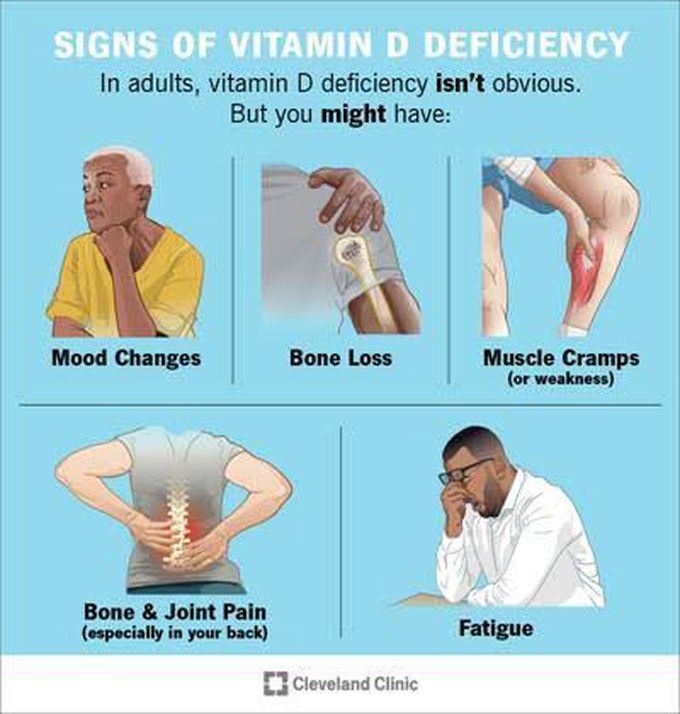
The physiology behind muscle pain: inflammation, nerves, and muscle chemistry
Muscle pain is often framed as a purely mechanical problem—too much exercise, awkward posture, or age-related deterioration. But chronic muscle aches can also be “biochemical.” Vitamin D deficiency may tilt the balance toward a more inflammatory milieu. Inflammatory signaling doesn’t just cause swelling; it can sensitize pain pathways. When pain receptors and nerve fibers become more reactive, the same stimulus that used to be tolerable can feel intense, prolonged, or intrusive.
There is also a nervous system component. Pain is processed in networks, not single points. Vitamin D participates in neuroimmune cross-talk, and that can influence how the body interprets sensation. Think of it as tuning: when the “pain threshold” is miscalibrated, the nervous system may amplify background discomfort. Over time, this amplification can resemble a fibromyalgia-like pattern—widespread tenderness, sensitivity, and an aching quality that persists.
Fibromyalgia overlap: when tenderness and fatigue echo vitamin D insufficiency
Fibromyalgia is characterized by widespread pain, fatigue, and heightened sensitivity to touch or pressure. Many people with fibromyalgia also report sleep disruption, cognitive fog, and stiffness. The overlap with vitamin D deficiency is compelling because low vitamin D can mimic certain aspects: aching muscles, reduced energy, and altered pain perception.
Importantly, overlap does not mean identical origin. Fibromyalgia is best understood as a condition involving central sensitization—where the nervous system maintains a heightened state of responsiveness. Vitamin D deficiency may not “cause” that state in every case. Yet it can contribute to the environment that makes it easier for chronic pain patterns to take root. If muscles are less able to buffer stress, if inflammatory tone is higher, and if pain signaling is more easily triggered, then the system may drift toward chronicity.
That is where the fascination deepens. The human body is not a collection of isolated organs; it is a conversational network. Vitamin D deficiency may act as one of the speakers in the conversation—sometimes one of the loudest.

Common reasons vitamin D becomes low: a checklist of real-life triggers
Deficiency often has a mundane origin. Indoor living can reduce sunlight exposure. Certain climates limit UVB availability. Skin pigmentation, clothing habits, and sunscreen use can further reduce cutaneous production. Age also matters: the skin’s ability to synthesize vitamin D decreases gradually over time.
Diet may be another lever. Many people do not regularly consume vitamin D-rich foods, and fortified options vary by region. Absorption issues—such as certain gastrointestinal conditions—can also lower effective vitamin D levels. Some medications may interfere with vitamin D metabolism, and chronic conditions can complicate the picture.
These triggers are important because they make the problem actionable. It isn’t just “mysterious pain.” It might be an addressable metabolic gap quietly developing while life keeps moving.
How deficiency is evaluated: thinking like a clinician, not a guesser
If chronic muscle aches are persistent, assessment helps reduce uncertainty. Clinicians typically evaluate vitamin D status using blood tests—most often measuring serum 25-hydroxyvitamin D. Reference ranges can vary across labs and guidelines, but the goal is to identify whether levels are insufficient relative to health needs.
Because muscle pain has many potential causes, vitamin D evaluation should be part of a broader clinical context. Doctors may also consider other contributors such as thyroid dysfunction, inflammatory markers, magnesium levels, anemia, and medication effects. This is not to dilute the vitamin D story; it is to honor the complexity of chronic symptoms. The body rarely has only one checkbox unchecked.
Treatment reality: correcting levels without expecting instant fireworks
Supplementation can be helpful when deficiency is confirmed, but it’s not always an immediate fix. Muscle soreness may improve gradually as vitamin D levels normalize and downstream processes rebalance. Some people notice subtle changes in weeks; others take longer, especially if multiple systems are involved.
Dose decisions are ideally guided by a clinician, considering baseline levels, risk factors, and comorbidities. Over-supplementation is also a consideration. The goal is equilibrium—not excess. When vitamin D is restored to an appropriate range, the body can resume more efficient signaling related to muscle function and pain modulation.
Yet vitamin D is rarely the only variable. Lifestyle factors—sleep quality, stress management, hydration, and movement—often determine whether improvement becomes durable or temporary.

Beyond supplements: movement, light, and the art of nervous system calibration
Addressing chronic muscle aches usually requires more than correcting a single marker. Gentle, consistent movement can improve muscle resilience and blood flow. Resistance training—scaled to comfort—may support strength and reduce perceived tenderness over time. Stretching and mobility work can reduce stiffness and the fear of pain that sometimes leads to avoidance.
Light exposure can also matter. Safe sunlight practices may help maintain vitamin D levels, particularly in seasons or settings where supplementation isn’t sufficient. However, sun is not a universal solution. Skin type, geographic latitude, and lifestyle determine feasibility.
Then there is the nervous system. Chronic pain often becomes self-reinforcing. Techniques such as pacing, mindfulness, breathing exercises, and cognitive reframing can lower the “noise” in pain processing. This isn’t psychological simplification; it is neurophysiological strategy. When pain networks are less reactive, the body can interpret sensation with more accuracy.
When to seek medical attention: red flags that shouldn’t be ignored
Most vitamin D-related aches are not emergencies, but certain features warrant prompt evaluation. Rapidly progressive weakness, unexplained weight loss, fever, severe swelling, neurologic symptoms (such as numbness or loss of function), or persistent severe pain that disrupts daily life should be reviewed by a healthcare professional.
If muscle pain is chronic and widespread, especially alongside fatigue and cognitive difficulties, assessment is wise. Chronic symptoms deserve structure: diagnosis, targeted treatment, and monitoring. Without that scaffolding, the body’s signal can become noise.
Conclusion: a nutrient clue within a larger pain constellation
Vitamin D deficiency and chronic muscle aches can overlap in ways that feel both familiar and unnerving. The ache is real; the pattern is often persistent; and the possibility of a correctable deficiency is inherently intriguing. Yet the deeper story is that vitamin D touches multiple pathways—immune tone, muscle function, and pain signaling—creating plausible bridges between low nutrient status and fibromyalgia-like sensations.
For anyone living with ongoing muscle aches, the path forward is not to chase a single cause blindly. It is to test responsibly, treat thoughtfully, and support the body with consistent habits. When the biochemical environment improves—and when the nervous system is given a chance to recalibrate—the chronic ache may lose its grip, not all at once, but in a steady, humanly understandable way.