What if your next sautéed spoonful could moonlight as a tiny vitamin D reservoir? That question sounds playful—until you realize vitamin D is one of those nutrients people chase with sunshine, supplements, and a little wishful thinking. Now consider a potential challenge: mushrooms are often treated as “healthy background actors,” yet not all varieties deliver the same amount of vitamin D. In other words, the difference between “mushrooms” and “vitamin D mushrooms” can be surprisingly dramatic.
Why Vitamin D in Mushrooms Feels Like Magic (But Isn’t)
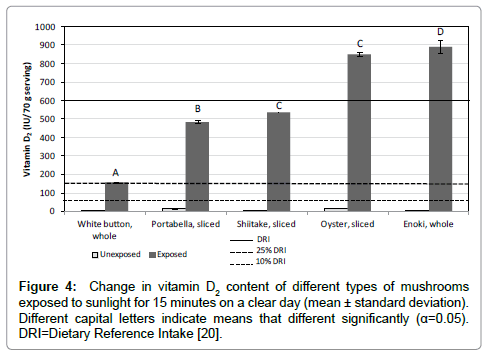
Vitamin D is not typically abundant in raw foods. Many plants and animals don’t synthesize it the way sunlight does. Mushrooms, however, have a distinctive capability: they can generate vitamin D when exposed to ultraviolet (UV) light. The process can convert naturally occurring compounds into forms that contribute to vitamin D intake.
This is where the plot thickens. Two bags of “mushrooms” might come from entirely different contexts—farm practices, harvest timing, and lighting conditions can all influence their vitamin D potential. So, the same variety name can still yield different nutrition outcomes.
Button Mushrooms: The Classic, Often Underestimated
Button mushrooms are the familiar, pale-capped option that shows up in salads, stir-fries, and weeknight casseroles. They are mild, versatile, and crowd-friendly. But ask about vitamin D and you may find an unexpected blank stare—because their vitamin D content depends heavily on whether they’ve been exposed to UV light.
When button mushrooms are cultivated without deliberate UV exposure, they tend to contain less vitamin D. Still, specialty production methods can change the narrative. Think of UV-treated button mushrooms as the difference between a “plain” flashlight and one with a phosphor coating—same device, more output.
Potential challenge: if you assume all button mushrooms are vitamin D equal, you may unintentionally underdose your dietary goal. A careful label check and informed shopping habits help reduce this risk.
Portobello Mushrooms: Big Flavor, Big Variable
Portobello mushrooms are the “brother of the button,” just grown with more presence. Their size invites grilling, roasting, and hearty fillings. They’re often positioned as a meat substitute, and while their culinary impact is substantial, their vitamin D story is conditional.
Portobellos can carry more vitamin D than non-UV varieties of smaller mushrooms, but the exact amount varies. In many cases, vitamin D content is boosted when mushrooms are intentionally exposed to UV light during or after cultivation. The result can be striking—yet it’s not guaranteed across all brands.
In other words, portobello isn’t automatically a vitamin D powerhouse. It can become one. You just need the right production “plot twist.”
Crimini and Cremini: The Earth-Toned Interlude
Crimini (often called cremini) sits in a middle ground—darker than button, still tender, and frequently used as an all-purpose sauté ingredient. It’s the culinary equivalent of a reliable supporting character: always ready, rarely controversial.
When it comes to vitamin D, crimini’s potential is influenced by the same overarching factor—UV exposure. Some production systems may yield moderate levels, while UV-processed versions can deliver a more compelling contribution.
Short version: don’t judge vitamin D by color alone. A deeper hue can suggest maturity, but vitamin D depends on biochemistry and light, not solely on appearance.
Oyster Mushrooms: Textural Charm Meets Nutrient Ambiguity
Oyster mushrooms bring a delicate, layered texture. They can mimic seafood-like flavors when cooked with the right aromatics—garlic, lemon, and a whisper of soy. Their culinary personality is bright, but their vitamin D intake potential can still swing depending on whether UV treatment occurred.
What makes oyster varieties intriguing is their adaptability. Whether they’re roasted on a sheet pan or simmered in a savory broth, their vitamin D contribution can complement meals that might otherwise be low in this nutrient.
Again, the challenge returns: variation is the norm. If you’re relying on mushrooms as a vitamin D strategy, treat production details as essential plot points, not fine print.
Maitake Mushrooms: The “Curly” Candidate for Vitamin D
Maitake—often recognized by its clustered, ruffled form—feels almost decorative, like an edible forest bloom. It’s popular for its flavor complexity and its role in wellness-centered diets. Yet vitamin D content isn’t a universal constant across maitake products.
As with other varieties, UV exposure can help elevate vitamin D levels. Some maitake products are produced specifically with UV illumination, which can make their vitamin D contribution more noticeable in dietary terms.
Here’s a playful thought: if your mushrooms look like nature art, should they also deliver nature’s “sun signal” nutritionally? The answer is yes—when UV exposure is part of the recipe.
Shiitake and Reishi: Aromatic Intensity, Light-Dependent Nutrition
Shiitake offers a savory, umami-rich profile that lingers. Reishi, meanwhile, tends to appear more in extracts and supplements than in typical dinner plates. Both have reputations in traditional and modern wellness contexts.
For vitamin D, the key point is that natural compounds in fungi can be converted via UV light exposure. If UV treatment is part of shiitake production, vitamin D levels can rise. If not, vitamin D may be modest relative to what people expect.
So while shiitake’s flavor may be bold, vitamin D’s presence can be more nuanced. In nutrition, intensity of flavor does not automatically equal intensity of vitamin D.
How Cooking Changes Nothing—and Something at the Same Time
Cooking mushrooms is delightful. Sauté them with onions, roast them until they caramelize, or toss them into a broth. Here’s the catch: the vitamin D created from UV exposure is relatively stable, but the total amount you ingest depends on how much you eat and what form you purchased.
Cooking affects water content and volume. A pan-fried serving might shrink compared to a raw weight expectation, yet nutrient density can remain meaningful. The real variable is not the sizzle; it’s the starting vitamin D level.
Think of cooking as amplification of flavor, not a guarantee of vitamin D enhancement. If you start with UV-rich mushrooms, cooking helps you actually consume them comfortably.
Choosing the Right Mushroom: A Practical “Vitamin D Detective” Checklist
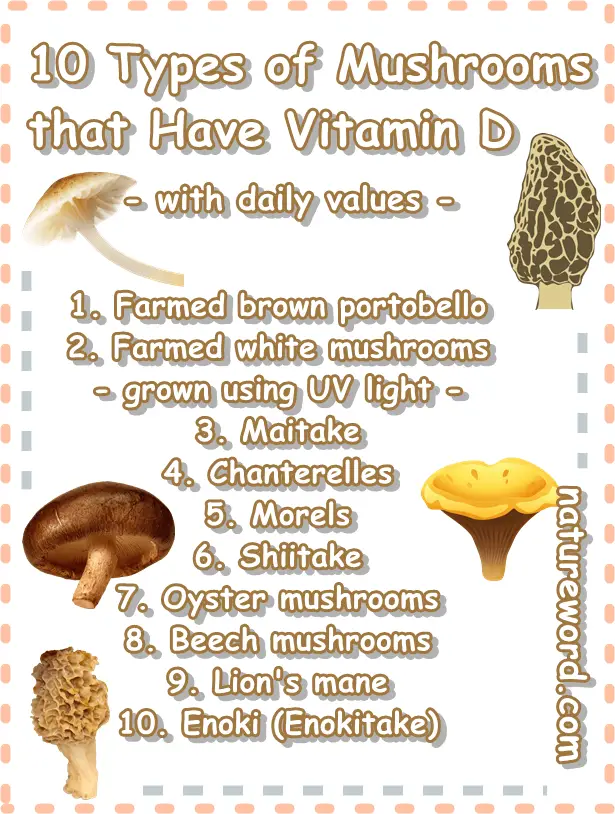
Ready for the detective work? If your goal is vitamin D, look beyond the variety name. Consider whether the product indicates UV exposure. When possible, compare brands or packaging claims. If a vitamin D chart for mushrooms is available, use it as a conceptual compass rather than a single definitive number.
Also consider portion size. Mushrooms are rarely eaten in massive quantities. Pairing mushrooms with other vitamin D sources—fortified foods, fatty fish, or a supplement if appropriate—can create a more resilient nutritional strategy.
And if you’re building a meal: use mushrooms for texture and flavor while using mindful sourcing for vitamin D. That combination is often where “healthy intention” becomes “healthy outcome.”
So, Button vs. Portobello: Which Wins the Vitamin D Spotlight?
There isn’t a single universal winner because both button and portobello mushrooms can differ based on UV treatment. However, in general terms, UV-exposed mushrooms across varieties tend to outperform non-UV counterparts. The “best” choice is often the one that is produced with deliberate UV exposure.
If you want a simple rule: don’t let familiarity blind you. A portobello can be more dramatic on the plate, while a button can be more frequently found and sometimes more readily available in UV-treated forms. The vitamin D spotlight goes to the mushrooms that were actually exposed to light.
So the playful challenge stands: next time you browse mushroom shelves, ask yourself—are these mushrooms just pretty for dinner, or are they vitamin D-enabled, too?