Ever catch yourself noticing your stride feels a little less springy—like your joints are taking inventory before each step? Bone health can quietly drift with age, especially for men over 50, and one nutrient often sits at the center of the conversation: vitamin D. The catch? Even if you’re dutiful about your diet, vitamin D levels can still sag—due to limited sun exposure, skin changes, dietary patterns, or simply the slow metabolism of time.
So here’s the playful question: if vitamin D is the “key,” why do some men still feel like they’re turning the lock with a butter knife? The challenge is real—choosing the right supplement, in the right dose, for your body’s needs, while avoiding common traps like underdosing, inconsistent timing, or skipping safety checks.
Why Vitamin D Matters for Bone Health After 50
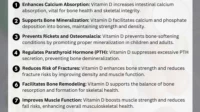
Vitamin D isn’t just a helpful side character—it plays a starring role in bone remodeling. Your bones are not static sculptures; they’re living architecture. Vitamin D supports calcium absorption in the gut, and calcium is the mineral mortar that keeps bones sturdy. As men age, bone turnover can shift, and the balance between bone breakdown and bone rebuilding may become less favorable. In that context, adequate vitamin D can help sustain mineral density and potentially reduce fracture risk.
Think of vitamin D as the foreman on a construction site. Without it, calcium can’t arrive efficiently, tools sit idle, and the structure eventually weakens—sometimes without dramatic symptoms until a fracture makes the problem obvious.
Common Signs Your Vitamin D Might Be Low
Vitamin D deficiency is notorious for being subtle. You might feel perfectly fine for months, then notice aches, fatigue, or vague muscle weakness. Some men report increased stiffness or slower recovery after physical exertion. While these signs aren’t exclusive to vitamin D deficiency, they can overlap with other issues such as low magnesium, insufficient protein, thyroid disorders, or decreased activity.
The more reliable approach is testing. A clinician can check your 25-hydroxyvitamin D level, the preferred marker for status. Consider it an X-ray, but for nutrient availability rather than bone structure.
How to Choose the Best Vitamin D Supplement (The Decision Matrix)
Choosing the best vitamin D supplement is less about picking the loudest label and more about matching the form and dose to your biology. First, consider the vitamin D type. The two main forms are vitamin D3 (cholecalciferol) and vitamin D2 (ergocalciferol). In many adult scenarios, vitamin D3 is often favored due to better or more consistent raise in blood levels.
Next comes dosage. For men over 50, needs vary depending on sun exposure, baseline blood levels, body weight, and diet. Overly conservative dosing may under-deliver; excessive dosing can increase risk. A common strategy is to follow clinician guidance or use evidence-based maintenance doses when levels are known to be adequate.
Finally, evaluate absorption aids. Vitamin D is fat-soluble, so supplements that are taken with a meal containing some fat are frequently more effective. Some products incorporate oils or carriers designed to improve uptake. If you’ve ever taken a “healthy” supplement on an empty stomach and wondered why it felt underwhelming, that’s likely why.
Vitamin D3: The Most Trusted Form for Men Over 50
For many men, vitamin D3 is the cornerstone option. It’s commonly available in softgels, tablets, and drop formats. Softgels can be particularly convenient if you prefer minimal fuss; drops can be ideal for those who dislike swallowing pills or want flexible dosing.
When you’re comparing brands, look for clarity: dose per serving, the presence of vitamin D3 (not a vague “vitamin D”), and a transparent formulation. If you’re prone to digestive sensitivity, a well-tolerated carrier can make consistency easier—which matters more than occasional hero doses.
Liquid Drops vs. Capsules vs. Tablets: What Fits Your Routine?
The best supplement is often the one you’ll actually take. Capsules and tablets are straightforward, but drops can offer finer control. Liquid forms may also be helpful if you travel frequently or want to adjust dose during seasonal sun changes.
Here’s the practical reality: vitamin D benefits depend on sustained intake. A sporadic approach is like checking your hydration only when you feel thirsty—it’s helpful, but it arrives late. Pick a format that blends into your day. Take it with breakfast, lunch, or dinner; tie it to something you already do.

How Much Vitamin D Do Men Over 50 Typically Need?
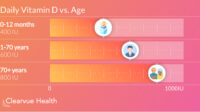
There isn’t a single universal number, because men over 50 can vary widely in baseline levels. Testing helps, but in general terms, many adults in this age bracket aim for a maintenance range rather than extreme megadoses. If you’re deficient, clinicians may recommend a repletion plan, then transition to a maintenance dose.
The key is balance: vitamin D is fat-soluble, meaning excess can accumulate. That’s why “more” is not automatically “better.” If you’ve ever doubled up on supplements without checking levels, this is where a more methodical approach pays off.
Best Practices: When and How to Take It
Timing is underrated. Since vitamin D absorbs alongside dietary fat, taking it with a meal can improve effectiveness. Many men find morning is convenient, but evening can work equally well—especially if your dinner typically includes some fat.
Consistency beats intensity. Set a weekly routine, not a daily improvisation. If you’re already taking a multivitamin, consider whether it contains vitamin D and how much, so you can avoid doubling inadvertently.
Pairing Vitamin D with Calcium and Magnesium
Vitamin D and calcium often travel together like a well-rehearsed duet. Vitamin D increases calcium absorption, while calcium provides the structural mineral. However, calcium intake should be assessed—through diet and supplements—because total intake matters.
Magnesium is another quiet supporter. It helps regulate vitamin D metabolism and can influence calcium handling. If your diet lacks magnesium-rich foods (such as nuts, seeds, legumes, and leafy greens), a magnesium supplement may be relevant—though it’s best to coordinate with medical advice, especially if you have kidney concerns.
Who Should Be Extra Careful (Safety Considerations)
Some men should be cautious with vitamin D supplementation: those with kidney disease, a history of kidney stones, certain granulomatous diseases, or those taking medications that affect calcium balance. If you’re on thiazide diuretics, corticosteroids, or anti-seizure medications, interactions may come into play.
Symptoms of excessive vitamin D can include nausea, constipation, excessive thirst, frequent urination, or confusion—often reflecting elevated calcium. This is not a “push through it” situation. If any of these occur, professional assessment is essential.
Fracture Risk, Bone Density, and Real-World Outcomes
Vitamin D supports bone health, but it isn’t a lone hero. Bone strength is influenced by resistance training, protein intake, balance work, and overall metabolic health. However, maintaining adequate vitamin D can be a valuable piece of the larger puzzle—especially when paired with a sensible lifestyle.
If your routine includes strength training and you’re mindful about nutrition, vitamin D can help your body use the calcium you already provide. It’s the difference between having the blueprint and actually being able to source building materials.
Action Plan: Find Your Best Vitamin D Supplement
Start with a simple strategy. First, consider testing your vitamin D level if you haven’t recently. Second, choose vitamin D3 (often preferred), and match the dose to your needs—preferably guided by results. Third, align it with a meal that includes fat to improve absorption. Fourth, review total calcium, magnesium, and other supplements to prevent overlap.
Finally, make it durable. A supplement that fits your life isn’t merely convenient—it’s physiologically meaningful. Your bones respond to patterns, not just purchases.
When you treat vitamin D like a dependable ritual rather than an occasional patch, bone health becomes less of a guessing game. And who knows? That “less springy” stride might start feeling a little more like you again.