If your muscles ache without a clear reason—no workout you can blame, no injury you can point to, no obvious cause—your body may be whispering a quieter message. Sometimes it’s not fatigue, stress, or “getting older.” Sometimes it’s something more elusive: a potential vitamin D deficiency. Vitamin D doesn’t just support bones in the background like a silent stagehand. It plays a starring role in the way muscles contract, recover, and communicate. When that signal gets muted, pain can feel like a riddle written across your days.
Muscle Pain Without an Origin Story
Unexplained muscle pain has a particular texture. It can be a dull, diffuse soreness that hangs around like fog. Or it can arrive sharply, as if your body suddenly forgot how to relax its own fibers. People often describe it as aching legs, tired thighs, or a heavy, low-grade burn in the back and shoulders. The unsettling part? There may be no single event to anchor the discomfort.
That’s where vitamin D enters the scene—quietly, but consistently. Unlike a one-time injury, vitamin D deficiency is often a slow decline. The result can be an ache that seems to accumulate in the background. Short sentences help, too, because the experience is often stark: “I hurt.” “I don’t know why.” “It’s not getting better.”
Vitamin D: The Unsung Conductor of Movement
Think of vitamin D as a conductor inside the body’s orchestra. Muscles aren’t just ropes pulling on joints. They’re living tissues responding to biochemical cues, and vitamin D helps coordinate several of the systems involved. When levels are low, muscle cells may become less efficient at maintaining strength and balance. You might still move, but movement feels less fluent—more effortful, less graceful.
There’s also the immune angle. Vitamin D participates in immune modulation, so when it’s insufficient, inflammation can become slightly more exuberant than it should be. That doesn’t mean every ache is “inflammation,” but it can mean the environment inside your tissues becomes less forgiving. Pain, then, isn’t random. It may be the body’s attempt to correct a mis-signal.
Where the Ache Shows Up Most
Vitamin D deficiency–linked discomfort often appears in places people rely on daily. Legs may feel especially vulnerable. Thighs, hips, and the lower back can become tender or achy. Some people notice a sense of weakness rather than pain alone—like their muscles tire faster than expected, even without dramatic physical activity.
Sometimes the pattern is subtle: soreness after a normal routine, stiffness upon waking, or discomfort that improves briefly and then returns. Not all cases follow the same script. Yet there’s a common feeling: the pain doesn’t match the story you tell yourself about causes.
Why “Low Sun” Can Translate Into Low Vitamin D
Vitamin D is unusual: a substantial portion is made by the skin in response to sunlight. So when sunlight is limited, levels can drift downward. That can happen across many modern realities—indoor jobs, seasonal changes, cloudy climates, sunscreen habits (often wise), darker skin pigmentation (which reduces vitamin D synthesis), and even clothing choices for cultural or practical reasons.
It’s tempting to treat vitamin D like an optional supplement rather than a functional nutrient. But in the body’s logic, it’s closer to a backstage blueprint. When the blueprint isn’t updated, muscle maintenance can become less precise. The outcome may be persistent aches that feel oddly unconnected to your lifestyle.
Symptoms That Travel With Muscle Pain
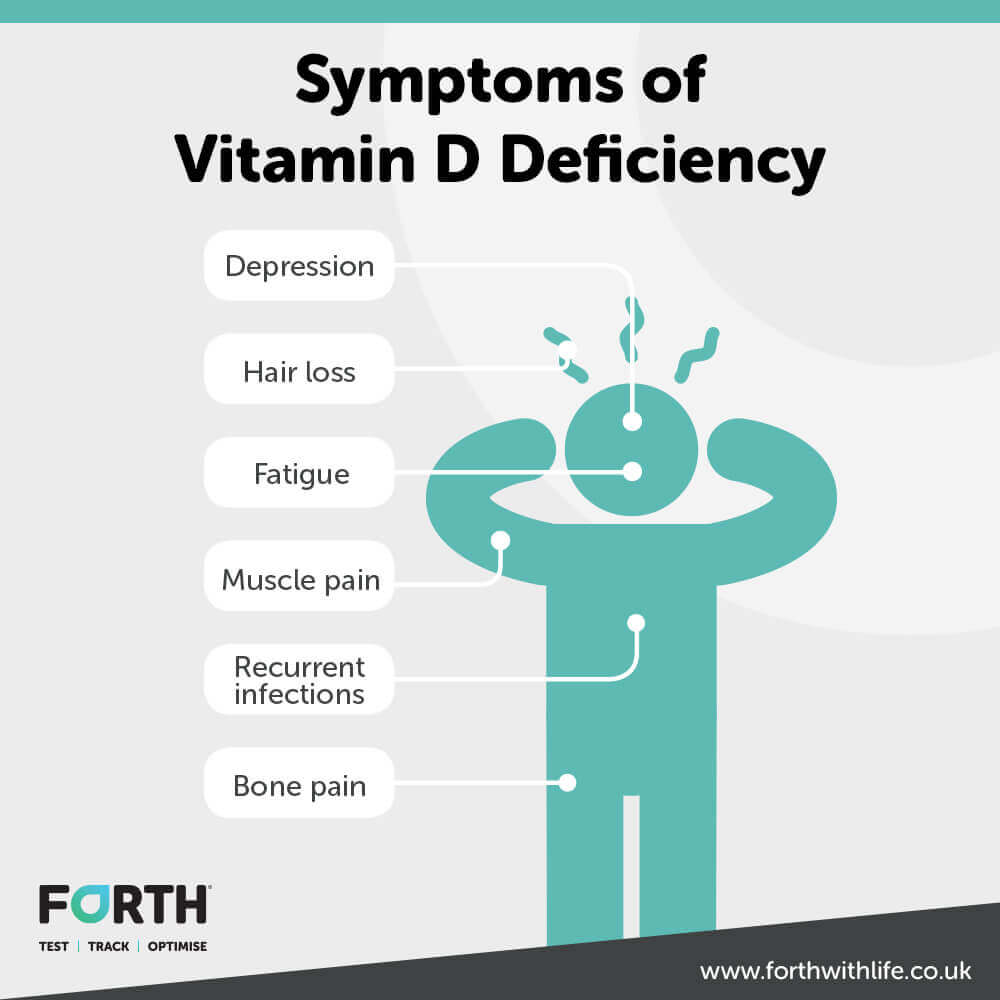
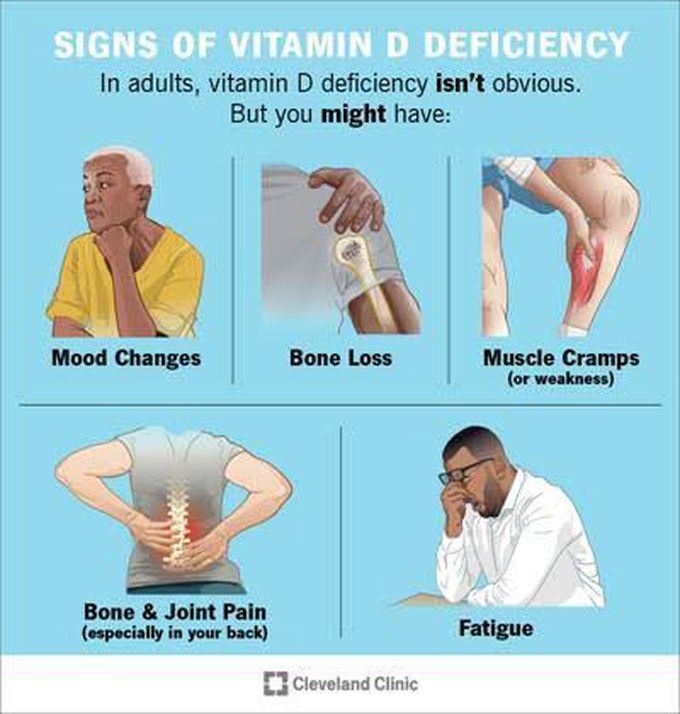
Muscle pain is only one chapter. Vitamin D deficiency can travel with other symptoms that, together, form a more coherent pattern. Some people experience tiredness that feels disproportionate—fatigue that doesn’t fully release even after rest. Others report mood shifts, a “low gear” feeling, or general aches in bones and joints.
Not everyone will have the same collection of signs. But when muscle pain blends with low energy and occasional stiffness, the picture becomes more persuasive. Your body can be poetic in its signals: soreness in the morning, fatigue by afternoon, discomfort that resurfaces after seemingly ordinary days.
How Stress and Inactivity Can Amplify the Signal
Even when vitamin D deficiency is the root, other factors may magnify the experience. Stress can increase inflammatory signaling and alter pain perception. Inactivity, meanwhile, can reduce muscle conditioning, making discomfort more noticeable. The loop becomes self-reinforcing: pain leads to less movement; less movement leads to further stiffness; stiffness heightens awareness of pain.
This is why it’s crucial not to dismiss “unexplained” pain as merely psychological or habitual. The mind and body intertwine, yes—but that doesn’t cancel out biological causes. Pain can be both real and multidetermined.
Testing: Turning Vague Pain Into Clear Information
If muscle pain is lingering, clarity helps. A blood test can measure vitamin D status, commonly reported as 25-hydroxyvitamin D. That number gives your clinician a tangible datum rather than relying on guesswork. It’s the difference between wandering in fog and using a compass.
Testing also helps rule out other potential contributors to muscle pain, such as thyroid problems, deficiencies in other nutrients, or inflammatory conditions. You don’t have to choose between possibilities. Good care often means building a layered understanding—one data point at a time.
When to Seek Medical Advice
Seek prompt medical advice if pain is severe, rapidly worsening, associated with weakness that affects daily function, or accompanied by unexplained symptoms such as fever, significant swelling, or numbness. If pain persists for weeks, returning again and again, it’s worth evaluating systematically rather than enduring quietly.
Some people can manage mild symptoms with lifestyle adjustments and medical guidance. Others need more direct intervention. The body’s volume of distress matters, and so does your safety.
Correcting Deficiency: Supplements, Sunlight, and Patience
When vitamin D levels are low, treatment typically includes supplementation and supportive strategies. The exact dose depends on results, personal factors, and clinician recommendations. Some people start with a structured “repletion” approach, then transition to a maintenance regimen. Sun exposure can help but is variable and not always reliable year-round.
Here’s the metaphor to keep close: vitamin D isn’t a fire you light instantly. It’s more like restoring water pressure to pipes—gradual, measurable, and essential for smooth motion. Muscle recovery may take time. You might notice incremental improvements: less morning stiffness, better endurance, reduced soreness after normal days.
Consistency matters. Small daily choices—nutrition, safe sunlight, adherence to guidance—can accumulate into meaningful change.

Dietary Sources: Helpful, but Often Not Enough
Food can contribute to vitamin D intake. Fatty fish, egg yolks, and fortified dairy or plant alternatives can help. Still, for many people, diet alone may not correct a deficiency—especially in winter or with limited sun exposure. This is one reason testing can be so valuable: it prevents the “hope-only” strategy.
Diet is rarely the sole lever. It’s better understood as part of a composite plan—like choosing ingredients for a recipe rather than expecting one spice to replace the entire dish.
Unique Appeal: Treating the Mystery with Empathy
Unexplained muscle pain can feel isolating. Friends may assume it’s stress. Colleagues may see you as fine because you still show up. But your body carries the evidence. The appeal of considering vitamin D deficiency is not that it offers a dramatic explanation—it offers an attentive one. It suggests the pain may have a biological foothold, a solvable imbalance behind the veil of uncertainty.
When you look for causes with care, you reclaim agency. You stop treating your discomfort as a riddle with no answer and start exploring with intention. And sometimes, the most intriguing solutions are the ones that don’t sound glamorous at first—until your muscles finally begin to feel like your own again.
A Simple Next Step
If your muscle pain lingers and the origin story remains blank, consider discussing a vitamin D assessment with a healthcare professional. Pair that with a mindful review of sunlight exposure, dietary habits, and overall wellness. Then give the process time. Your body often doesn’t change overnight—but when the signal is corrected, the improvement can be steady, credible, and profoundly relieving.