There is a peculiar kind of fatigue that doesn’t merely “pass with rest.” It lingers like a dim light behind closed eyelids—sluggish, mood-tilted, and oddly resistant to routine. Many people look for explanations in sleep hygiene, stress, or seasonal change. Yet, beneath those familiar culprits, another storyline often runs quietly in the body: the one connecting vitamin D and thyroid function. When mood issues start to behave like they have a biological agenda, vitamin D enters the conversation—not as a magic key, but as a plausible lever that can nudge emotional equilibrium. And once you begin to see the thyroid–brain relationship as a system, not a single organ, the question becomes less “Can vitamin D affect mood?” and more “How many mood experiences are actually endocrine echoes?”
A Mood That Seems Out of Sync: The First Clue
Imagine your brain as a conductor. Even if the orchestra is talented, the performance suffers when the baton arrives out of timing. Thyroid hormones are among the instruments that keep tempo—modulating energy availability, neurotransmitter dynamics, and even the brain’s stress responsiveness. When thyroid signaling drifts toward hypoactivity or hypersensitivity, mood can follow suit. People may describe sadness that feels heavier than usual, anxiety that feels sharper, or irritability that arrives with minimal provocation. Sometimes cognitive “fog” appears, and it’s not always dramatic enough to be dismissed as illness—just persistent enough to erode confidence.
Now add vitamin D into the frame. Vitamin D receptors aren’t restricted to bone metabolism; they also appear in immune cells and neural tissues. This means vitamin D may influence the inflammatory milieu and neurochemical signaling that often travels alongside thyroid dysfunction. In other words, mood issues may not be isolated experiences—they can be endocrine weather reports.
Thyroid Mood Biology: How Hormones Translate into Feeling
The thyroid gland produces hormones that act like metabolic interpreters. Triiodothyronine (T3) and thyroxine (T4) help regulate how cells consume energy and how tissues respond to neurotransmitters. In the brain, this can affect serotonin pathways, catecholamine sensitivity, and the fine-grained balance between activation and calm. The result is that thyroid states can imprint themselves onto mood, cognition, and motivation.
When thyroid function is insufficient, the emotional tone can shift toward low drive, emotional flattening, slowed thinking, and sometimes depressive symptoms that resemble “ordinary sadness” but persist. Conversely, excessive thyroid activity may amplify emotional volatility—restlessness, panic-like sensations, and insomnia-linked anxiety can create a sense of being perpetually “on edge.” This is not simply psychological; it is physiology, expressed through the language of the nervous system.
Where Vitamin D Fits: Beyond Calcium, Into Regulation
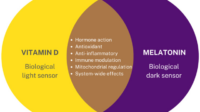
Vitamin D behaves less like a vitamin you “take” and more like a hormone-like regulator. After activation in the body, it influences gene transcription through vitamin D receptors. Those receptors can interact with immune signaling and inflammatory processes—an underappreciated bridge between the endocrine system and mental health.
Inflammation is a frequent accomplice in mood disorders. Chronic low-grade immune activation can alter neurotransmitter availability and receptor sensitivity, producing symptoms that feel psychological but are biochemically textured. Since thyroid dysfunction—especially autoimmune thyroiditis—often involves inflammatory pathways, vitamin D’s immunomodulatory role becomes relevant. It’s not that vitamin D replaces thyroid treatment. Rather, it may modify the inflammatory background in which thyroid issues and mood changes unfold.
Autoimmunity, Inflammation, and the Emotional Aftertaste
Some thyroid-related mood experiences are tied to autoimmunity. In conditions such as autoimmune thyroid disease, the body’s immune system targets thyroid tissue. That immune disturbance can create ripples beyond the neck—affecting energy regulation, cytokine signaling, and stress response. Mood symptoms may appear as part of that broader immune–endocrine conversation.
Vitamin D’s reputation here is not accidental. It participates in immune tolerance and can temper inflammatory signaling. When vitamin D status is low, the immune system may behave less like a disciplined orchestra and more like an unpredictable crowd. This shift could potentially influence autoimmune activity and, by extension, the hormonal environment that shapes mood.
Curiosity-worthy nuance matters: not every person with low vitamin D has thyroid autoimmunity, and not every thyroid patient has vitamin D deficiency. Still, the overlap invites a fresh perspective—one where mood isn’t merely “stress reacting,” but sometimes “immune–endocrine translating.”
Depression, Anxiety, and Brain Signaling: The Possibility of a Shared Pathway
Depressive symptoms and anxiety symptoms are often treated as standalone experiences. But endocrine conditions can produce them through biological routes that mimic familiar psychological patterns. In thyroid disorders, neurotransmission and brain energy utilization can change. In vitamin D deficiency, immune signaling and neuroprotective processes may be altered. When these systems intersect, mood symptoms can become tangled—like two knots pulled tight in the same rope.
Consider neurotransmitter modulation. Thyroid hormones influence how the brain responds to serotonin and other signaling molecules. Vitamin D, meanwhile, can affect the expression of enzymes and pathways tied to neuronal health and inflammatory tone. Even if the precise sequence differs among individuals, the shared theme remains: both hormones and mood can be co-authors of the same clinical narrative.
Fatigue, Brain Fog, and “Low-Grade Melancholy”
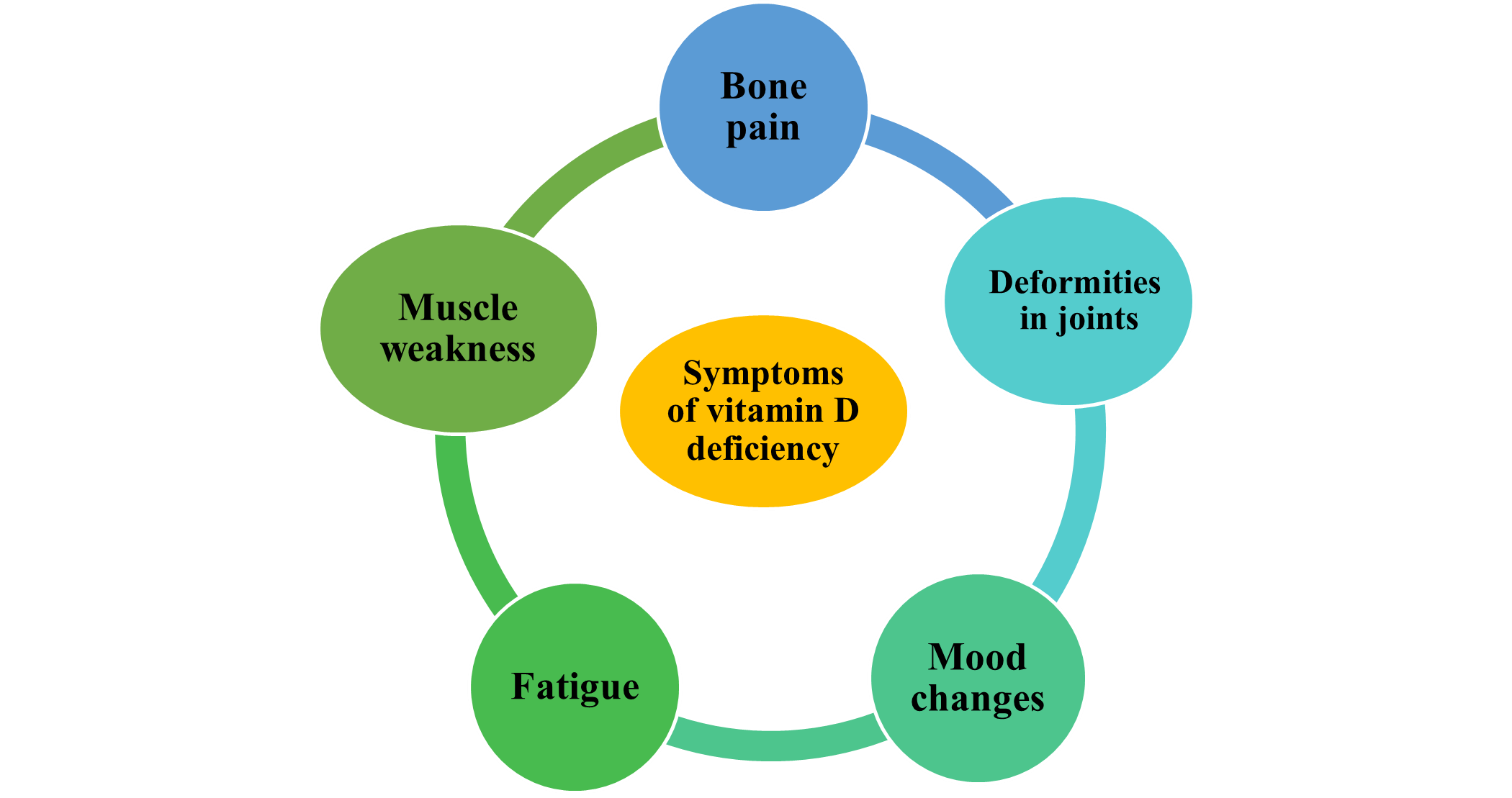
Some mood issues present less as sadness and more as a persistent erosion of cognitive clarity. People may describe attention that slips, memory that feels unreliable, or motivation that becomes inexplicably expensive. These complaints can occur in both vitamin D insufficiency and thyroid dysfunction, which makes sense when you remember that both systems influence cellular energy use and inflammatory signaling.
Thyroid imbalance can slow metabolic processes, and low vitamin D may contribute to immune dysregulation. Put them together and the result can feel like a constant dimming of mental brightness—an experience that can be dismissed as lifestyle fatigue until it becomes disruptive and chronic. The shift in perspective here is subtle: mood issues might be “metabolic-and-immune” rather than purely emotional. That reframe can encourage more targeted assessment instead of endless self-blame.
Sleep, Circadian Rhythm, and Emotional Variability
Sleep is an emotional multiplier. Poor sleep can magnify irritability, deepen low mood, and intensify anxiety. Thyroid hormones influence thermoregulation and energy dynamics that can affect sleep quality. If thyroid function is off, sleep can become fragmented, even when the person believes they are “trying hard enough.”
Vitamin D may also influence circadian physiology indirectly through immune modulation and general endocrine regulation. When someone feels emotionally labile—highly reactive, easily overwhelmed, unable to settle—sleep disruption is often part of the plot. The curiosity is not merely whether vitamin D “improves mood,” but whether it helps create a steadier biological stage where mood has less opportunity to wobble.
Hormone Testing and Practical Next Steps: A Thoughtful Approach
If mood issues persist, it’s reasonable to consider medical evaluation rather than guessing. Thyroid testing often includes measurements such as thyroid-stimulating hormone (TSH) and free thyroid hormones. Autoimmune markers may be considered when symptoms suggest an immune component. Vitamin D status can be assessed with 25-hydroxyvitamin D testing.
Importantly, correlation isn’t causation in every individual. Some people have low vitamin D but stable thyroid function. Others have thyroid abnormalities without vitamin D deficiency. Still, when both are present, addressing either may improve the overall landscape. The key is personalization: dosing and follow-up should align with clinician guidance and lab results.
In the best scenarios, mood care becomes less of a guessing game and more of an evidence-guided pathway.
Interpreting the Evidence Without Losing Your Mind
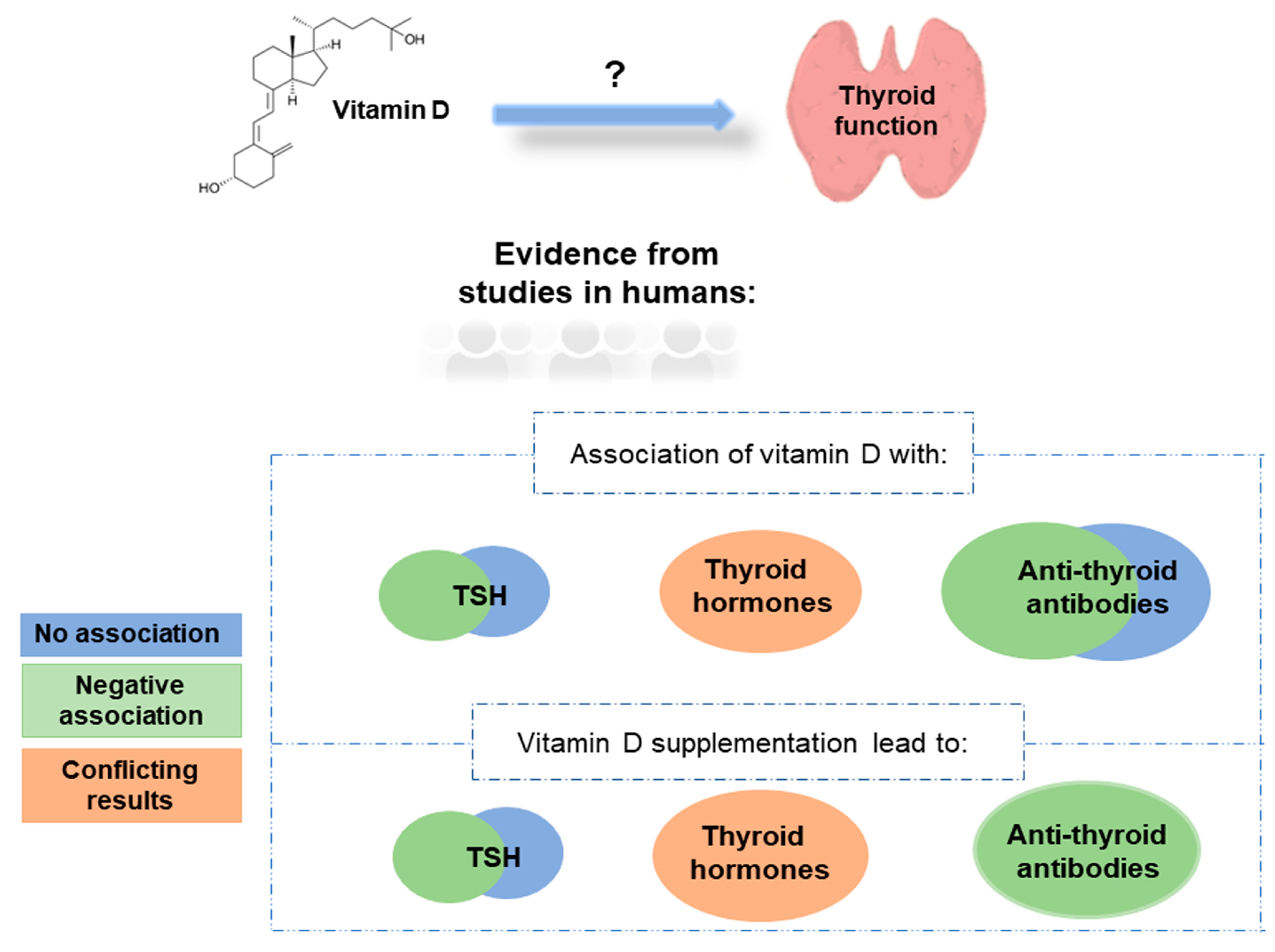
Research in this domain often explores associations: vitamin D levels and the prevalence of mood disorders, thyroid status and mood symptoms, or inflammatory patterns across conditions. Associations can be meaningful, but they don’t automatically guarantee a single linear mechanism. The body is too complex for neat cause-and-effect chains.
Yet, associations can still be clinically actionable. If low vitamin D is common, modifiable, and biologically plausible as an immunomodulator, then it deserves attention—especially when someone’s mood symptoms coincide with fatigue, cognitive fog, or thyroid-related clues.
This is the promised shift in perspective: from “mood is purely psychological” to “mood is also a biological signal.” Not a verdict. A signal.
A New Story for Hope: Small Levers, Better Understanding
Hope doesn’t always arrive as dramatic transformation. Sometimes it arrives as better questions. Instead of asking only why you feel this way, you begin to ask what systems might be contributing. A low mood that won’t resolve may reflect immune activity, thyroid hormone imbalance, sleep disruption, or nutrient insufficiency. Vitamin D sits at an intriguing junction of these influences.
When mood issues are understood as a multi-system symphony, the pathway forward becomes clearer: assess thyroid function, evaluate vitamin D status, address lifestyle contributors, and seek professional guidance for integrated care. Mood may still require psychological support—but it can also benefit from endocrine and immunologic attention.
Keeping Curiosity Alive: What to Watch For
As you explore this relationship, pay attention to patterns rather than isolated days. Do mood symptoms track with changes in energy, sleep quality, or temperature sensitivity? Are there fluctuations that align with periods of poor nutrition, reduced sunlight exposure, or stress spirals? These observations can guide more targeted testing and more coherent conversations with healthcare professionals.
Finally, hold a balanced stance: vitamin D is not a standalone cure, and thyroid conditions are not “just mood.” But the intersection between vitamin D and thyroid-related physiology offers a compelling framework—one that turns confusion into investigation and turns investigation into empowerment.

-200x112.jpg "天気による1日の気温の変化(問題)")