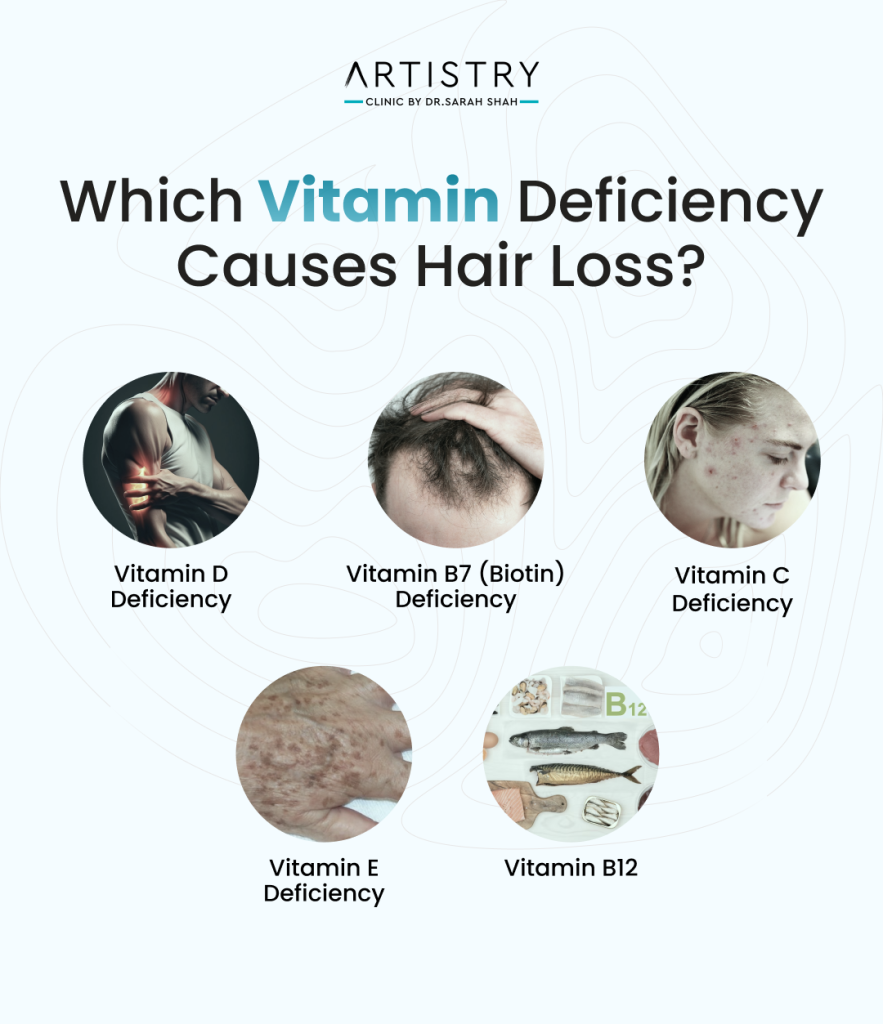
Ever caught yourself squinting at your scalp in the bathroom mirror, then wondering—is it the hair, or is it the vitamin? Vitamin D has been turning up everywhere in the hair-loss conversation, from alopecia forums to wellness blogs. But here’s the twist: it’s simultaneously both more credible than the hype suggests and more complicated than a one-vitamin-fixes-all narrative. So let’s pose a playful challenge—Can you spot the difference between a real biological link and a viral claim that’s doing the most? Grab a seat. This topic deserves more than quick headlines.
Vitamin D in plain terms: the “sun-and-signal” vitamin
Vitamin D is often described as the “sunshine vitamin,” but that nickname undersells its job. In the body, vitamin D behaves like a hormone-like messenger. It helps regulate immune function, cell growth, and inflammation—three processes that matter deeply for the hair follicle cycle.
Your hair doesn’t simply grow “until it doesn’t.” Follicles cycle through phases: growth (anagen), transition, and rest (telogen). Anything that perturbs immune signaling or inflammatory balance can nudge follicles toward shedding or delayed regrowth.
In this sense, vitamin D isn’t just a nutrient. It’s a regulatory conductor. And when the conductor is underpowered—say, due to low vitamin D—other body systems may start playing out of tune, including the scalp environment.
The real connection: immune modulation and follicle health
One of the most meaningful reasons vitamin D is linked to hair loss is its role in immune modulation. Hair follicles aren’t immunologically silent zones. They interact with the immune system continuously.
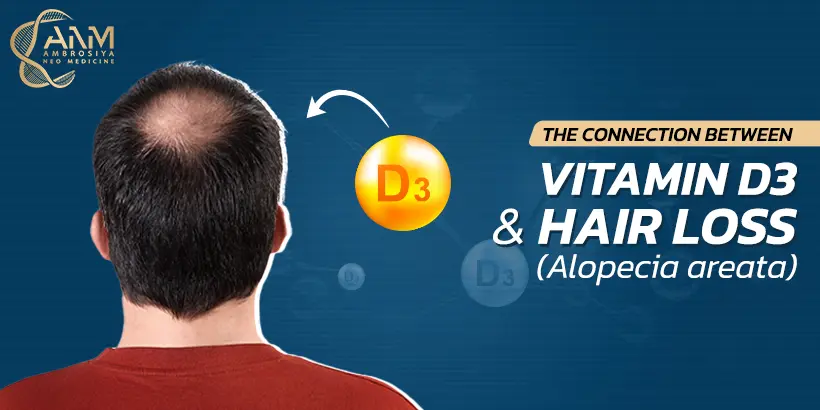
When immune regulation goes awry, the body may treat hair follicles as unwelcome. That immune confusion is a key theme in alopecia areata, where patchy hair loss can occur. Research interest often focuses on vitamin D because it may influence immune pathways involved in inflammatory activity.
Importantly, the relationship doesn’t imply inevitability. Low vitamin D doesn’t automatically cause hair loss; it may instead act as a cofactor—one piece of a bigger puzzle involving genetics, immune patterns, stress physiology, and nutritional status.
What’s hype: the “one deficiency to rule them all” myth
Now for the part that often feels like a marketing magic trick. Vitamin D gets blamed for almost everything: thinning, shedding, receding hairlines, eyebrow loss, and that sudden post-winter shedding spree. It’s tempting to think one deficiency explains it all.
But biology rarely follows simple plotlines. Hair loss can arise from multiple pathways: androgen-related miniaturization, telogen effluvium triggered by life events, nutritional gaps beyond vitamin D, thyroid dysfunction, scalp inflammation, and more.
So here’s the challenge you can test on yourself: if your timeline and symptoms don’t fit vitamin D’s typical story, don’t force the narrative. Correlation can look convincing, but causation is a stricter guest at the door.
How low vitamin D might show up (and why symptoms aren’t reliable)
Low vitamin D can be stealthy. Some people feel fatigued, achy, or low in mood, but others have no obvious signs. That’s why “I feel fine” doesn’t rule out deficiency.
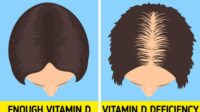
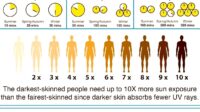
In hair contexts, vitamin D deficiency may coincide with shedding, but deficiency often travels with other factors: limited sun exposure, darker skin tones in high-latitude regions, indoor lifestyles, obesity, malabsorption conditions, and certain medications.
This is where the plot thickens. If vitamin D is low because absorption is impaired, addressing only vitamin D may be insufficient. The body’s ability to process nutrients can be the real culprit—like a library where the keys are missing, not the books.
Common hair-loss patterns and where vitamin D fits (and doesn’t)
Let’s map the terrain. In telogen effluvium, increased shedding often follows a trigger—stress, illness, surgery, significant weight change, or hormonal shifts. Vitamin D might be low during such periods, but the shedding is usually propelled by systemic disruption rather than a single nutrient deficiency alone.
In androgenetic alopecia (pattern hair loss), genetics and hormones play leading roles. Vitamin D may still matter indirectly through inflammation or immune effects, but it’s not the main driver for most people.
In alopecia areata, the immune connection is more prominent, making vitamin D a more plausible supporting character—possibly influencing inflammatory signaling.
In other words: vitamin D might be a key for some locks, a secondary ingredient for others, and pure coincidence for a few scenarios.
The scalp microenvironment: where inflammation whispers and follicles listen
Think of the scalp as an ecosystem with its own microclimate. Follicles, immune cells, sebaceous activity, and skin barrier function all contribute to whether hair growth feels welcome or unwelcome.
Vitamin D participates in pathways that can affect keratinocyte behavior (skin cells), immune balance, and inflammatory mediators. When inflammation is elevated, hair follicles can be pushed toward shorter growth phases or higher shedding rates.
This doesn’t mean “vitamin D = calm scalp,” but it does suggest vitamin D could help nudge the microenvironment toward stability, especially when deficiency is present.
Testing matters: measuring before supplementing
If you want the truth without guesswork, testing is your compass. The common lab measurement is 25-hydroxyvitamin D. That number provides a more accurate picture of vitamin D status than how much sun you’ve had lately.
But there’s a second testing layer many people miss: when hair loss shows up, a clinician may also consider iron/ferritin, thyroid markers, vitamin B12, zinc, and metabolic factors. Hair is rarely a solo performance.
Supplements without testing can create a feedback loop of disappointment: you may raise vitamin D slightly while missing the primary driver of shedding. The goal isn’t just to “take something.” The goal is to match the intervention to the mechanism.
Supplementation: potential benefits, dosage reality, and safety
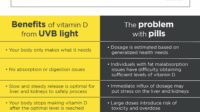
For people with confirmed deficiency, correcting low vitamin D can be beneficial for overall health and may help support hair-related pathways—particularly immune modulation. Yet the dosage conversation is where hype often goes off the rails.
“More” isn’t automatically “better.” Vitamin D is fat-soluble, meaning excess can accumulate. That’s why guidelines and clinician oversight matter, especially for individuals with kidney issues, sarcoidosis, or those taking medications that affect calcium balance.
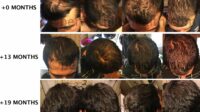
A practical approach tends to look like this: confirm with labs, address deficiency with an evidence-based plan, recheck levels, and evaluate hair response over time. Hair changes are slow; the follicle cycle doesn’t operate on social-media deadlines.

So what’s the verdict: real link or overblown obsession?
The honest answer is both. Vitamin D has a real biological plausibility, especially in immune-involved conditions such as alopecia areata. It may also play a supporting role when deficiency is present and scalp inflammation or systemic health is compromised.
At the same time, vitamin D is not a universal master key. Hair loss is a poly-causal phenomenon—an orchestra, not a soloist. When claims reduce it to one nutrient, the storyline becomes too tidy to be true.
A playful, practical next step you can take today
Here’s a challenge that doesn’t require perfect hair genetics. Review your hair-loss timeline, note any triggers from the past 2–4 months, and consider getting labs that include vitamin D (and often ferritin and thyroid markers, depending on your situation). Then—most importantly—choose an intervention based on evidence, not urgency.
Because the goal isn’t to chase vitamin mythology. It’s to restore follicle momentum with an approach that’s as nuanced as the biology itself. Your scalp is listening. Let’s speak in a language it actually understands.