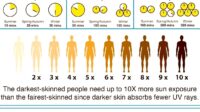
There’s a particular kind of morning alchemy that happens when your body wakes up ready to listen. Light spills across your routine. Water turns into momentum. And vitamin D—often treated like a vague “health supplement”—becomes a more deliberate tool. Not only for bones and immunity, but for hair too. If you’ve ever wondered whether the timing of vitamin D could shift the way your scalp behaves, this is where perspective changes. The morning isn’t merely “when you remember.” It can be when your body is most receptive to using what you provide.
Why “Morning” Feels Different for Vitamin D
Vitamin D is unusual among supplements. It’s not just a nutrient; it’s closer to a hormone precursor. That means it participates in signaling pathways—quietly, persistently—rather than delivering immediate, obvious effects the next time you wash your hair. Morning dosing aligns with the body’s natural circadian rhythm, when regulatory systems tend to be more synchronized. Think of it as giving your biology a head start, rather than forcing it to catch up later.
In the morning, you’re also more likely to keep the habit consistent. Consistency is a form of “scalp stability,” especially if you’re chasing improvements related to shedding, thinning, or overall hair quality. A single dose rarely transforms hair overnight. But daily timing can influence how reliably your system integrates vitamin D signals over time.
And then there’s the psychological component—often underestimated. Morning supplementation becomes part of a narrative you can live inside: “I’m investing in my hair health from the first hour of the day.” That mindset encourages adherence, and adherence is where results are forged.
The Hair-Benefit Promise: Not a Miracle, a Shift
If vitamin D helps hair, it’s rarely in the way people hope for—like a dramatic switch being flipped. The more realistic promise is subtler: improved scalp conditions, potentially better follicle function, and a reduction in the “background noise” that contributes to hair fragility. Vitamin D is associated with pathways that influence hair follicle cycling and immune regulation in the scalp.
Imagine your scalp as a climate system. When it’s stressed—by inflammation, oxidative load, or imbalances—hair can become more vulnerable. Vitamin D doesn’t behave like a hair dye or a thickening spray. Instead, it may help create a more favorable internal environment for growth cycles to proceed with less interference.
That’s why morning dosing matters. When the body begins the day in a state of readiness, your supplement has a better chance of being processed smoothly and integrated consistently into daily routines.
Pairing Vitamin D with Absorption: The Food Window
Vitamin D is fat-soluble. That fact changes the entire choreography of “when” you take it. Morning dosing works best when there’s dietary fat nearby. The body doesn’t simply receive vitamin D and set it down. It needs the right context to absorb it effectively.
Consider breakfast as a delivery system. If you take vitamin D on an empty stomach, absorption may be less reliable. If you take it with a meal—especially one containing healthy fats—you’re more likely to support the supplement’s bioavailability. This is one of those practical truths that feels almost too simple, yet it can be the difference between “I’m doing everything” and “I’m actually doing it efficiently.”
Try pairing vitamin D with foods like eggs, yogurt, olive oil-based dishes, nuts, or avocado. You don’t need an elaborate meal—just enough fat to help absorption happen like it was meant to.
Morning Timing: How Soon After Waking?
You don’t need to take vitamin D the moment your eyes open like a ceremonial bell. But there is value in moving it earlier rather than later. A common approach is to take it within an hour or two of waking, ideally with breakfast or right after. This creates a predictable pattern that your body can anticipate.
Some people prefer to start with water, then eat, then take their supplement. Others take it at the end of breakfast. Both can work. The key is creating a routine that includes food and keeps your dose consistent across days.
Consistency often beats optimization. Still, if your goal is hair benefits, absorption and regularity are the twin engines. Morning dosing can be the lever that pulls both forward.
Realistic Expectations: What Improvements Look Like
Hair operates on a slower tempo than most skincare or supplement trends. If you’re hoping for noticeable results—less shedding, improved density, a stronger feel—you typically need patience measured in weeks and months, not days. Vitamin D influences systems that support follicle cycling and scalp environment, so progress can show up gradually.
Early changes may be subtle: hair feels slightly less coarse, you notice fewer strands on your brush, or you see improved scalp comfort. Later, you might observe more consistent growth and better overall texture. These are not guaranteed outcomes for everyone, but they are plausible shifts for those whose hair patterns correlate with vitamin D status.
By taking vitamin D in the morning, you’re not chasing instant gratification—you’re building a steady infrastructure for your hair’s growth narrative.
Curiosity Check: Could Your Scalp Be “Listening” More in the Morning?
Here’s a question worth holding like a small spark: what if the scalp’s immune microenvironment responds differently depending on when you introduce supportive nutrients? The body’s hormonal signals and inflammatory regulation follow daily rhythms. Morning dosing may place vitamin D signals into an atmosphere of heightened coordination.
It’s a perspective shift: instead of treating vitamin D like a standalone pill, treat it like part of a morning ritual that synchronizes with your metabolism. You’re not only taking vitamin D—you’re scheduling it.
Curiosity leads to better experimentation. If you’re tracking hair shedding or scalp symptoms, morning dosing offers a clean variable: same dose, same time, different days. That clarity can make your results easier to interpret.
How to Build a Morning Routine That Doesn’t Fight You
The best time is the time you can actually sustain. A “successful” routine is one that survives weekdays, travel, and mornings that begin with chaos. Keep the process streamlined. Place the supplement next to your toothbrush or morning glassware. Use a weekly reminder if necessary.
Consider a small sequence: wake → breakfast → vitamin D → water. The repetition reduces friction. And reduced friction increases the likelihood that you’ll take it long enough to see whether it helps your hair.
Also, pair your morning supplement with supportive habits: gentle scalp care, adequate protein, hydration, and a diet that doesn’t neglect micronutrients. Vitamin D is a piece of the puzzle, not the entire picture.
Safety Notes: When to Consult and What to Watch
Vitamin D isn’t infinitely scalable. Too much can be harmful. The most prudent approach is to align dosing with professional guidance, especially if you have medical conditions, take other supplements, or have had recent lab work showing your vitamin D levels.
If you notice unusual symptoms—persistent nausea, excessive thirst, or kidney-related concerns—pause and seek medical advice. Hair concerns are important, but they should never override safety. The goal is hair support with disciplined dosing, not reckless supplementation.
For many people, morning dosing is a comfortable, consistent option—provided the amount is appropriate.
Small Visual Reminder: Your Morning Setup
Even a small setup can change your behavior. Place your vitamin D where you’ll see it. Make it part of your breakfast rhythm. The most powerful ingredient in any supplement routine is the one you control: timing paired with consistency.
Closing Perspective: Morning as an Invitation to Change
Taking vitamin D in the morning isn’t about chasing a trend. It’s about inviting your body to receive it in a moment of natural readiness—when your routine is stable, absorption is more likely to be supported by breakfast, and adherence becomes easier. Hair benefits, when they come, arrive like weather: gradually, unmistakably, and sometimes only after you’ve stopped obsessing and started letting time do its work.
Start earlier. Keep it simple. Let morning become the cue that you mean it. And if your hair has been waiting for the right internal environment, this could be the timing shift that finally helps it begin.