Vitamin D is a quiet architect in the body—its work happens far from the spotlight, yet it shapes everything from bone integrity to immune resilience. Still, even the best supplement can feel like a ship with an excellent captain but imperfect winds. What often determines whether vitamin D truly travels where it should is dietary fat. In the same way a sponge drinks water, fat helps your body “soak up” vitamin D and carry it through the bloodstream with purpose.
Why High-Fat Meals Make Vitamin D Feel “Louder”
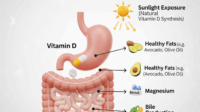
Vitamin D belongs to the club of fat-soluble vitamins. That means it doesn’t disperse freely in watery digestive environments; it prefers a richer medium. Think of your stomach and intestines as a bustling marina. Vitamin D is a yacht that won’t perform optimally in a dock full of foam. With the right amount of dietary fat, it can dock more efficiently, unload its cargo, and participate in the body’s metabolic choreography.
When you take a vitamin D supplement alongside high-fat meals, several things improve at once: absorption, transport through bile-mediated pathways, and overall bioavailability. The result can be a steadier rise in circulating vitamin D status—less “maybe,” more “measured momentum.”
Choosing the Right Fats: Not All Richness Is Equal
High-fat doesn’t automatically mean high-quality. Some fats are like well-trained couriers; others are like delayed messengers. Aim for meals that feature fats with better tolerability and nutritional complements—monounsaturated and polyunsaturated fats, along with certain saturated fats in moderation.
To sharpen the signal, consider fats that also provide supportive micronutrients. Olive oil often brings antioxidants. Nuts contribute magnesium and fiber. Fatty fish adds omega-3s, which may support inflammatory balance. This blend can make a vitamin D strategy feel less like chemistry homework and more like a culinary system.
Salmon and Other Fatty Fish: The “Sun-Delivered” Classic
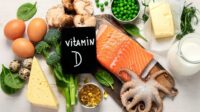
Fatty fish is one of the most intuitive choices—because it is both a nutrient package and a cultural symbol of abundance. Salmon, sardines, mackerel, and trout contain meaningful amounts of fat and provide omega-3 fatty acids that bring an extra layer of health synergy.
Pair a vitamin D supplement with a meal like baked salmon drizzled with olive oil, served with roasted vegetables and a buttery finish. This is not just dinner. It’s a well-directed route for fat-soluble absorption.

Long sentences, but simple logic: fat makes vitamin D travel. Fish makes fat feel intentional.
Egg Yolks: Small Orbs of Practical Power
Egg yolks are culinary micelles in spirit—rich, compact, and remarkably effective in meals designed for fat-soluble uptake. Many people focus on protein from egg whites, but yolks hold the fat profile that matters here.
Try a meal of whole eggs—scrambled with olive oil or butter—and add avocado or sautéed greens. The combination provides both fat and a broader nutritional tapestry. It’s a “breakfast that pays dividends,” especially when you time your supplement with the meal.
Avocado and Olive Oil: Smooth High-Fat “Guidance”
Avocado is often described as creamy, but the real story is its fat structure. It provides monounsaturated fats that help turn your digestion into a friendlier environment for fat-soluble nutrients.
Olive oil, meanwhile, behaves like a culinary conductor. A drizzle over salads, roasted vegetables, or grain bowls can elevate the entire meal from ordinary to absorption-ready. Combine the two: avocado toast with olive oil, plus a sprinkle of seeds or nuts, and you have a fat-forward plate that still tastes light.
Full-Fat Dairy: Cream as a Transport Partner
Full-fat dairy—such as Greek yogurt, whole milk, and certain cheeses—can be an elegant approach. These foods offer fat that supports vitamin D uptake while also bringing protein and calcium, which aligns naturally with vitamin D’s role in bone health.
Consider a bowl of Greek yogurt topped with berries, walnuts, and a spoon of honey. Or warm milk with cinnamon and a swirl of nut butter. This is comforting nutrition, not a compromise.

Nuts and Nut Butters: The Crunchy Logistics Network
Nuts are compact repositories of fats, fiber, and micronutrients. They also make meals more satisfying, which can improve adherence to supplementation routines. Nut butter—such as peanut or almond—can turn a simple smoothie or oatmeal bowl into a high-fat vehicle.
For example: a smoothie with full-fat yogurt or milk, a spoon of nut butter, banana, and chia seeds. It’s a portable strategy for people who want nutrient density without culinary fuss.
Dark Chocolate (In Moderation): A Pleasure-Led Strategy
Yes, dark chocolate can be part of this story. It contains fat (and beneficial plant compounds), and it can improve the “motivation to finish the meal.” That matters more than many people realize. Adherence is not a footnote; it’s the spine of any long-term nutrition plan.
Choose modest portions and pair them with other fat-containing foods rather than relying on chocolate alone. Think of it as a garnish with a purpose—an edible punctuation mark.
Meal Timing and Portion Planning: The Art of the “Fat Window”
Absorption isn’t only about what you eat—it’s also about when you eat it. Taking vitamin D with a meal that contains dietary fat often improves the process compared with taking it on an empty stomach. Imagine the body setting a stage: fats arrive first as the backdrop, and vitamin D performs best when the scene is ready.
Portion matters too. You don’t need to drown your dinner, but you also don’t want a “diet plate” with almost no fat. A practical target is to include a clear source of fat in the meal—like a drizzle of olive oil, a serving of fatty fish, or a few tablespoons of nut butter.
If you have medical considerations, discuss specifics with a healthcare professional, especially if you manage lipid disorders or conditions affecting digestion.
Putting It All Together: Intriguing Meal Combinations
Instead of thinking in isolated ingredients, think in compositions—meals that naturally contain fat while still tasting vibrant. Here are a few cohesive templates:
1) Mediterranean-leaning bowl: salmon (or sardines), olive oil dressing, avocado, and a sprinkle of nuts.
2) Breakfast power plate: whole eggs with olive oil, sautéed vegetables, and a side of avocado.
3) Creamy nutrient bowl: full-fat Greek yogurt topped with walnuts and seeds, plus fruit.
4) Smoothie ritual: full-fat dairy or fortified alternatives, nut butter, chia, and a moderate amount of fruit.
These are not merely recipes. They’re absorption-friendly environments—culinary narratives that help vitamin D reach its destination with minimal friction.
Final Thoughts: Treat Vitamin D Like a Journey, Not a Checkbox
Vitamin D supplementation can be thoughtful and effective when paired with meals that provide the right kind of fat. The body is not a passive container; it’s a responsive system, guided by chemistry and timing. High-fat meals act like a welcoming corridor, helping vitamin D move with greater confidence.
Choose foods you enjoy. Build meals you look forward to. When vitamin D meets the right dietary companions, the results feel less like chance and more like design.