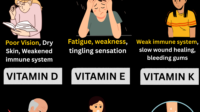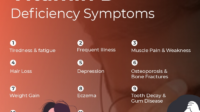
Some symptoms arrive quietly, like dust settling on furniture—hard to notice, easy to underestimate. Low vitamin D does exactly that for millions of Americans. It rarely announces itself with fireworks. Instead, it leaves faint fingerprints on mood, muscles, bones, immunity, and even the way your body manages energy. The strangest part? Many people chalk these “small signs” up to aging, stress, sleep debt, or plain bad luck. A shift in perspective can change everything—once you realize what vitamin D is really doing behind the scenes, the overlooked signs become harder to ignore.
The First Misleading Clue: “Just Being Tired” That Won’t Budge
Fatigue is a universal background hum. We all feel it at some point. Yet low vitamin D can produce a distinctive, stubborn version—one that lingers even after a decent night’s sleep. People often describe it as heavy-limbed, foggy-headed, or oddly unmotivated. Short walks feel harder. Stairs feel like negotiations. The mind may also feel less “sharp,” as though attention has been slightly dimmed.
Vitamin D plays a role in muscle function and possibly in the regulation of certain neurotransmitters that influence motivation. When levels drop, the body may not generate energy as efficiently. It’s not only physical. There’s often a psychological tint too—irritability, low drive, or a sense that joy is harder to summon.
Here’s the part that nudges curiosity: fatigue can look ordinary, but its pattern may feel off. If your tiredness is chronic, accompanied by low mood, and resistant to lifestyle tweaks, it may be worth asking whether vitamin D is quietly tugging the strings.
Muscle and Bone Discomfort: The “Weathered” Feeling That Creeps In
Many Americans interpret muscle aches as normal wear-and-tear. But vitamin D deficiency can contribute to bone pain, tenderness, and a general ache that seems to travel through the body. Some people notice it in the thighs or hips, areas that bear the weight of daily movement. Others feel it as generalized soreness, as if they never fully recovered from a workout—even when they haven’t.
When vitamin D is low, calcium absorption can become less efficient. Over time, this may influence the strength and remodeling of bone tissue. The result can be a subtle, persistent discomfort that people normalize rather than investigate.
Ask yourself: does your discomfort worsen in months with less sunlight? Do you feel more “rusty” during winter? These aren’t definitive diagnoses, but they can be directional clues—like map lines hinting at a destination you haven’t visited yet.
Mood Shifts: When Your Inner Weather Changes Color
Low vitamin D is frequently discussed in relation to mood, yet many people still treat it as a secondary concern. The truth is more intriguing. Vitamin D receptors exist in many tissues, including brain regions involved in mood regulation. When levels are insufficient, the internal climate can turn unsettled.
People may experience a depressive-like mood, irritability, anxiety, or emotional flatness. Sometimes the change is seasonal—symptoms intensify when sunlight dwindles. Other times it appears more scattered, tied to life stress and sleep disruption, making the vitamin connection less obvious.
But here’s the curiosity hook: mood changes often precede more recognizable physical symptoms. A person might notice a “gray tint” to their days before they realize their muscles ache, their energy dips, or their bones feel less sturdy. Vitamin D can act like a backstage stagehand—quietly adjusting the scenery before the audience notices the play has shifted.
Frequent Illness: The Immune System’s Soft Alarm
Not every cold is a cause for concern. Yet recurrent infections—especially respiratory ones—can be a clue worth examining. Vitamin D is involved in immune regulation, helping the body respond appropriately rather than overreact or underperform.
When vitamin D levels are low, some people experience more frequent colds, prolonged recovery times, or a sense that their defenses are perpetually “behind.” It can feel like every month brings a new round of sniffles. The pattern matters: if illness is clustering rather than spreading evenly, the body may be signaling a resource imbalance.
This is one of those areas where a shift in perspective helps. Instead of viewing vitamin D as only “bone health,” consider it as a regulator—an orchestral conductor rather than a solo performer. It influences how your immune system rehearses and performs.
Hair Shedding and Skin Oddities: Subtle Changes You Ignore Until They Widen
Hair shedding is often blamed on stress, genetics, or seasonal change. Sometimes those explanations are correct. But vitamin D deficiency can also intersect with hair follicle cycling and inflammatory processes. The result may be increased shedding, thinning, or changes in hair texture that feel out of sync with your routine.
Skin can also show signs indirectly. People may notice dryness, delayed healing, or general “roughness.” These aren’t specific to vitamin D, but they can appear as part of a broader deficiency picture—especially when paired with fatigue, muscle discomfort, or mood changes.
Curiosity matters here: deficiency signs often arrive like confetti—small and scattered. When you collect them and notice the pattern, the story becomes clearer.
The Paradox of Indoor Life: Why the “Sun” Myth Doesn’t Help
Many Americans believe they’re “probably fine” because they get some daylight. Yet vitamin D synthesis depends on multiple variables: angle of the sun, season, geographic latitude, time outdoors, skin tone, sunscreen usage, cloud cover, and even time of day. A brief walk can be helpful—but it may not reliably generate sufficient vitamin D.
Then there’s the modern lifestyle paradox: even people who work outside or spend weekends outdoors may still fall short because their exposure is inconsistent. When sunlight is sporadic, the body can’t build a stable reserve.
Consider the possibility that your routine is quietly underfeeding your vitamin D bank account. The evidence isn’t always dramatic. Sometimes it’s just a slow, steady shortfall.
Who’s Most Likely to Be Low? Patterns That Repeat Quietly
Some groups face higher risk due to physiology, lifestyle, or health circumstances. People with darker skin tones often require more sunlight to produce the same vitamin D levels. Those who live farther from the equator may experience reduced UVB exposure in winter months. Individuals with limited sun exposure—due to work schedules, cultural practices, or mobility constraints—may also be at risk.
There are additional risk factors too: obesity can affect vitamin D availability in the body, and certain gastrointestinal conditions or medications may interfere with absorption. Even some forms of chronic illness can influence vitamin D status indirectly.
The key is to avoid deterministic thinking. Risk doesn’t equal destiny. But when multiple risk factors stack, it becomes less reasonable to ignore the possibility of deficiency.
Lab Testing: The Detective Work, Not the Guesswork
Vitamin D can’t be accurately assessed by symptoms alone. Many signs overlap with sleep disorders, thyroid conditions, anemia, depression, magnesium deficiency, or chronic inflammation. That’s why testing is the turning point—an evidence-based way to stop guessing and start understanding.
A common blood test measures 25-hydroxyvitamin D, the body’s main circulating form. Interpreting results should consider your overall health, seasonal timing, and clinician guidance. Treatment plans vary: some people need conservative supplementation, while others may require a structured regimen initially.
Think of testing as turning on a light in a room you’ve been walking through for years. The signs you previously dismissed begin to make sense.
Supplements and Diet: Promises of Change, Designed Gradually
When deficiency is confirmed, addressing it can create real momentum—sometimes subtle, sometimes surprisingly swift. Energy may improve first. Mood may brighten in a slow arc. Muscle discomfort might ease. Bone-related symptoms may respond more gradually, but improvement can still be meaningful.
Food sources can help, though they may be limited depending on dietary patterns. Fatty fish, fortified dairy or plant milks, egg yolks, and certain fortified products can contribute. Still, many people rely on supplementation to reach adequate levels, especially in winter or with low sun exposure.
Supplements should be approached thoughtfully. Too little can be ineffective; too much can be harmful. That’s why personalized dosing and follow-up testing are often part of a responsible plan. The promise here isn’t instant transformation—it’s a more reliable baseline, achieved with patient precision.
When to Treat It as Urgent: Red Flags That Deserve Attention
Vitamin D deficiency is often overlooked, but severe deficiency can have stronger consequences. People may experience significant muscle weakness, bone pain that escalates, or a higher risk of fractures. In such cases, timely evaluation matters. Persistent symptoms that interfere with daily function should never be brushed aside as “normal.”
Also pay attention to signs that suggest broader health issues. If fatigue is extreme, weight changes are unexplained, or mood disturbances become severe, a clinician visit is warranted. Vitamin D may be a piece of the puzzle—or it may be masking something else.
A Visual Reminder: The Hidden Value of Light
Sometimes the body’s needs are easiest to understand when you imagine what’s missing. Sunlight is not just background scenery; it’s part of a biological process. To keep perspective playful but meaningful, picture how a single small resource—like “light”—can ripple through the entire system.

And if you’re someone who likes to track patterns, consider turning your own experience into a simple experiment: notice how you feel when you get more daylight versus less. Track energy, mood, and muscle comfort. It won’t replace lab testing, but it can sharpen awareness.

The goal isn’t to chase anxiety. It’s to cultivate clarity. Low vitamin D often goes unnoticed because it mimics ordinary life. But once you recognize the pattern—fatigue that persists, mood that dims, aches that linger—the next step becomes obvious: test, evaluate, and adjust.
Closing Thought: The Shift in Perspective That Changes Outcomes
The strangest signs of low vitamin D are often the ones people dismiss first: “I’m just tired,” “it’s probably stress,” “my body is getting older.” Those sentences can keep you stuck in vague explanations. A shift in perspective reframes the question: what if these are not random inconveniences, but clues to a solvable imbalance?
Vitamin D isn’t a magic fix. But it is a meaningful variable—one that can influence how you feel, how your body defends you, and how steadily your day moves forward. When you stop overlooking the quiet signals, you give yourself a better chance at restoration.