Some symptoms arrive wearing a familiar disguise. They’re subtle, intermittent, and easy to rationalize—like a bad week, a heavier workload, or “just stress.” But when a pattern persists, the explanation may be less psychological than it feels. One of the most commonly overlooked vitamin D deficiency symptoms hides in plain sight: the sensation of being perpetually worn down, tense, or emotionally “off,” even when your calendar says you should be fine.
Consider this an invitation to shift perspective. Instead of asking, “Why am I stressed?” try asking, “Why does my body keep signaling the same distress signal?” The difference isn’t merely semantic. It can change what you notice, what you measure, and what you do next.
Vitamin D: The Quiet System Manager, Not Just a Bone Supplement
Vitamin D isn’t limited to bones and calcium absorption. It behaves more like a regulatory hormone, influencing immune responses, muscle function, mood-related pathways, and even inflammatory signaling. When vitamin D levels sink, your body doesn’t necessarily announce it with dramatic symptoms. It often sends softer messages—little misfires that accumulate into a sense of imbalance.
That’s why deficiency can be difficult to recognize. You might not feel “sick.” You might feel misaligned. And misalignment is easier to blame on modern life. If you live with deadlines, screens, and limited sunlight exposure, “stress” becomes a catch-all explanation. It’s tidy. It’s familiar. It requires no lab work.
Yet the tidy explanation can become a trap.
The #1 Symptom People Dismiss as “Just Stress”: Persistent Fatigue and Low-Grade Agitation
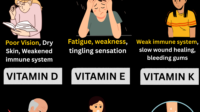
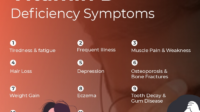
If there is one deficiency symptom that gets repeatedly dismissed, it’s a cluster: ongoing fatigue paired with a restless, irritable, or emotionally “wired” feeling. It can look like anxiety, burnout, or mental fog. It can also look like irritability—snapping at small things, feeling overwhelmed by normal tasks, or struggling to unwind.
This isn’t the cinematic version of exhaustion. It’s more like a dimmer switch stuck halfway down: you’re functioning, but not thriving. You may get adequate sleep, yet still wake unrefreshed. Or you may sleep longer, but feel less restored. Your thoughts may feel sticky, and your body may feel oddly tight.
Why does this get mislabeled as stress? Because the subjective experience overlaps. Stress can cause fatigue, tension, and mood changes. Vitamin D deficiency can, too. The difference is that stress is often responsive to changes in workload or coping. Vitamin D deficiency tends to be persistent unless the underlying biology is addressed.
How Vitamin D Deficiency Can Imitate Emotional and Nervous System Signals
Your nervous system doesn’t operate in isolation. Vitamin D participates in pathways that affect neurotransmission and inflammation. When deficiency is present, the body can drift toward a state of higher inflammatory tone. That may influence how you experience stress, how sensitive you feel to discomfort, and how quickly you recover after mental or physical strain.
That’s why some people describe a “stress response” that never seems to turn off. They might notice muscle heaviness, low stamina, and a vague sense of unease. The mind may feel restless. The body may feel tense. Even simple activities can require extra effort—an unadvertised tax.
Here’s the curiosity spark: What if the stress label is covering a nutrient signal? Not all fatigue is stress-driven. Not all irritability is personality or pressure. Sometimes it’s biochemistry wearing psychological clothing.
Clues That Your “Stress” Might Be Something Else
Stress is common. But certain patterns can hint at a nutritional underpinning:
1) Repetition despite coping. You try rest, hydration, and better routines, yet the fatigue returns quickly.
2) Muscle and soreness. You notice aches, weakness, or difficulty bouncing back after exertion.
3) Seasonal or lifestyle correlation. Symptoms worsen in winter, during low-sun months, or when you’re indoors more often.
4) Mood “texture” changes. Not just sadness—also irritability, low frustration tolerance, or a feeling that you’re emotionally flattened.
5) Sleep that doesn’t fully refresh. Even with consistent hours, your body feels slow to reboot.
None of these confirm vitamin D deficiency alone. But together, they create a persuasive storyline—one that deserves measurement rather than guesswork.
Why Sunlight Can Mislead You (Even If You Think You Get Enough)
People often assume they’re covered because they see daylight. But sunlight exposure depends on more than time outside. It’s influenced by latitude, season, cloud cover, skin pigmentation, sunscreen use, clothing coverage, and even the angle of the sun. Indoor lifestyles can also create a “false normalization,” where you’re technically near light but not receiving the kind that supports adequate vitamin D production.
So the question becomes less “Did I get sunlight?” and more “Was it enough for my biology?” That’s difficult to estimate by memory alone. Your bloodstream is the truer narrator.
What Vitamin D Deficiency Does to Muscles, Energy, and Recovery
Vitamin D supports muscle performance and helps regulate calcium and phosphate balance. When levels are low, you may feel weaker or less coordinated. You might notice that workouts feel harder, stairs feel more demanding, and recovery takes longer.
Energy isn’t only about motivation; it’s also about cellular efficiency. Deficiency can contribute to a sense of drained capability. That drain can spill into mood, because your brain experiences physical limitation as psychological strain. The result is a feedback loop: fatigue amplifies stress sensitivity, and stress-like feelings make you interpret everything as mental overload.
It’s a self-reinforcing narrative—until it isn’t.
Why This Matters: The Cost of “Assuming It’s Just Stress”
When deficiency symptoms are dismissed, the body stays under-supported. That can prolong the cycle of fatigue and tension. It can also delay targeted intervention, meaning you spend months adjusting lifestyle elements that won’t fully address the underlying driver.
There’s also an emotional cost. Constantly labeling yourself as “stressed” can erode confidence. You may begin to expect your body to fail to recover. You might feel guilty for being tired, even while doing your best. That kind of internal pressure is rarely helpful—and often unnecessary.
A shift in perspective changes the tone of the story. Instead of “I’m breaking down,” it can become “My system may be under-resourced.” That framing is calmer, more actionable, and surprisingly empowering.
From Curiosity to Clarity: What Testing and Next Steps Typically Look Like
If your fatigue and tension feel chronic, inconsistent, or resistant to usual remedies, testing can be a turning point. A common approach is measuring 25-hydroxyvitamin D, the form most often used to assess vitamin D status. Many clinicians also consider related factors, such as calcium, and sometimes magnesium or thyroid markers, depending on symptoms and history.
Then comes the part people often rush: the follow-through. If supplementation is recommended, it should align with your deficiency severity, health conditions, and overall plan. Vitamin D isn’t a “more is always better” scenario. Dosing should be deliberate. Short-term improvement can happen, but sustainable correction requires consistency and appropriate monitoring.
How Perspective Changes Behavior: The Mind-Body Reframe
Here’s the reframing that piques real curiosity: what if your stress isn’t the cause, but the consequence of biology struggling quietly? When your body lacks a supportive nutrient, your coping system works harder. That increased effort feels like stress—because it is effort. It’s just not the kind you can out-think.
When that possibility is on the table, your next actions become more precise. You’re less likely to spiral into “I must be doing everything wrong.” Instead, you investigate. You measure. You adjust. You give your body a chance to respond.
A Final Thought: Don’t Let “Just Stress” Be the End of the Conversation
Persistent fatigue, low-grade agitation, irritability, muscle heaviness, and unrefreshing sleep can be interpreted as stress. But when those symptoms linger—especially across seasons or despite lifestyle changes—vitamin D deficiency deserves attention.
Stress is real. But so is nutrition. Your body speaks in patterns. If the pattern resembles both fatigue and tension, consider that vitamin D may be part of the sentence you’ve been ignoring. The next chapter isn’t about self-blame. It’s about clarity.