Most people think vitamin D is only about bones. They’re not entirely wrong—but they’re also profoundly underestimating the quiet, systemic ways deficiency can rewrite your day-to-day health. The symptoms don’t always arrive like a dramatic event. More often, they seep in through the seams: a vague fatigue, an ache you can’t quite localize, mood changes you chalk up to “stress.” Then, one day, you realize your body has been sending a long prelude—waiting for someone to notice the pattern.
The “Invisible” Nature of Vitamin D Deficiency
Vitamin D is a hormone-like nutrient with influence across immune regulation, neuromuscular function, inflammation balance, and even cellular signaling. That breadth is exactly why deficiency can masquerade as other conditions. You might feel “off” without an obvious explanation, and the timeline may be slow enough that it becomes normalized.
Doctors often see patients who describe symptoms as scattered pieces of a puzzle. Muscle weakness here. Diffuse discomfort there. A mood dip. A lingering susceptibility to colds. In hindsight, it’s clear these are not random. They’re a chorus—slightly out of tune, consistently repeating.
Here’s the shift in perspective that matters: vitamin D deficiency rarely announces itself with a single headline symptom. It behaves like a low-grade background storm.
Hair Loss: More Than a Cosmetic Concern
Hair shedding can be devastating, especially when it begins to accelerate. While genetics and thyroid issues are common culprits, vitamin D deficiency can be a contributing factor too. Some individuals notice thinner hair, increased shedding during washing, or a change in scalp density.
It’s not magic. The scalp is living tissue, dependent on healthy signaling pathways and immune balance. When vitamin D levels are suboptimal, the environment that supports follicle cycling can become less stable.
If you’re seeing hair changes alongside fatigue or aching muscles, consider it a clue—not a coincidence.
Muscle Weakness and Achy Body Sensations
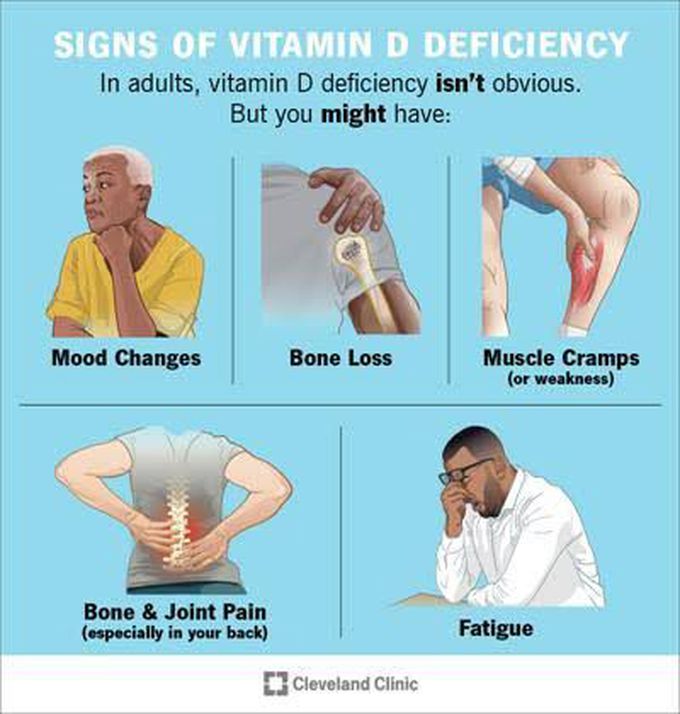
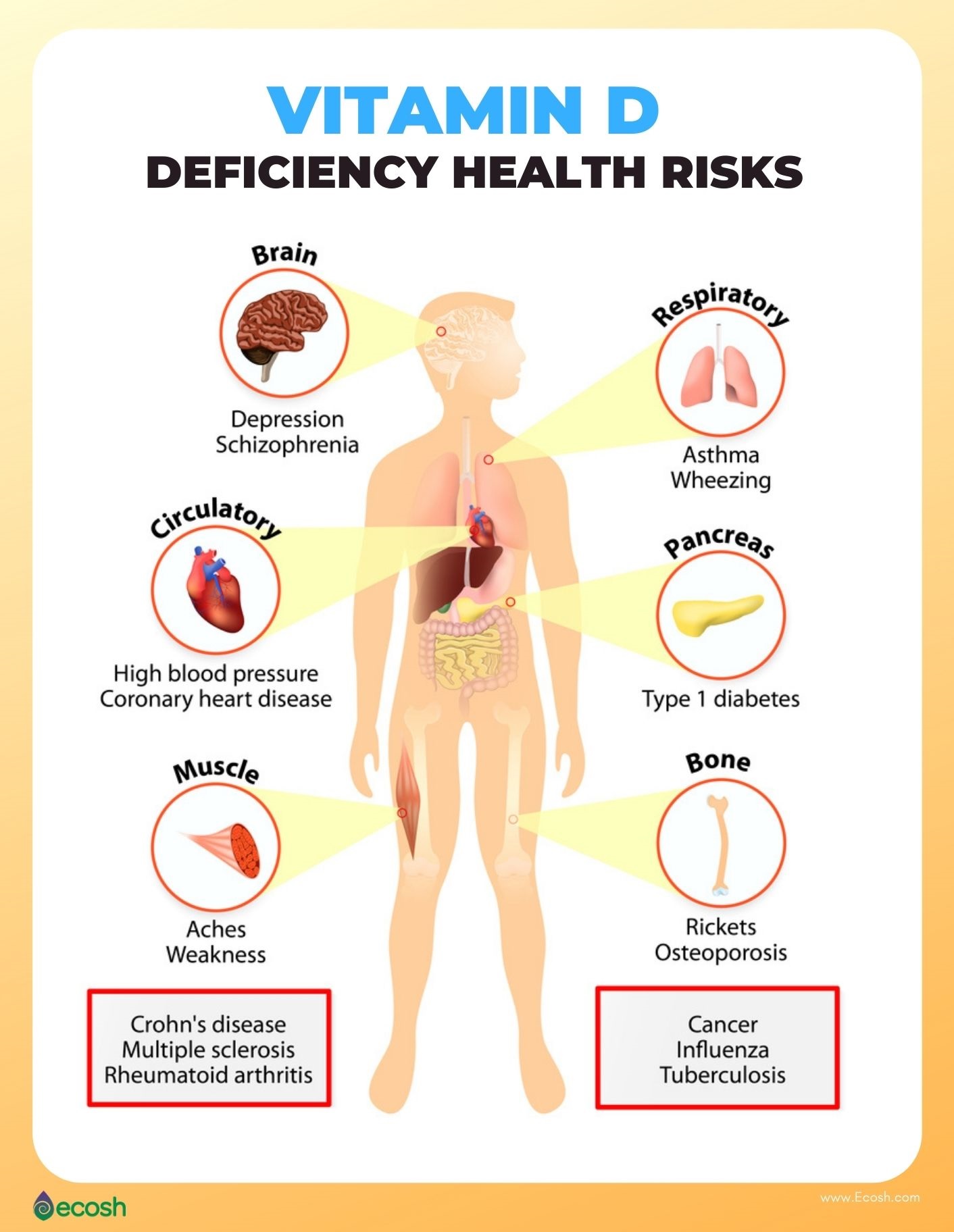
One of the most overlooked signals is muscle weakness that feels subtle at first. You might struggle with stairs, get tired sooner than expected, or feel soreness after ordinary activity. The pain can be generalized—like your body is holding onto a dull fatigue.
Doctors describe this as a kind of “functional dullness.” It’s not always sharp or dramatic, which makes it easy to dismiss. Yet the pattern can be persistent. Over time, deficiency may contribute to decreased strength and impaired muscle performance.
There’s also a paradox: you may feel tired, but you may not feel “sick.” That mismatch often leads people to blame sleep, workload, or aging—when the underlying biochemical note is vitamin D.
Bone Pain, Joint Discomfort, and the Long Prelude to Seriousness
When vitamin D levels drop significantly, bones and joints can become more vulnerable. The deficiency can alter calcium absorption, affecting skeletal integrity. Bone pain can feel diffuse, while joint discomfort may be mistaken for arthritis or overuse injuries.
Some people experience aching in the hips, lower back, or ribs. Others describe tenderness in areas that previously felt normal. A slow onset can make the problem feel like normal wear and tear.
Here’s the curiosity-provoking part: even when imaging doesn’t immediately reveal something alarming, the body can still be signaling inadequate nutrient support. Symptoms can precede obvious structural findings.
Fatigue That Feels “Unreasonable”
Everyone gets tired. But vitamin D deficiency can produce fatigue that feels disproportionate to your lifestyle. You might sleep longer and still wake exhausted. You might drag through afternoons with a heavy, almost gravitational weariness.
Doctors see this frequently in people who are otherwise motivated and functional—until they’re not. The fatigue becomes a persistent background frequency, not an occasional episode.
Short sentences matter here: pay attention to the constancy. Energy that declines without a clear trigger deserves a closer look.
Frequent Illness and Immune “Flinching”
Vitamin D plays a role in immune modulation. When levels are low, the immune system may become less efficient at orchestrating responses. You might notice more frequent colds, prolonged recovery times, or lingering inflammation after infections.
This doesn’t mean you’ll always “get sick” constantly. It means susceptibility can rise, and recovery can slow. Some people notice a cycle: feel better, then relapse into another minor illness.
If your health history includes repeating respiratory issues, it’s worth considering whether deficiency has set the stage.
Mood Changes: When Your Brain Feels the Nutrient Gap
One of the most disorienting aspects of deficiency is how it can affect mood and cognition. Low vitamin D has been associated with depressive symptoms and mood instability in some individuals. That association doesn’t replace professional mental health evaluation—but it can be a biological contributor.
People often describe a subtle flattening: less interest, more irritability, or a foggy sense of motivation. Sometimes the change is dismissed as burnout. Other times it’s treated solely as a psychological issue. Yet a biological lever may be involved.
The perspective shift is simple: mood symptoms aren’t always purely emotional. The body’s chemistry can write the script.
Signs That Often Travel Together: Low Energy, Pain, and Scalp Changes
Many patients present with a “cluster,” not a single complaint. Low energy plus muscle soreness. Hair shedding plus fatigue. Joint discomfort plus mood dips. When symptoms braid together, the likelihood of a nutritional or hormonal thread increases.
It’s useful to think like a pattern-recognizer rather than a symptom-forager. Ask: are multiple systems acting out in the same direction?
If several of these signs resonate, a conversation with a clinician becomes less optional and more strategic. Lab evaluation can clarify whether low vitamin D is part of the equation.
Common Risk Factors: Why Some People Are More Vulnerable
Deficiency is more likely in people with limited sun exposure, darker skin, older age, obesity, or diets low in vitamin D–rich foods. Certain medical conditions can impair absorption, and some medications can affect vitamin D metabolism.
Indoor lifestyles can quietly reduce cutaneous synthesis. Even in sunny climates, sunscreen habits, clothing coverage, and time outdoors influence exposure. Seasonal shifts also play a role, with winter months often correlating with lower levels.
When Symptoms Become “Red Flag” Territory
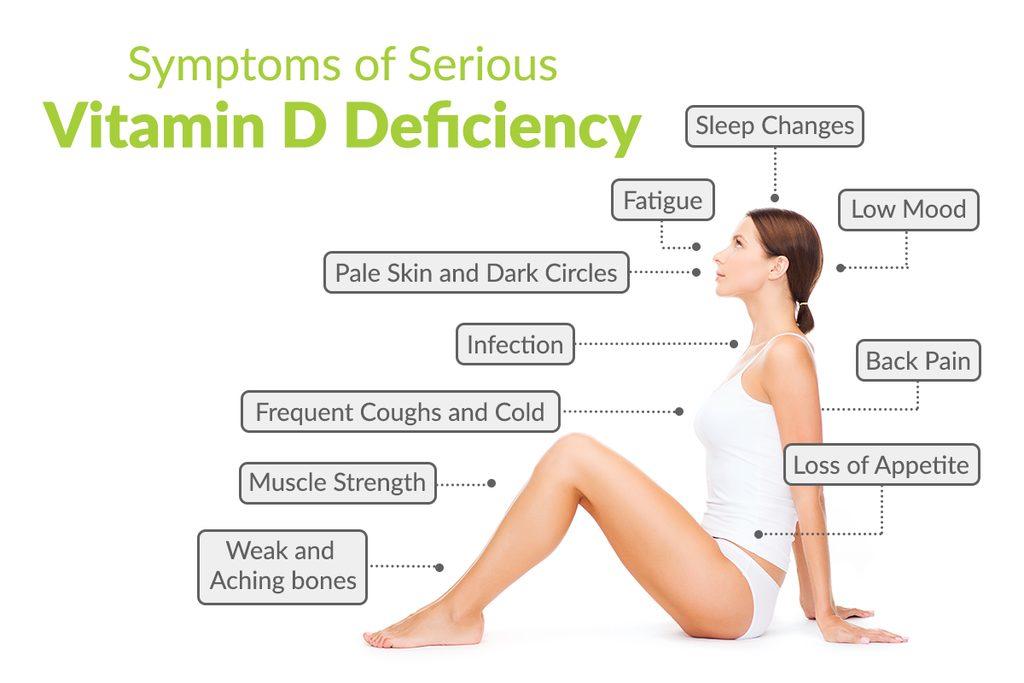
Mild deficiency can be hard to detect. More significant deficiency can bring stronger indicators. Increasing bone pain, worsening muscle weakness, falls risk, or functional decline deserves prompt medical attention.
Children and teenagers require extra vigilance as well. Growth and skeletal development are time-sensitive. In adults, persistent musculoskeletal discomfort plus fatigue that doesn’t improve can be a sign the issue has matured.
The goal isn’t panic. It’s decisiveness. Your symptoms are data.
Testing and What Doctors Usually Look For
Doctors commonly evaluate vitamin D status using a blood test that measures circulating 25-hydroxyvitamin D. That number provides a snapshot of your body’s vitamin D reserves. It’s also an entry point into broader assessment—because symptoms can overlap with thyroid issues, anemia, magnesium deficiency, and inflammatory disorders.
Sometimes clinicians may also check calcium, phosphorus, and markers related to bone metabolism, especially if symptoms suggest skeletal involvement.
In other words: vitamin D status may be the answer, but it’s rarely the only variable. A thoughtful clinician explores the whole landscape.
Supplementation: A Practical, Curiosity-Driven Approach
Supplementation can help, but it’s best guided rather than improvised. Dosage depends on baseline levels, body factors, and overall health. Some people recover quickly in terms of energy and aches; others take longer, particularly if deficiency has persisted.
It’s wise to avoid extremes. Overcorrection can cause complications. Under-correction can leave symptoms lingering. A measured plan, followed by reassessment, tends to produce the most reliable results.
Also consider consistency. Short bursts of supplementation aren’t always enough; stable routines often work better than irregular “recovery sprints.”
Foods and Sunlight: Small Levers With Big Implications
Vitamin D can come from sunlight exposure and dietary sources such as fatty fish, fortified dairy or plant alternatives, egg yolks, and fortified cereals. Diet alone may not fully correct deficiency for everyone, but it can support recovery.
Sunlight is nuanced. Quality matters: time of year, latitude, skin tone, and cloud cover all influence synthesis. Even when you do get sun, sunscreen use and duration determine how much vitamin D your body actually produces.

The Takeaway: Treat Symptoms Like Clues, Not Background Noise
Vitamin D deficiency symptoms can be easy to dismiss because they overlap with everyday life. That’s why the most helpful advice is also the most challenging: don’t wait for the body to escalate into something dramatic.
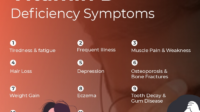
Hair shedding, muscle weakness, bone or joint discomfort, fatigue, immune flinching, and mood shifts can all be part of a larger pattern. When you notice more than one of these together, your next step should be exploration—not resignation.
Your health is not a series of isolated events. It’s a narrative. And sometimes, vitamin D is the quiet plot twist you were supposed to see sooner.