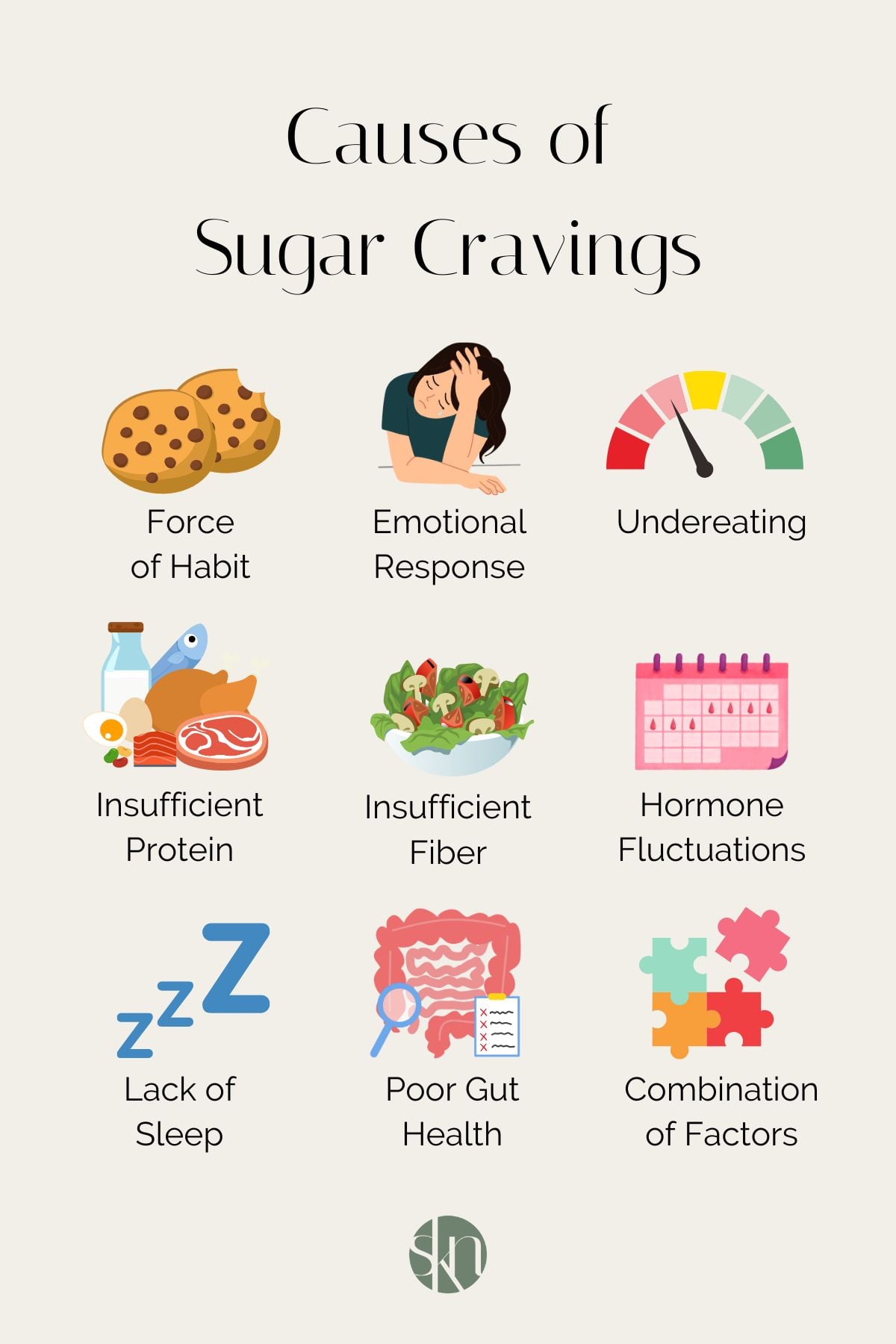
Craving sugar feels, on the surface, like a simple habit—an indulgence of the palate when willpower runs thin. Yet sometimes that craving behaves more like a signal flare: persistent, oddly timed, and difficult to ignore. Among the more unexpected culprits is vitamin D deficiency, a condition many people associate only with bones and sunshine. In reality, vitamin D participates in a much larger conversation—one that involves hormones, inflammation, energy regulation, and even the brain’s reward circuitry. When those conversations go off-script, sugar cravings can become conspicuously intense.
The “Sugar Craving” Isn’t Always Just Craving
Some cravings rise after breakfast because blood glucose has dipped, then reappears as a culinary pressure wave: you want something sweet, now. Other cravings arrive at odd hours, even after you’ve eaten a balanced meal. There can also be a distinctive emotional texture—restlessness, irritability, or a subtle sense of fatigue that improves only when sugar hits your bloodstream.
That improvement is not “mind over matter.” Sugar quickly supplies energy, but it also nudges neurotransmitters associated with reward and comfort. When your body is struggling to maintain metabolic equilibrium, the brain may interpret sugar as the fastest route back to steadiness. Over time, this can feel like a compulsion rather than a choice.
Vitamin D’s Hidden Role in Metabolic Harmony
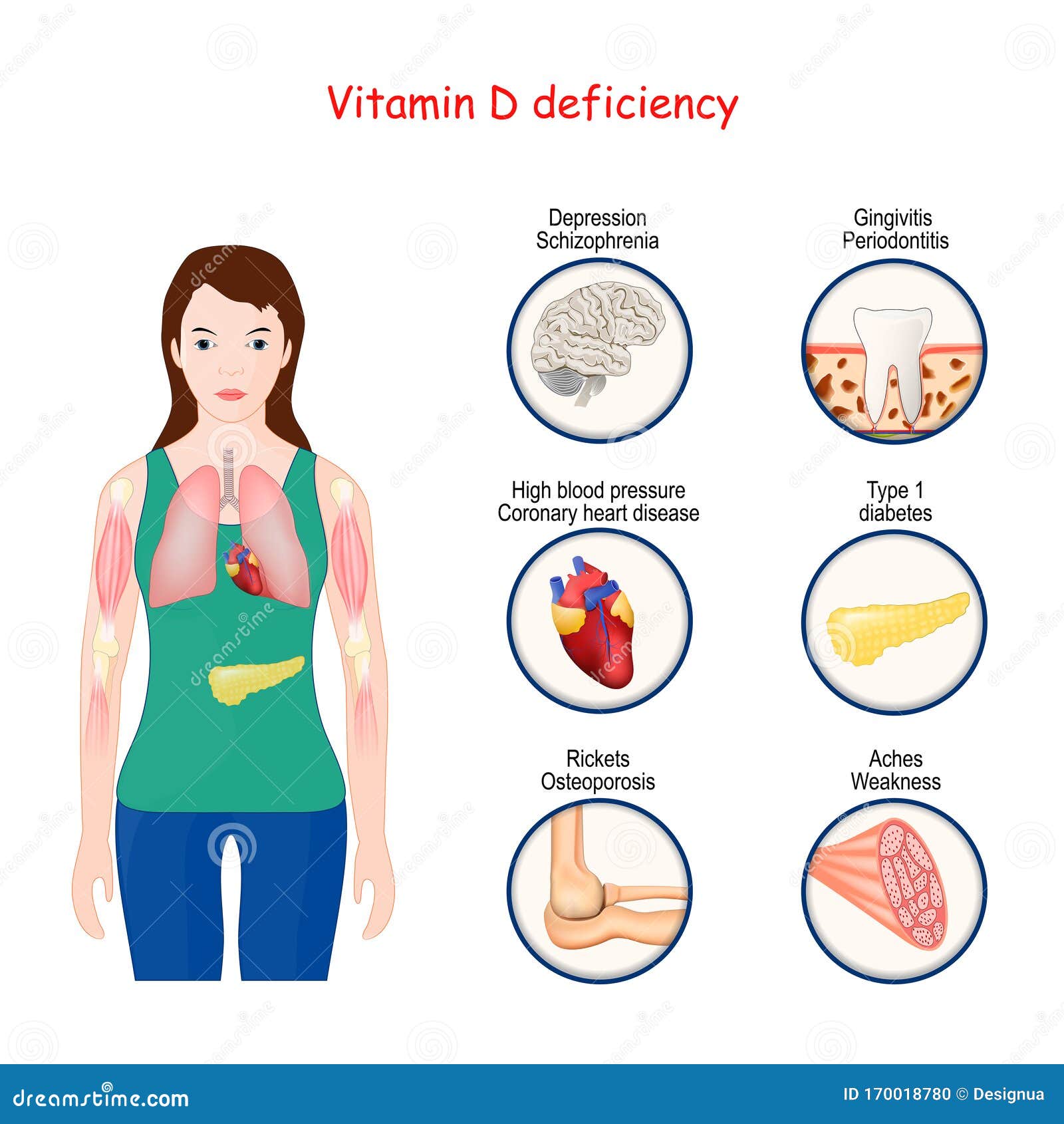
Vitamin D is often described as a bone vitamin. It is more accurate to call it a hormone-like regulator that influences how the body handles calcium, insulin sensitivity, inflammatory signaling, and cellular metabolism. When vitamin D levels run low, several downstream processes can tilt toward dysregulation.
One pathway involves insulin dynamics. If insulin sensitivity worsens, your cells may “resist” glucose uptake, leaving the bloodstream relatively higher than it should be. That mismatch can create a cycle of energy dips and rebounds. The body, seeking swift correction, may tug you toward carbohydrate-dense foods—especially those that taste sweet, because sweetness is tightly linked with palatability and rapid caloric delivery.
Another pathway involves inflammation. Vitamin D helps temper certain inflammatory responses. Chronic low-grade inflammation can interfere with appetite hormones and energy metabolism. The result can be a persistent biological whisper: eat something quick and dense.
Why a Deficiency Can Fuel the Brain’s Reward Loop
The brain is not merely a passive receiver of cravings. It’s an active architect of preference and urgency. Vitamin D receptors are present in brain tissue, implying that adequate levels may support normal neurochemical balance.
When vitamin D is deficient, the regulation of mood and stress-related signaling can shift. Stress doesn’t always feel like obvious anxiety. Sometimes it appears as cognitive fog or low-grade agitation. In those states, the brain often reaches for familiar comfort—sugar—because sugar stimulates dopamine-related pathways.
So the craving may be partly metabolic, partly neurochemical. The outcome is the same: your day becomes a negotiation with a sweetness compass that always points toward “more.”
Signs That Your Craving Might Be Linked to Low Vitamin D
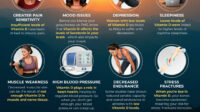
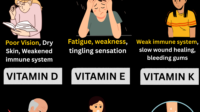
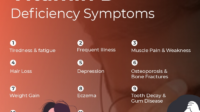
Not every sugar craving points to vitamin D deficiency. But there are patterns worth noticing—especially when cravings travel alongside other symptoms. Consider whether you also experience:
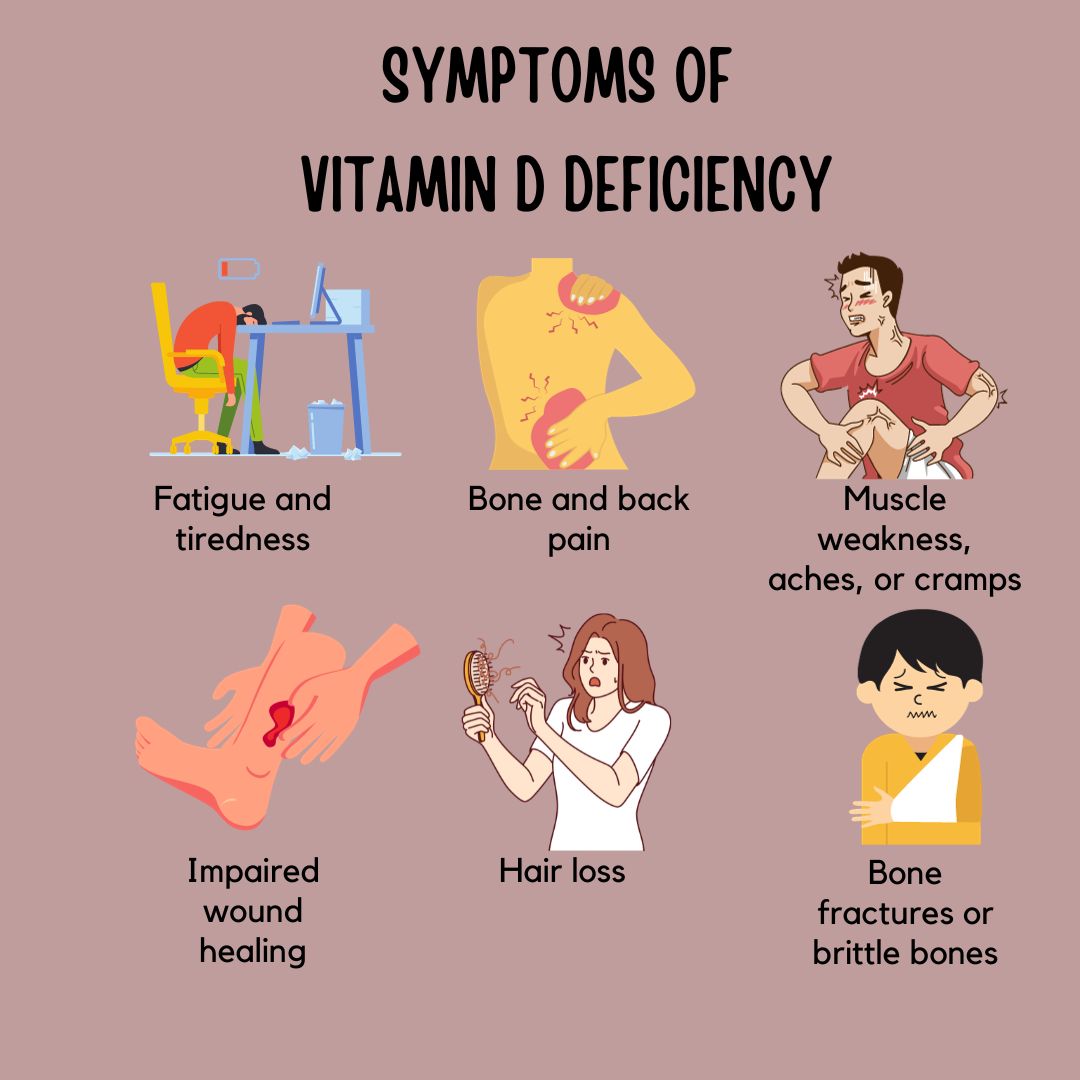
1) Fatigue that lingers. Not the normal end-of-day tiredness, but a persistent heaviness.
2) Low mood or unusual irritability. This can be subtle, like emotional static.
3) Bone or muscle discomfort. Achy sensations that seem to surface during periods of low activity.
4) Increased frequency of illness. A body running on impaired immune regulation can make cravings feel more urgent.
5) Skin changes. Some people experience rashes or dry, reactive skin when deficiencies are present.
These symptoms don’t diagnose anything alone. They do, however, create a composite portrait. If your cravings feel oddly “biological,” it’s reasonable to investigate your vitamin D status.
How Cravings Emerge: Timing, Triggers, and Metabolic Weather
Cravings are rarely random. They often follow a recognizable rhythm. If you crave sugar shortly after eating, the trigger might be blood glucose fluctuation or an imbalance in macronutrient composition. If cravings spike in the afternoon, your circadian rhythm could be interacting with low energy reserves and altered stress signaling.
Cold weather and indoor living can also reduce sunlight exposure, which may worsen vitamin D deficiency. In those conditions, cravings can become more pronounced—because your body lacks an important regulatory input. It’s as if your internal dashboard is dimmed, and the alarm light for “fuel” becomes harder to ignore.
Additionally, sleep deprivation changes appetite hormones (including leptin and ghrelin). If sleep is compromised, sugar cravings can intensify dramatically. Vitamin D deficiency may not be the sole driver, but it can contribute to the environment in which cravings thrive.
The Allergy of the Body: Inflammation, Insulin Resistance, and Appetite Hormones
Inflammation is often described in dramatic terms, but in daily life it can be quiet, persistent, and gradual. Vitamin D helps moderate inflammatory pathways. When levels are low, the body may develop a more reactive metabolic stance.
That state can influence insulin sensitivity. If insulin resistance begins to form, glucose transport may become less efficient. The body then compensates—sometimes with more hunger. Appetite hormones may behave less predictably, pushing you toward quick calories.
This is why some people describe vitamin-deficiency-related cravings as “sticky.” The desire clings, even after you eat. It’s not that you didn’t satisfy your stomach; it’s that the metabolic signal still isn’t satisfied.
Testing and Confirmation: What to Ask for and Why It Matters
If vitamin D deficiency is suspected, the most constructive step is laboratory confirmation. Clinicians commonly measure 25-hydroxyvitamin D, the best indicator of vitamin D status. You may also be evaluated for related issues such as calcium balance, magnesium levels, or parathyroid hormone dynamics if results are borderline or low.
Testing matters because cravings can be caused by multiple systems misfiring: iron deficiency, thyroid irregularities, sleep debt, stress overload, or simply habitual dietary patterns. Pinpointing the underlying factor prevents you from treating symptoms while the root cause remains unaddressed.
Once results are known, a clinician can recommend an individualized plan—often involving supplementation and lifestyle adjustments. The goal is not only to raise vitamin D, but to restore regulatory stability.
Practical Next Steps: Turning Cravings into Clarity
If you’re working through possible vitamin D deficiency, the strategy should be both physiological and behavioral. Start with nutrition that stabilizes blood sugar: protein at meals, fiber-rich carbohydrates, and healthy fats that slow glucose absorption. This won’t “silence” cravings overnight, but it can reduce the metabolic whiplash that invites sugar.
Pair that with targeted daylight exposure when safe and appropriate for your skin type and local climate. Even short, regular outdoor sessions can help. If supplementation is recommended, consistency is key—because vitamin D is not an instant fix; it’s a gradual recalibration.
Finally, treat cravings as data, not failure. When your body asks for sweetness repeatedly, it may be pleading for equilibrium. With confirmation, time, and a supportive routine, many people find the frequency and intensity of cravings gradually soften.
When to Seek Medical Care Immediately
Most cravings are not emergencies. Still, consult a healthcare professional promptly if sugar cravings come with warning signs such as severe fatigue, unexplained weight changes, persistent skin rashes, frequent infections, or symptoms that rapidly worsen. If there’s any concern for diabetes or other metabolic disorders, testing should not wait.
Cravings are common. But persistent, escalating cravings—especially when paired with other symptoms—deserve thoughtful attention.
Conclusion: A Signal Worth Interpreting
Craving sugar can feel like a weakness, but sometimes it’s a sophisticated physiological request. Vitamin D deficiency is one of the rare conditions that can participate in that request by influencing metabolic regulation, inflammation, and brain-reward signaling. When you view cravings through that lens, the goal shifts from blaming yourself to understanding your body’s internal signals.
With proper evaluation and a consistent plan, the sweetness urge can become less frequent—replaced by steadier energy, calmer appetite signals, and a healthier sense of control.