
Have you ever stood up too quickly and felt your body answer with a tiny, suspicious “creak”? Osteoporosis doesn’t usually announce itself with drama. It often creeps in quietly, turning strong bones into something more fragile than anyone expects. So here’s the playful-but-important question: how much Vitamin D and calcium do you need each day to keep your skeleton from becoming a weak link? And because prevention is never entirely straightforward, a real challenge follows—many people think they’re doing “enough,” but their numbers, schedules, or food choices quietly sabotage the plan.

Why osteoporosis prevention starts with calcium and Vitamin D
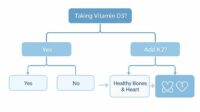
Calcium is the architectural material of bone—think of it as the mineral scaffolding that keeps your skeletal framework rigid and resilient. Vitamin D, meanwhile, acts like a meticulous gatekeeper. Without it, calcium absorption from the gut becomes inefficient, as if your body is trying to load building supplies into the wrong warehouse.
Osteoporosis prevention is therefore a two-part choreography. Calcium supplies the raw ingredients; Vitamin D ensures they’re actually used where they matter. When either ingredient is insufficient, bones may gradually lose density—especially as aging, hormonal changes, low physical activity, and certain medications pile on additional risk.
Prevention doesn’t require perfection. It requires consistency, strategy, and the humility to check assumptions. After all, “healthy habits” can still fall short if the daily totals are off.
How much calcium daily? Practical targets for adults
Most adults need a daily calcium intake that supports bone remodeling—the ongoing process where old bone is removed and new bone is built. General targets commonly fall around:
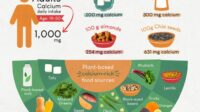
• Adults (19–50 years): about 1,000 mg/day
• Older adults (women 51+ and men 71+): about 1,200 mg/day
These numbers aren’t arbitrary; they reflect changing physiology. As years accumulate, the body’s calcium economy tends to become less efficient and bone turnover can tip toward loss.
Here’s where the challenge gets sneaky: calcium isn’t just in a single “high calcium” food. It often comes from a patchwork—milk, yogurt, cheese, fortified plant milks, canned fish with bones (like sardines), leafy greens (with caveats), beans, and certain fortified products.
One more nuance: the body absorbs calcium best in moderate doses. If you’re consuming a big chunk at once, absorption may plateau. Splitting intake across meals can feel oddly simple—and still make a meaningful difference.

Vitamin D: daily amounts that support calcium absorption
Vitamin D helps your intestines absorb calcium more effectively. It also supports muscle function, which matters for fall prevention—the quiet catalyst behind fractures. Many adults use targets around:
• Most adults: 600 IU/day
• Older adults (70+): 800 IU/day
But Vitamin D needs can vary. Skin pigmentation, geographic latitude, sun exposure, skin coverage, cloud cover, and seasonality all influence how much vitamin D your skin synthesizes.
Now, the tricky part: Vitamin D is sometimes described as “easy” because it can be produced by sunlight. In reality, many lifestyles lean indoor, and winter conditions can dampen synthesis dramatically. A playful challenge, then: can you confidently name your typical sun exposure? If the answer is fuzzy, supplementation might be more relevant than you assume.

Food-first strategy: building a calcium-rich menu
Calcium often works best as a “food-first” foundation, because dietary patterns come with additional nutrients—protein, phosphorus, magnesium, and sometimes vitamin K, all of which can contribute to bone health indirectly.
Consider pairing one calcium-anchoring item at each main meal. For example:
• Breakfast: yogurt or fortified plant milk
• Lunch: leafy greens plus beans, or a calcium-fortified beverage
• Dinner: fish with bones, or cheese incorporated into meals
Leafy greens can be helpful, but not all are equally bioavailable for calcium. Some greens contain compounds that reduce absorption, while others are more calcium-accessible. In practice, variety matters. You can also blend strategies: dairy where tolerated, fortified alternatives if dairy isn’t ideal, and supplements only to close the gaps.
And yes—this can feel like juggling. But when your intake is intentionally structured, the “daily challenge” becomes manageable.
Supplement strategy: when food isn’t enough
Supplements can be valuable, particularly when dietary intake falls short or when risk factors increase the likelihood of insufficient levels. For calcium, many people use tablets or chewables to top up intake. Calcium carbonate is often more convenient and requires stomach acid for optimal absorption, while calcium citrate tends to be absorbed more easily and may be preferred for people with lower stomach acid or those taking certain medications.
Vitamin D supplements are also common, and dosing should align with individual needs. The best approach typically involves knowing your baseline vitamin D status—often measured through a blood test—then matching supplementation accordingly.
Still, caution is wise. Calcium supplements can cause gastrointestinal side effects for some people, and excessive total intake is not desirable. If you’re already consuming substantial calcium through food, additional supplementation should be considered thoughtfully rather than automatically.
Timing and absorption: small adjustments, big results
Calcium absorption is influenced by dose size, meal timing, and concurrent nutrients. When calcium is consumed, pairing it with food can improve tolerability and absorption. Dividing doses across the day can also help your body handle the mineral more efficiently.
Vitamin D, being fat-soluble, may be better absorbed with meals that contain some fat. A quiet reframe helps: instead of thinking, “I’ll take it whenever,” think, “I’ll make absorption effortless.”
This is where consistency matters more than perfection. A missed day is not a disaster. A habit that consistently under-delivers is what requires attention.

Bone-building beyond nutrients: exercise, posture, and fall prevention
Calcium and Vitamin D are essential, but bones respond to mechanical stress. Weight-bearing activities—like brisk walking, dancing, stair climbing—signal your skeleton to maintain strength. Resistance training adds another layer, helping muscles support bones and improving balance.
Balance work is particularly important because osteoporosis risk doesn’t end at low bone density. Falls convert frailty into fractures. Strength and stability reduce fall risk, acting like protective scaffolding for your daily life.
Posture deserves mention, too. Kyphosis and height loss can affect gait and confidence. Gentle, evidence-informed movement routines can contribute to better alignment over time.
A challenge check: do you know your “daily totals”?
Here’s the most practical question to close with: do you know your approximate daily calcium and Vitamin D intake? Many people estimate based on how “healthy” their food feels, not the actual milligrams and IU. The challenge is simple: track for a few days—just a short audit—and you’ll likely discover surprises. Maybe you’re short on calcium because beverages replace meals. Maybe your Vitamin D is low because indoor time dominates. Or maybe you’re close—only distribution needs adjustment.
If you have risk factors—prior fractures, long-term steroid use, malabsorption conditions, kidney disease, or limited sun exposure—consult a healthcare professional. Testing and tailored guidance can refine prevention rather than relying on guesswork.
Osteoporosis prevention is not only about numbers, though numbers guide the blueprint. It’s also about building a rhythm your body can sustain—steady intake, smarter timing, and movement that keeps your skeleton engaged.