
Rainy seasons can feel like a weathered curtain drawn across the sky. Sunbeams arrive less often, and with them goes a familiar ally for children’s health: vitamin D. Yet even when the clouds loom, vitamin D doesn’t vanish—it simply changes tactics. Think of vitamin D as a “sunlight messenger” that can be encouraged through habits, food, and careful planning. With the right approach, kids can maintain their vitamin D levels while learning that rainy days still carry their own kind of brightness.

Reframe the Rain: Vitamin D as a “Messenger, Not a Mirage”
Most children interpret vitamin D like a fairy tale—either the sun appears, or nothing happens. That’s where adults can guide the narrative. Vitamin D isn’t only a product of sunshine; it’s also supported by nutrition and—when appropriate—supplements. A rainy day can become a story prompt: “Your body has messengers that can arrive from light, food, and support.”
Use imagery that sticks. Describe vitamin D as a small courier delivering instructions to bones and immune defenses. When sunlight is muted, you can still strengthen the courier network with diet, routines, and medical guidance. Short sentences land well for kids: “Rain hides the sun. Your choices still help.” Longer sentences deepen the idea: “When you combine consistent habits with smart, supervised steps, vitamin D becomes reliable rather than unpredictable.”
Understand the Mechanism: Why Cloud Cover Changes the Game
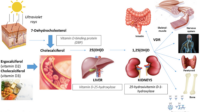
Vitamin D is synthesized in the skin when ultraviolet B (UVB) rays reach it. In rainy seasons, the UVB signal can be reduced by thick cloud cover, shorter daylight, and cooler temperatures that keep children indoors. Even on a bright-looking day, the sky may scatter UVB in ways that make it less effective.
This doesn’t mean “no vitamin D,” but it does mean the odds shift. Children may spend more time indoors, wear thicker clothing, and go from classroom to car to home—fewer opportunities for skin exposure to daylight. Understanding this helps caregivers avoid the trap of random efforts. Consistency matters more than occasional, hopeful sun-chasing.
Build “Micro-Sun” Routines: Tiny Windows of Opportunity
Instead of waiting for a miracle sunny hour, create micro-routines. “Micro-sun” means brief, planned exposure when daylight breaks through, even if it’s not a full blue-sky day. Pair it with weather checks and a simple rule: if the day looks bright enough for a quick walk, make that walk purposeful—without turning it into a marathon.
Keep it kid-friendly and safe. Choose times when UV is more likely to be present, aim for short sessions, and prioritize skin protection according to local guidance. Clothing can help or hinder—while sunscreen and protective gear are important, vitamin D synthesis depends on the skin receiving UVB. The balance should follow professional advice, especially for very young children.
Try a routine phrase: “Spot the light.” Kids love quests. You might say, “If the clouds thin for ten minutes, we do ten minutes outside.” Long sentences can explain why, but the ritual is the engine: predictable timing reduces resistance.
Use Food as a “Backup Sun”: Vitamin D-Rich Meals That Feel Like Treats
Nutrition can act like a second sun—slower, dependable, and easy to keep during storms. Vitamin D is naturally present in a limited number of foods, so strategic choices matter. Foods that commonly support vitamin D intake include fatty fish (salmon, sardines, mackerel), egg yolks, and fortified dairy or plant alternatives. Some children will resist fish; others might love it if served in creative, familiar formats.
Make the meal narrative playful. Turn salmon into “pink treasure,” egg yolks into “golden suns,” and fortified yogurt into “cloud-buster” bowls. The goal is sensory delight—taste, smell, texture—because a child is more likely to eat what feels inviting.
When possible, pair vitamin D foods with a meal that includes fat. Vitamin D is fat-soluble, so a little dietary fat helps the body use it efficiently. This is where you can design meals that are both nutritious and comforting during colder, wetter weeks.
Fortify the Home: Checking Labels and Choosing Smarter Options
During rainy seasons, households lean toward convenience. Convenience can be leveraged rather than feared. Fortified foods—milk, yogurt, some cereals, and certain plant-based beverages—can provide vitamin D even when outdoor time shrinks.
Teach older kids to read labels with you. It becomes a tiny science lesson disguised as shopping. For younger children, you can simply point out the “vitamin D friend” icon or language on packaging. Keep it simple: “This helps your sunlight messenger even when the sky is busy.”
Remember that fortification varies widely. Checking labels prevents assumptions from becoming silent errors.
Consider Supplements Carefully: When the Weather Needs Extra Support
Some children may need supplementation, particularly if dietary intake is low, sun exposure is limited, or there are risk factors related to skin pigmentation, body size, health conditions, or geographic location. Supplements should not be treated as a casual add-on. The most prudent path is clinician guidance based on age, diet, and, when appropriate, blood tests.
Position supplements as “vitamin D insurance,” not as a punishment or deficiency confession. Rainy seasons already feel like a constraint; support should feel like empowerment. If a clinician recommends a supplement, choose an age-appropriate form and schedule. Integrate it into a family ritual—after breakfast, for example—so it becomes normal rather than negotiable.
Keep an eye on consistency. Short bursts of effort followed by gaps can undermine goals. Long-term maintenance beats sporadic urgency.
Make Outdoor Time Enjoyable: Rain Gear, Movement, and Joy
Outdoor exposure fails when it feels miserable. That’s why the real lever isn’t only sunlight—it’s motivation. Invest in kid-grade rain boots, waterproof jackets, and cozy layers that still allow comfortable movement. Children who feel protected are more willing to step outside.
Then add motion. Vitamin D maintenance works best when “outside time” is actually outside time. Rain walks, puddle-stomping missions, umbrella parades, and scavenger hunts convert gray weather into adventure. Short bursts count. Even a gentle walk to a nearby park can change the rhythm of a day.
Use storytelling. “Today we’re searching for the sun’s whispers.” That metaphor is not just poetic—it encourages a resilient mindset and reduces the tendency to stay indoors by default.
Track Progress Without Panic: Signs, Habits, and Practical Follow-Up
Vitamin D status can’t be confidently guessed from mood or energy alone. However, you can monitor the habits that support it: frequency of fortified foods, consistency of supplement routines (if prescribed), and outdoor micro-sun sessions during breaks in the weather.
If fatigue, bone discomfort, frequent infections, or growth concerns arise, consult a healthcare professional. Sometimes the right answer includes lab work and a plan tailored to the child’s needs. In the rainy season, the goal is calm stewardship—not anxious guessing.
Older kids may appreciate the logic: “Your body needs steady deliveries. We’ll check our habits, and if needed, we’ll adjust the plan with a professional.” Long sentences can clarify, but reassurance is the real comfort.
Create a Rainy-Season “Vitamin D Plan” Kids Can Remember
Wrap everything into a simple, repeatable strategy—one that feels like a game. A three-part plan works well: light (micro-sun windows), food (vitamin D-rich meals), and support (fortified choices and supplements when recommended). Write it on a family calendar. Make it visual. Let children help color-code each step.
Here’s a memorable structure: “Find the Light, Eat the Gold, Take the Guard.” Kids remember rhymes. Adults can remember the framework. And when rain arrives again, you’ll be ready—not with frantic attempts, but with a thoughtful routine.
Rainy seasons may dim the sky, but they don’t have to dim health. With intriguing metaphors, practical steps, and joyful outdoor habits, vitamin D becomes less like a scarce resource and more like a dependable companion—one that keeps supporting children through every gray day.