Winter doesn’t just dim the sky—it quietly changes how your body gathers one of its most useful nutrients. Vitamin D, often nicknamed the “sunshine vitamin,” behaves like a seasonal weather system: when daylight vanishes, so does the usual production in the skin. And in the United States, the pattern is familiar—dark mornings, indoor living, and a long stretch of cloudy days that collectively nudge many people toward deficiency. The surprising part isn’t that vitamin D levels drop. It’s how quickly everyday life can steer your biochemistry off course.
Seasonal sunlight: the missing ingredient behind winter deficiency
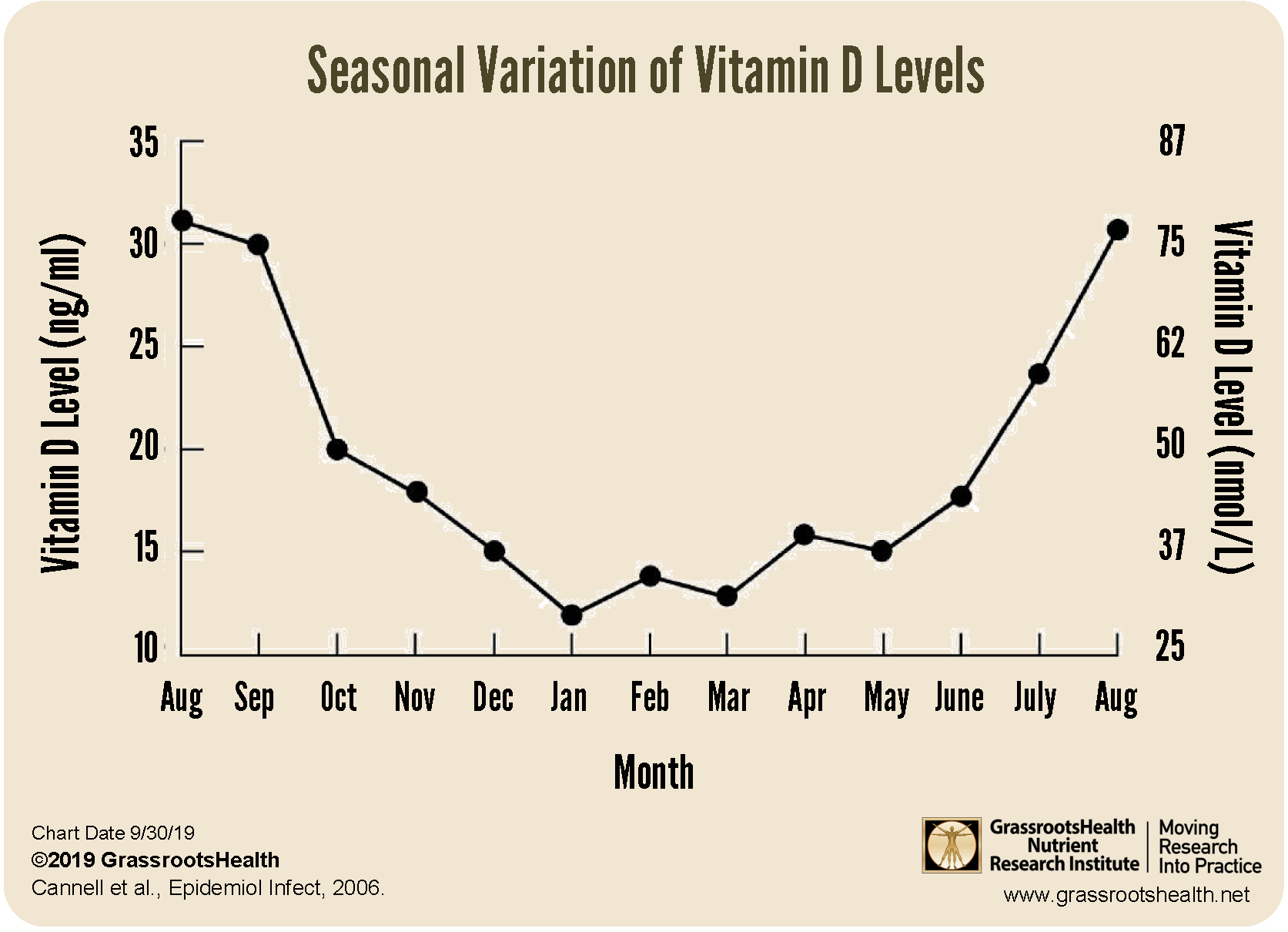
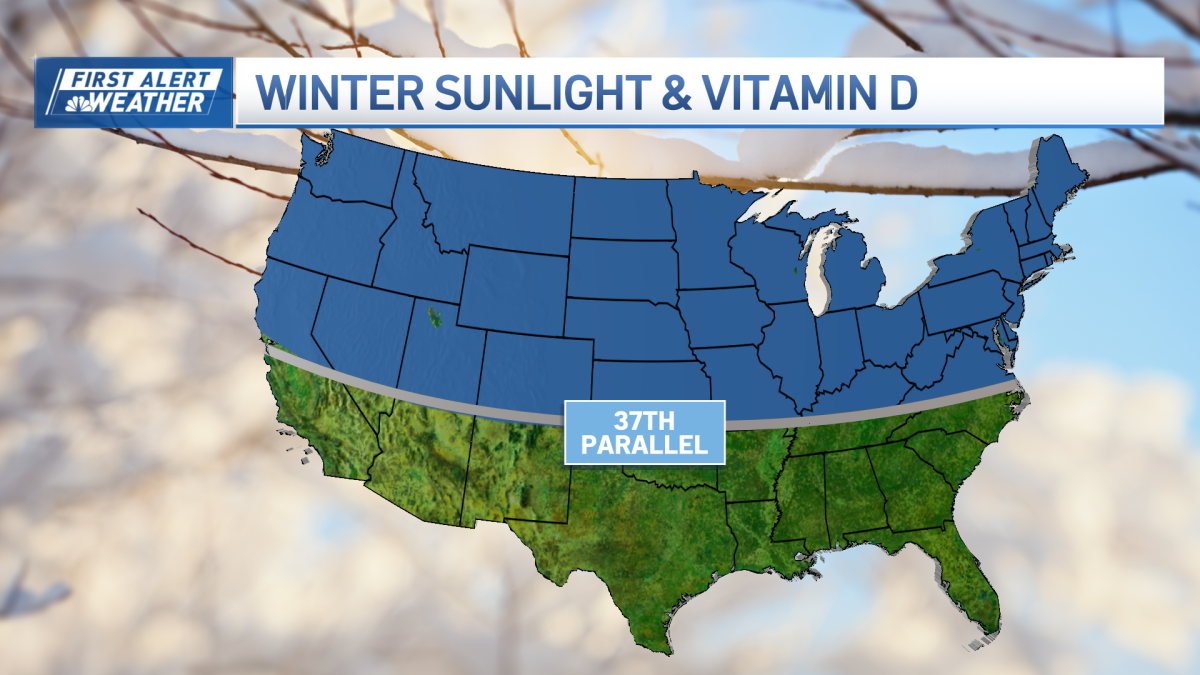
Vitamin D synthesis in the skin depends on ultraviolet B (UVB) radiation. In winter, UVB availability often declines dramatically, especially as latitude increases and the sun sits lower in the sky. Even if the weather looks “bright,” the angle of sunlight can blunt the UVB portion that matters. Your body can still feel the warmth, but the nutritional signal may not arrive with the same intensity.
Now imagine your routine as a daily schedule with invisible “sun windows.” If you’re at work before daylight fully brightens, commuting with limited outdoor time, then returning home as evening settles in, those windows can vanish. What follows is a gradual, low-grade decline—less like a single event and more like a dimming lamp that never quite turns back on.
In the background, the calendar starts to matter more than you’d expect. Your skin, which is built to respond to sunlight, receives fewer usable doses of UVB for longer periods. That seasonal mismatch is one of the core reasons deficiency becomes so common during winter.
Indoor living and the “invisible” time cost of modern schedules
Winter schedules tend to compress daylight into a smaller portion of the day. Shorter days create a kind of temporal claustrophobia—everything begins to feel rushed, and outdoor exposure becomes a casualty of comfort. People seek warmth indoors: gyms replace walks, cafeterias replace lunch breaks, and streaming replaces evening strolls. None of these choices are inherently wrong. But together they can reduce sunlight exposure enough to matter.
There’s also the phenomenon of sunscreen and clothing. Sun protection is wise, particularly for skin cancer prevention. Yet in winter, the problem isn’t sun exposure for tanning—it’s sun exposure for vitamin D synthesis. When you combine more coverage, stronger sun-reflecting surfaces like snow, and less direct midday exposure, the net vitamin D benefit can shrink further.
What’s easy to miss is that vitamin D isn’t only about “having sun.” It’s about having the right kind of light at the right time, long enough, and with enough skin exposed. Winter life often trims those variables down to near-zero.
US patterns: why deficiency isn’t a rare problem
Vitamin D deficiency doesn’t behave like a niche issue. It shows up across demographics and geographies, with winter acting like an accelerant. In many areas, the combination of latitude, cloud cover, and lifestyle differences makes the deficiency trend more pronounced as cold months stretch longer.
Even when people know vitamin D is “important,” they may assume deficiency is uncommon—something that happens only to those with specific medical conditions. Yet the reality is more mundane and, frankly, more unsettling: many deficiencies are nutritional drift problems. They develop slowly, while daily habits remain unchanged. By the time symptoms—or lab results—surface, the cause may feel distant.
Winter tends to amplify existing patterns. If someone already spends limited time outdoors in summer, winter creates an additional gap. If someone uses more indoor heating and has less incidental light exposure, vitamin D synthesis falls even further. Deficiency becomes not an exception, but a seasonal expectation.
Cloud cover, snow, and the illusion of “enough daylight”
Daylight is not the same as UVB. The atmosphere can filter out the wavelengths that matter. Clouds scatter light; they don’t necessarily deliver UVB in usable amounts. Snow can reflect some light, which sounds helpful, but reflected light still depends on the sun’s angle and UVB intensity. In many places, reflected brightness doesn’t translate into the vitamin D pathway your body requires.
This creates a subtle illusion. You might step outside and feel energetic because the world looks vivid. But your vitamin D production is about spectrum and angle. Your eyes can interpret brightness while your skin receives a weaker nutritional signal. In winter, this disconnect is common.
The result is a slow mismatch: you’re surrounded by visible light, yet the biological mechanism that converts that exposure into vitamin D is underfed.
Winter fatigue and mood: the connection people feel, even before tests
Many people report winter fatigue, heavier lethargy, or a dimmer emotional tone. Seasonal affective tendencies are often discussed in terms of light exposure and circadian rhythm. Vitamin D, however, participates in a broader network of immune and nervous system functions. When levels drop, it’s possible to feel it—not always as a dramatic symptom, but as a persistent “something is off” sensation.
This is where perspective matters. Rather than treating winter fatigue as purely psychological or inevitable, consider that biology might be contributing. Vitamin D status can influence muscle function, inflammation signaling, and possibly aspects of neurochemical regulation. Those are not guarantees for everyone, but they offer a coherent story: deficiency may be part of the winter narrative you’re already living.
If you’ve ever wondered why motivation sags when daylight shortens, winter deficiency is one of the plausible threads to pull.
Higher risk groups: why some bodies run on a tighter margin
Some people face a smaller “margin of error” when winter arrives. Skin tone plays a role because melanin reduces UVB penetration into the skin, requiring more exposure to achieve the same vitamin D synthesis. Similarly, older adults often produce vitamin D less efficiently, and age-related changes can make deficiency harder to reverse.
Body composition may also influence vitamin D status. Vitamin D can be stored in body fat, which may affect how much becomes available in circulation during prolonged low-sun periods. In addition, limited outdoor activity, certain dietary patterns, and darker indoor environments can compound the issue.
There’s also the metabolic side of the story. Some medical conditions and medications can affect absorption, conversion, or utilization of vitamin D. Winter deficiency, then, isn’t merely a seasonal problem—it can be a seasonal collision between a vulnerable physiology and a weakened light environment.
Dietary reality: supplements vs. food as the long-term backstop
Food can contribute, but it rarely closes the winter gap for most people. Vitamin D is present in only a few common foods in meaningful amounts. Even if someone eats thoughtfully, winter conditions often overwhelm dietary supply. That’s why supplementation becomes the practical backstop for many.
But here’s the nuance that deserves attention: supplements should be guided by labs and individual needs. Blind optimism can lead to under-dosing, while aggressive dosing without monitoring can be unhelpful. The most effective approach tends to be measured, not impulsive.
When perspective shifts, winter looks less like a time of inevitable decline and more like an opportunity to correct course—using testing, informed dosing, and habits that gradually restore exposure when possible.
The hidden timeline: how deficiency builds before you notice
Winter doesn’t usually deliver deficiency like a sudden storm. It behaves like a slow leak. Levels can drift downward over weeks as sun exposure declines. Then, when the weather brightens again in spring, you might not rebound immediately because your storage and baseline may already be low.
This is why “I don’t feel that bad” doesn’t necessarily mean “my vitamin D is fine.” Many people feel normal until deficiency crosses a threshold. By then, it may take time to replenish stores. In other words, the body doesn’t always report problems at the moment they begin.
The curiosity to cultivate is simple: what if some winter symptoms—fatigue, aches, a low-grade sense of sluggishness—are merely the audible part of a silent deficiency? Testing turns speculation into clarity.
Practical mindset: turning winter into a solvable puzzle
Instead of treating winter like an unavoidable battering ram, frame it as a solvable puzzle with adjustable pieces. Track daylight exposure where possible. Step outside around midday when feasible, even for brief intervals. Consider diet quality and supplement strategy thoughtfully. And, perhaps most importantly, use lab work to understand your baseline.
A shift in perspective changes everything: deficiency stops feeling like personal failure and starts feeling like environmental math. Winter reduces UVB availability; your routine determines how much exposure remains; your biology determines how much is needed. When you align those variables, the season becomes less mysterious.

If winter has been a familiar opponent, consider it a signal—not just that the days are shorter, but that your vitamin D pathway may need attention. The most empowering thought is this: even a small change in strategy can help your body regain its footing as the sunlight slowly returns.