Rainy seasons can feel like a curtain pulled across the sky—soft light, steady drizzle, and the occasional burst of gray that lingers for days. In that atmosphere, vitamin D becomes easy to overlook, even though it quietly supports bones, muscles, immunity, and mood. The challenge is not simply “not enough sun,” but the way weather reshapes your routines. When the forecast turns damp and the streets shine like polished slate, prevention becomes an act of intention. And once you shift your perspective, vitamin D stops being a remote health concern and becomes a practical, even empowering, part of everyday living.
Reframe the Question: From “Sun Shortage” to “Vitamin D Strategy”
Most people think vitamin D deficiency is a direct consequence of cloudy weather. That’s partly true—ultraviolet B (UVB) radiation from sunlight is the main driver of vitamin D production in skin. Yet a deeper truth exists: deficiency risk often comes from a chain of circumstances. More indoor time, less skin exposure, earlier sunsets, darker commutes, and the habit of dressing to avoid rain can all reduce UVB contact. Rainy seasons don’t just reduce sunlight; they also change behavior.
So instead of waiting for bright days to “fix” everything, adopt a strategy mindset. Think of vitamin D prevention as a portfolio: sunlight when possible, food as a steady baseline, supplements when needed, and lifestyle choices that make consistency easier. Prevention isn’t dramatic. It’s cumulative.
Understand Why Rainy Weather Affects Vitamin D
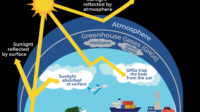
Vitamin D synthesis depends on UVB intensity, which varies by latitude, season, time of day, cloud cover, and even the angle of the sun. Cloudy skies can scatter and block UVB, while heavy rain often corresponds with reduced ultraviolet penetration. The effect isn’t always uniform. A day that appears merely “overcast” may still provide a faint opportunity, whereas prolonged gray can significantly limit UVB reaching the skin.
Your body also needs adequate skin exposure. A hat, sunscreen, long sleeves, and umbrellas—excellent for safety and comfort—can collectively reduce the amount of UVB that actually reaches the skin. The goal during rainy seasons is not to abandon sun protection, but to recognize that protection and vitamin D care must be balanced thoughtfully.
If you’ve ever noticed you “feel” less like going outdoors when the air turns cold and wet, that’s an indirect clue. Lower outdoor activity often brings lower vitamin D input. Your habits, not just the clouds, may be the turning point.
Optimize Sunlight Opportunities Without Playing Roulette
Rainy seasons can include breaks: bright windows between downpours, early afternoon clarity, and occasional sunbeams that slip through the clouds. Vitamin D production requires UVB, so timing matters. Aim for periods when the sun is higher in the sky—typically late morning to mid-afternoon—and choose moments when rain has eased.
Expose skin in a sensible way. Consider short, regular exposure rather than rare, prolonged sessions. For many people, a brief stretch of outdoor time can be more sustainable than an all-or-nothing gamble. If you’re fair-skinned or have a history of photosensitivity, be more cautious and prioritize guidance from a clinician.
Importantly, don’t treat vitamin D as permission to ignore skin cancer prevention. The paradox is real: you can’t optimize UVB without thinking about safe behavior. A reasonable approach is to use sunscreen when UV levels are high or if you’ll be outside for longer, while still capturing “safe-to-step-out” opportunities. Consistency can outperform intensity.
Choose Foods That Act Like Daily Fuel
During rainy seasons, sunlight may become unpredictable. Food then becomes the reliable companion that doesn’t depend on weather systems. Naturally occurring vitamin D is limited, but you can still build a plate that supports your goals.
Prioritize fatty fish such as salmon, sardines, mackerel, and trout. These are often among the most effective dietary sources because vitamin D is fat-soluble and concentrated in certain marine tissues. Egg yolks can contribute as well, though typically at lower levels than fish. Some mushrooms—depending on their exposure to ultraviolet light during cultivation—may offer additional vitamin D, which makes them an intriguing option for plant-forward menus.
Also look for fortified foods. Many dairy products, plant milks, and breakfast cereals may be fortified with vitamin D, but formulations vary. Reading labels turns uncertainty into control. When you purchase deliberately, vitamin D prevention stops being guesswork and becomes a routine.
Try pairing vitamin D-rich foods with small habits: add a salmon or sardine serving twice a week, include eggs a few times weekly if suitable, and choose fortified options when dairy alternatives are used. A rainy season is a perfect moment to plan meals with calm determination, not frustration.
Consider Supplements—But Let Logic Lead
Supplements can be an effective safety net when sunlight is low, dietary intake is inconsistent, or risk factors are present. People who have darker skin pigmentation, live at higher latitudes, spend most of their time indoors, or cover most of their skin for cultural or medical reasons often face greater risk. Age can matter too; older adults may synthesize vitamin D less efficiently.
Yet supplements are not a universal “take more” situation. Over-supplementation can be harmful. The most prudent approach is to consider blood testing—specifically serum 25-hydroxyvitamin D—then use a clinician-guided dose based on your results, health status, and concurrent medications.
If you’re unsure, start with curiosity rather than fear. Ask questions, review your routine, and decide with clarity. Supplements are not a substitute for healthy habits; they’re the bridge that helps your habits meet your needs.
Don’t Forget the Allies: Calcium and Magnesium
Vitamin D works in concert with minerals that support bone structure and metabolic regulation. Calcium is the headline partner, but magnesium plays a subtler role in normal physiological functioning. Without adequate intake of these nutrients, vitamin D’s benefits may feel muted.
Calcium sources include dairy products, calcium-set tofu, canned fish with bones, and some leafy greens. Magnesium can be found in nuts, seeds, legumes, whole grains, and cocoa. Rainy seasons can shift appetites toward comfort foods—often higher in salt and lower in micronutrients—so this is a good time to bring nutrient density back into your routine.
The body likes choreography. When minerals and vitamin D move together, your bones don’t merely “hold up”—they strengthen with intention.
Adjust Your Routine: Micro-Outdoors and Mood Support
Rainy seasons often shrink the world. That shrinkage can affect not only vitamin D, but also movement, sleep, and mental wellbeing. There’s a quiet relationship between outdoor light exposure and circadian rhythms. Less daylight can mean more fatigue and less motivation to exercise—both of which can indirectly worsen health behaviors.
Consider micro-outdoors: short walks between showers, a brief balcony or porch break, or getting daylight early in the day when conditions allow. Keep a compact umbrella, wear weather-friendly shoes, and treat a 10–20 minute outdoor slot as a non-negotiable appointment.
Long sentences aren’t always needed to move forward. Even brief, repeated exposures can help. The key is to make the new routine feel natural, not forced.
Track Progress With Honest Signals
Vitamin D deficiency can be silent. Fatigue, muscle weakness, bone discomfort, or low mood may occur, but these symptoms overlap with many other conditions. The best “signal” is often not how you feel, but what your labs show.
If you suspect low vitamin D, consider discussing testing with a healthcare professional, especially if you’re in a higher-risk group. Also review your intake: how often do you eat vitamin D-rich foods? How much time do you spend outdoors? Are you using sunscreen regularly and covering up for extended periods?
A rainy season is a useful audit period. Not because it’s gloomy, but because it reveals patterns—what you can control, what you can improve, and what needs medical clarification.
Create a Personal Rainy-Season Plan
Prevention works best when it becomes personal and specific. Imagine a plan with three layers: sunlight windows, dietary consistency, and a supplement safety net if appropriate. Pair that with mineral support and routine micro-outdoors. Then, review it at the midpoint of the season. Adjust where needed.
You might even treat vitamin D like a small promise you keep—one that quietly changes your rainy days. And when the sky finally clears, you’ll realize the change wasn’t just weather. It was perspective: you stopped waiting for sunshine and started building resilience.
If you enjoy outdoor spaces and cultural destinations, rainy days can still be navigated thoughtfully—lighter layers under a waterproof coat, brief visits where possible, and steady attention to hydration and comfort.