There’s a particular kind of fatigue that doesn’t stay confined to your muscles. It seems to seep into the architecture of your body—into the beams and braces that hold you upright, pivot you through the day, and keep your steps confident. If your bones feel weak, you may be searching for an obvious answer: overuse, aging, a vitamin you “must” be missing. But sometimes the culprit is quieter than you expect. Vitamin D deficiency can behave like a muted alarm system—subtle early on, then unmistakable once the body’s internal scaffolding begins to lose cohesion. What if the soreness you shrug off is actually a signal, trying to rewrite your habits before stronger harm arrives?
Weak-Bone Sensations: When “Bone Tired” Feels Different
Bone weakness doesn’t always announce itself as dramatic pain. More often, it manifests as a dull ache, an oppressive tenderness, or a sense that your skeleton is less resilient than it used to be. You may notice discomfort in areas such as the hips, lower back, ribs, or legs—places that endure repetitive mechanical stress. The sensation can feel oddly diffuse, like your body is protesting from the inside rather than from a strained surface.
And then there’s the pattern: it lingers. It flares with activity. It eases when you rest, only to return later—almost like a nagging negotiation between your activity level and your body’s mineral reserve. This is one of the first reasons to shift perspective. Instead of asking, “What did I do wrong today?” consider, “What has my body been short of for months?”

Ignored Symptoms: The Ones People Mistake for Normal Life
Many vitamin D deficiency symptoms are deceptively ordinary. People normalize them: the winter-worn mood, the persistent low-grade pain, the “just aging” stiffness that creeps in. Yet the body’s complaints are often too consistent to dismiss.
Look for clues such as:
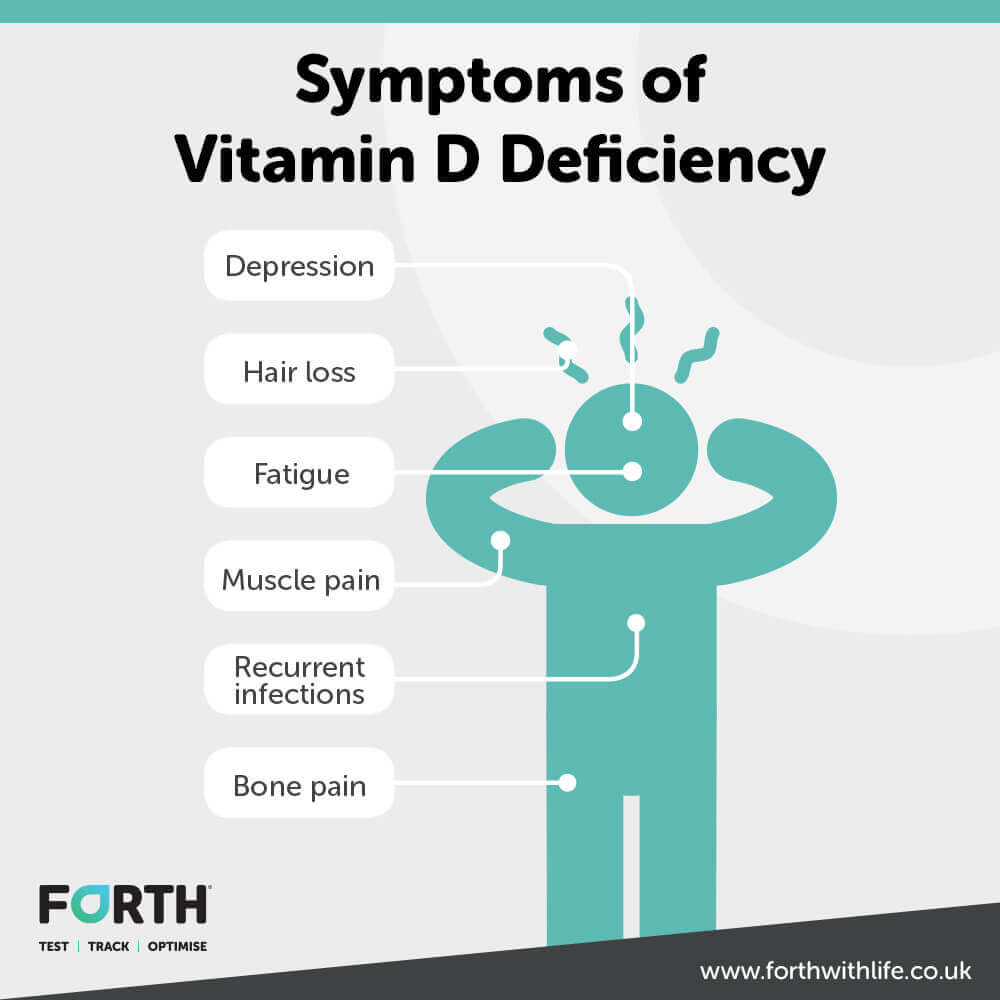
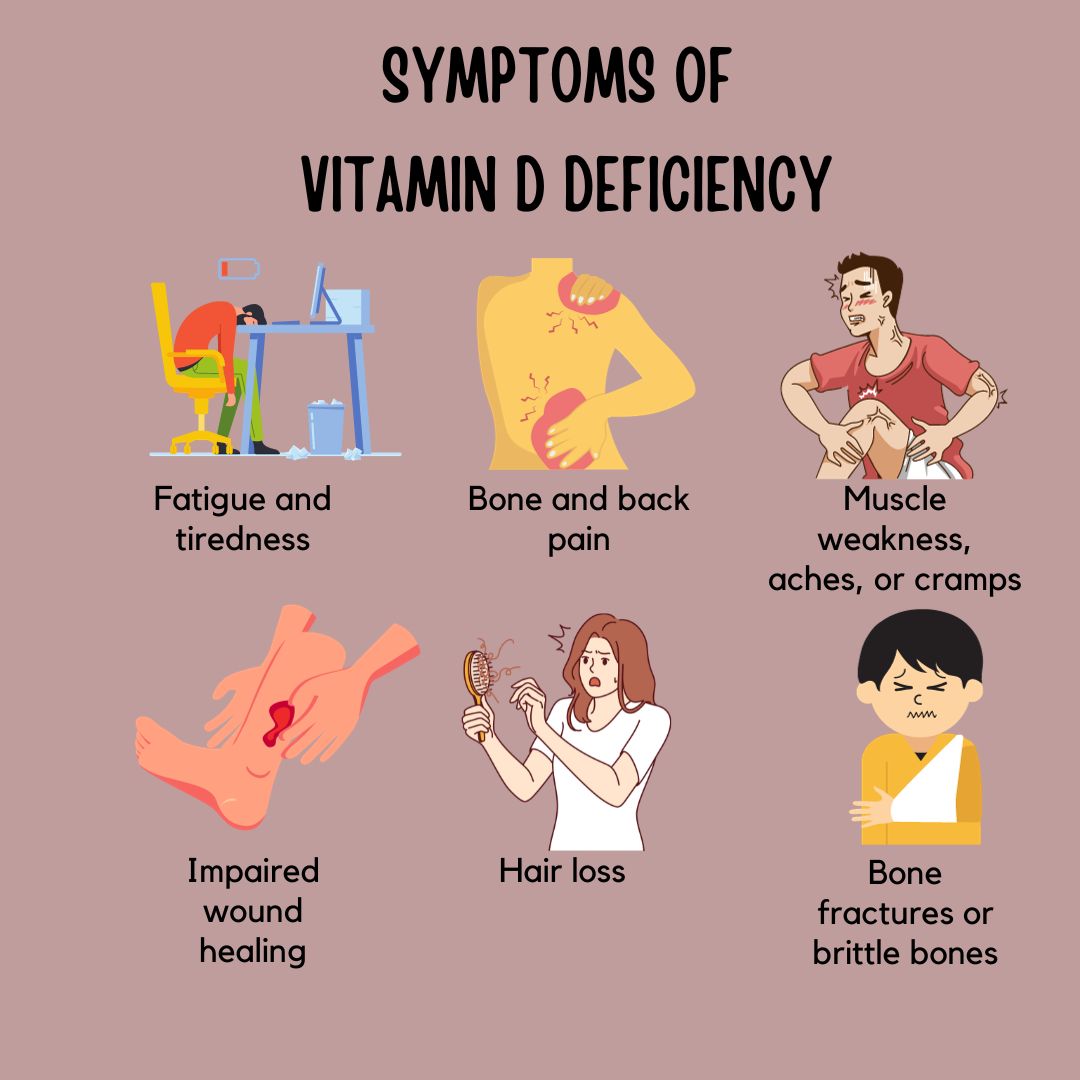
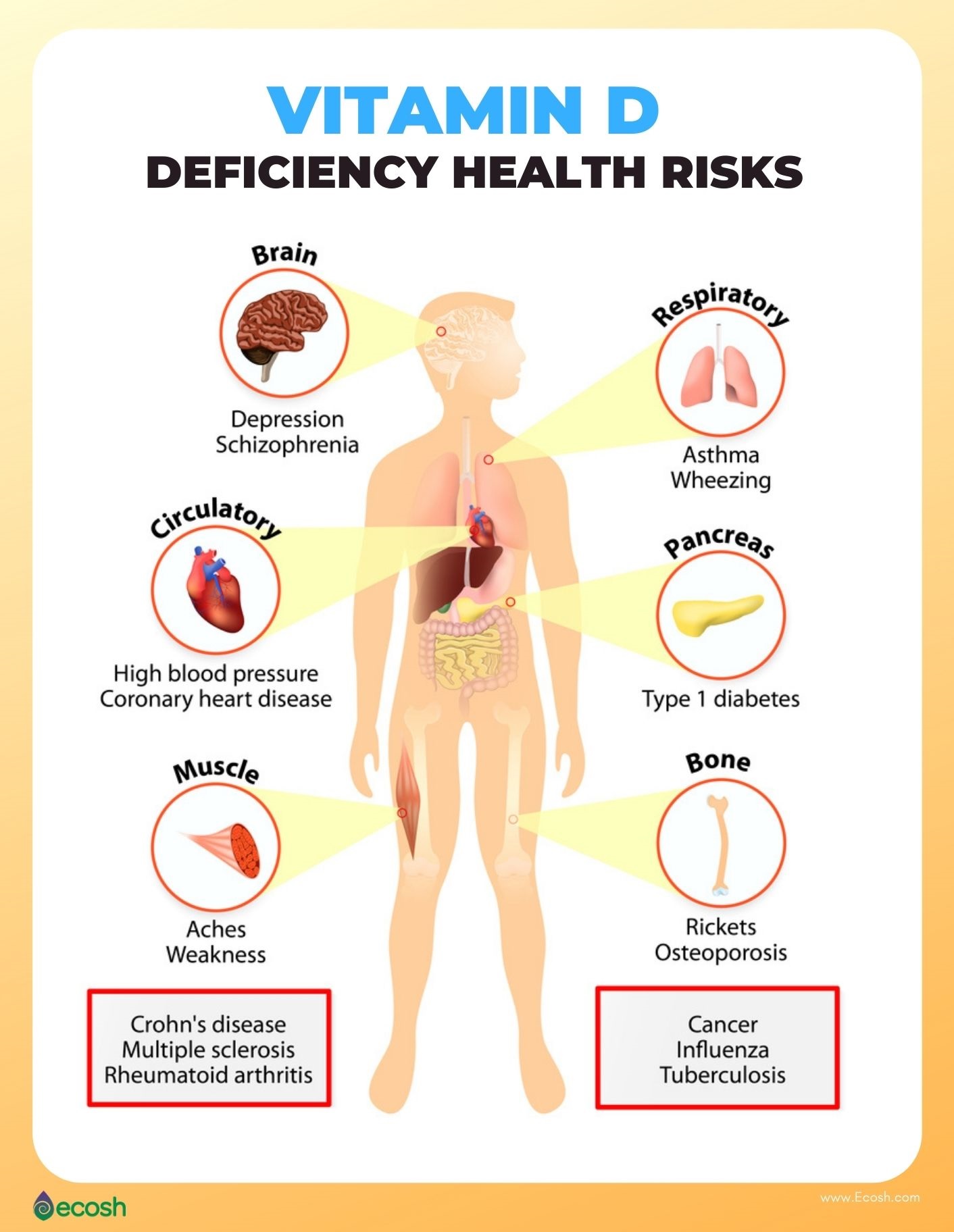
• Muscle weakness—especially in the thighs and hips, which can make climbing stairs feel unexpectedly taxing.
• Bone pain—a lingering ache rather than a sharp injury-specific sting.
• Fatigue that arrives early and doesn’t respond well to extra sleep alone.
• Reduced balance or a subtle wobble while walking—an overlooked precursor to falls.
• Frequent aches that spread across joints and bones, without a clear cause.
Sometimes you’ll also see a general sense of sluggishness, as if the body’s systems are running on a dimmer switch. That’s not imagination; vitamin D plays an essential role in calcium absorption and bone mineralization. When it’s insufficient, your body can struggle to maintain the mineral density that gives bones their strength.
How Vitamin D Deficiency Weakens Bone from the Inside Out
To understand bone weakness, it helps to know what vitamin D is actually doing behind the scenes. Vitamin D helps your intestines absorb calcium. It also supports normal bone remodeling—the ongoing process where old bone tissue is removed and new bone is built. Think of it as architectural management: without enough vitamin D, calcium availability may decline, and bone formation can’t keep up with the remodeling cycle.
Over time, bones can become less dense and more fragile. That fragility doesn’t always arrive as an immediate fracture. It can first show up as discomfort, reduced strength, and a feeling that movement “costs more” than it used to. It’s a slow reallocation of resources—your body prioritizing survival over structural optimization.
In a more severe deficiency, bones may weaken noticeably, and conditions related to softening or impaired mineralization can emerge. The early symptoms are your opportunity to intervene before the story darkens.
Risk Clues You Might Be Carrying Quietly
Vitamin D deficiency isn’t random. Certain life patterns make it more likely—sometimes because of geography, sometimes because of habits, and sometimes because of physiology.
Common risk factors include:
• Limited sun exposure (indoor work, heavy sunscreen without supplementation, clothing that covers most skin).
• Skin pigmentation that reduces vitamin D production from sunlight.
• Age, since skin’s ability to synthesize vitamin D tends to decline.
• Dietary insufficiency, where vitamin D-rich foods are scarce.
• Body weight issues, because vitamin D can become sequestered in fat tissue rather than circulating efficiently.
• Conditions affecting absorption (certain gastrointestinal disorders, surgeries, or chronic malabsorption).
Here’s the intriguing part: even if you think you “get some sun,” deficiency can still occur if your overall exposure is inconsistent or insufficient for your body’s needs. The assumption that “a little sunlight equals enough vitamin D” is a seductive myth.
Promises of Change: Why Early Attention Matters
When people feel bone weakness, they often try to outmuscle the problem—more exercise, more stretching, more rest, more patience. Those can help, but they may not address the underlying scarcity. Vitamin D deficiency is one of those conditions where correction can create a surprisingly tangible shift.
Early attention means you get the chance to restore mineral balance. It means muscle function may improve, because muscle performance and strength depend in part on adequate vitamin D status. It also means your bones may regain a firmer sense of stability—less ache, less “fragile” movement, less fear of certain motions.
There’s an emotional benefit too. When you recognize that your symptoms have a plausible biological explanation, you stop treating your body like an unreliable narrator. Instead, you become a careful listener. That change in relationship—between you and your health—can make the path forward feel less like guessing and more like steering.
What to Watch For: Progression vs. Urgent Signals
Many deficiencies progress slowly, but there are moments when you should not wait. Consider seeking medical evaluation if bone pain becomes persistent, severe, or is accompanied by:
• Unexplained fractures or repeated injuries
• Significant difficulty walking or frequent falls
• New weakness that is worsening rather than fluctuating
• Symptoms that persist despite lifestyle changes
Also pay attention to the “quiet extremes.” Some people describe a widespread discomfort that seems to radiate through their body, yet tests never reveal inflammation. That’s when nutrient deficiency becomes a more compelling suspect than overtraining or stress alone.
Testing and Treatment: Turning Curiosity Into Clarity
The most effective way to move from suspicion to certainty is testing. A clinician may order a blood test to measure 25-hydroxyvitamin D, the standard marker used to evaluate vitamin D status. If the level is low, treatment typically involves vitamin D supplementation and sometimes adjustments to calcium intake, guided by professional advice.
Supplementation strategies vary based on severity, individual health factors, and lab results. Consistency is crucial—vitamin D isn’t a “one-and-done” fix for many people. It’s more like maintaining a steady supply line. Alongside supplements, practical changes can help: reasonable sun exposure, vitamin D–supportive dietary choices, and addressing any absorption barriers.
It’s also wise to consider the broader bone-health picture. Adequate calcium, sufficient protein, regular weight-bearing activity, and overall metabolic health all contribute to stronger skeleton mechanics. Vitamin D deficiency is often a key chapter, but bone health is the whole book.
Rewriting Your Routine: Small Shifts That Add Up
Once you recognize the pattern—weak bones, recurring aches, muscle fragility—you can begin a new approach. Not dramatic. Not frantic. Purposeful.
Try these shifts:
• Build consistency around supplementation if recommended, rather than sporadic dosing.
• Reconsider sun exposure thoughtfully, balancing skin safety with practical exposure needs.
• Strengthen gently with weight-bearing and resistance training, as tolerated—your bones enjoy regular, calibrated stress.
• Prioritize nutrition, including calcium and vitamin D–supportive foods.
• Track symptom changes over weeks, not days. Bone-related issues often respond gradually.
Your body communicates in time scales. Vitamin D deficiency is one of the reasons those messages can be ignored until they grow louder. But once you listen, the story changes. The ache becomes a clue. The weakness becomes a roadmap. And the next step—testing, treatment, and routine—becomes less of a gamble and more of a deliberate choice to rebuild strength from the inside out.