After age 40, bones begin to speak a quieter language. You may not hear it in the morning, but your body keeps a running ledger: calcium balance, vitamin D status, and the pace at which bone is remodeled. That’s why the question “How much vitamin D do I need?” becomes less about trivia and more about architecture—how well your skeleton builds and maintains its scaffold through the years. And if you’ve ever noticed that supplement bottles feel oddly similar while your needs feel strangely personal, you’re not alone. The fascination with vitamin D isn’t merely fashionable; it’s rooted in a deeper biological choreography.
Why Vitamin D Matters for Bone Density After 40
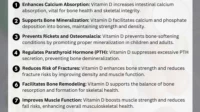
Vitamin D is the backstage conductor for bone metabolism. Without adequate vitamin D, your intestines absorb calcium less efficiently. The result is not immediate catastrophe. Instead, it’s a slow, cumulative thinning of the bone’s mineral reservoir—especially noticeable over time when natural remodeling tips in favor of resorption. Bones remain alive tissue; they are not inert structures. When vitamin D is insufficient, the body compensates in subtle ways, including changes in parathyroid hormone signaling that can nudge calcium out of bone to keep blood levels stable.
After 40, this balance can become more delicate. Muscle function often changes, activity patterns may shift, and turnover rates can subtly alter. Vitamin D acts like an optimization lever. It doesn’t “create” bone in isolation, but it helps the body use the calcium and phosphorus you already have—and that is crucial for preserving bone density.
The Common Observation: “I Took Vitamin D Before—Do I Need More Now?”
Many adults notice a curious inconsistency. A person might have taken vitamin D earlier in life, felt fine, and then later wonder whether aging creates new requirements. The deeper truth is that needs are influenced by more than time. Age can correlate with reduced skin synthesis of vitamin D, but the actual outcome depends on sun exposure, skin pigmentation, body composition, dietary intake, kidney function, medication use, and even seasonal patterns.
Some people assume the solution is simply “more.” But in bone health, the relationship is not always linear. Too little vitamin D undermines calcium absorption; too much can create toxicity risks. The fascination here is understandable: vitamin D feels like a single knob you can turn. Yet biology behaves more like a control panel with multiple settings.
Typical Daily Recommendations for Adults Over 40
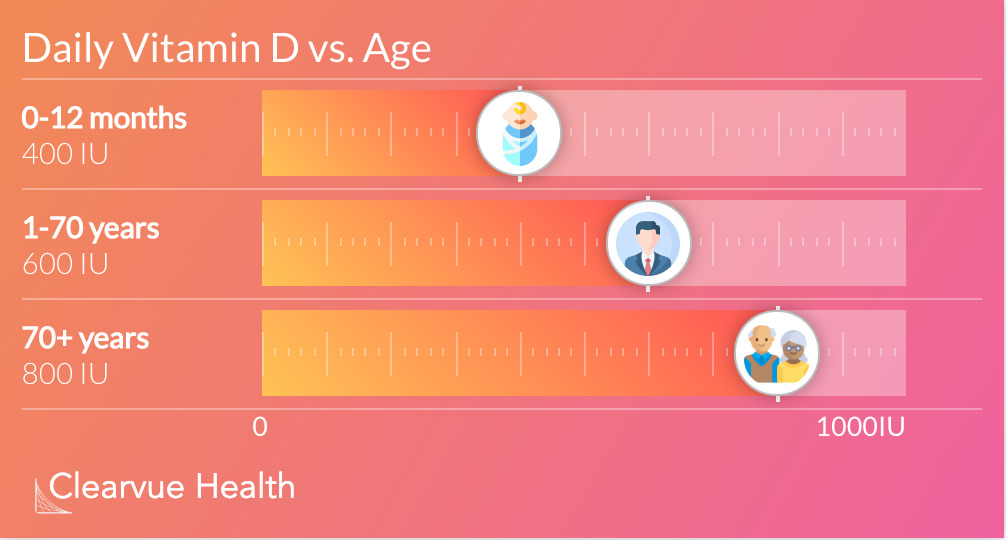
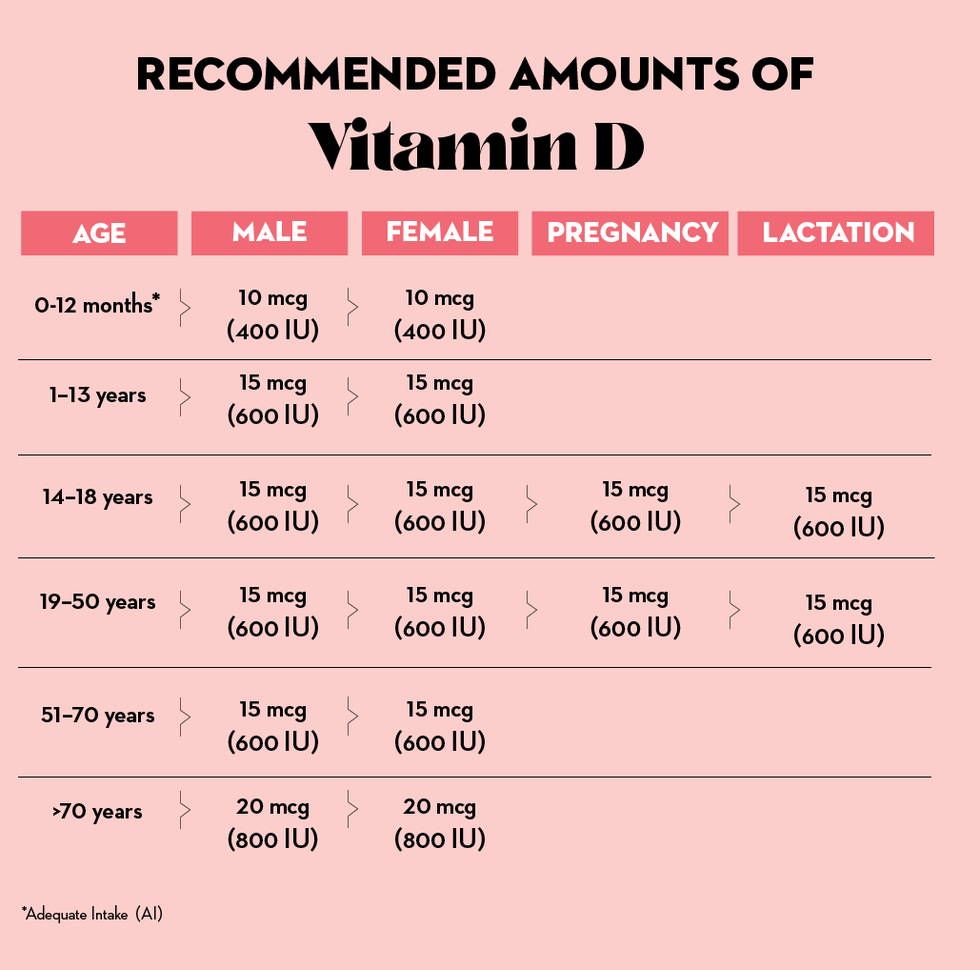
General guidance for vitamin D intake often centers on maintaining adequate serum levels. For many adults, recommended intakes commonly range from 600 IU to 800 IU per day. However, the “right” amount depends on whether you’re meeting baseline needs through sun and diet, your measured blood level, and your clinical context.
If you’ve never had your vitamin D status checked, you may be relying on averages. That can work for some people, but after 40, the margin for error can narrow. If you have risk factors for low vitamin D—limited sun exposure, darker skin, malabsorption disorders, osteoporosis risk, or certain medications—your clinician may recommend a higher maintenance dose. The aim is not to chase a number blindly, but to support mineralization processes that keep bones resilient.
From Blood Test to Bone: Interpreting Your Vitamin D Level
Serum 25-hydroxyvitamin D is typically used to assess vitamin D status. When levels are low, calcium absorption declines, and bone remodeling can become less favorable. When levels are adequate, the system can run with smoother efficiency, supporting normal mineralization.
Still, interpretation requires nuance. Some individuals feel fine despite borderline levels, while others develop complications sooner. Deeper reasons include differences in vitamin D receptor sensitivity, dietary calcium intake, hormonal milieu, and how rapidly bones respond to changes in mineral availability. Blood tests offer clarity, but they don’t capture the entire story. Bone density is the final printout; vitamin D is one of the inks.
Risk Factors That May Mean You Need More
Not every 40-plus adult has the same vitamin D “demand.” If you spend most days indoors, cover most of your skin, live in regions with limited winter sunlight, or wear sunscreen consistently without compensatory intake, your vitamin D production may be constrained. Body composition also matters. Vitamin D is fat-soluble, and higher adiposity can be associated with lower circulating availability.
Malabsorption can be another pivotal factor. Conditions affecting the gut or fat absorption—plus bariatric surgery history—can impair uptake. Kidney and liver health influence the conversion of vitamin D into usable forms. Additionally, certain medications can accelerate vitamin D breakdown or alter calcium metabolism. When these variables stack, your baseline intake may need to rise, ideally under medical guidance.
How Much Calcium Do You Need Alongside Vitamin D?
Vitamin D without calcium can feel like a supportive coach without a team. Calcium provides the raw material for mineral deposition. Many guidelines for adults emphasize total daily calcium intake through food and supplements when necessary, often in the vicinity of 1,000 mg to 1,200 mg per day depending on age and sex.
Food first is a pragmatic approach. Dairy products, fortified plant milks, leafy greens, and certain fish contribute calcium while offering additional nutrients. If diet falls short, supplementation may help—but it’s best tailored to individual needs, kidney health, and dietary patterns. When vitamin D and calcium align, the body has the ingredients it needs to support bone density more effectively.
Choosing a Supplement: D3, Daily Dosing, and Quality Matters
Vitamin D3 (cholecalciferol) is often preferred for raising and maintaining vitamin D status. Dosing schedules vary—some people thrive on daily micro-doses; others use larger periodic dosing. The “best” method is less about preference and more about adherence and stability. Consistency tends to be the stealth advantage.
Quality matters too. Look for third-party testing or reputable manufacturing practices to reduce variability. If you’re sensitive to fillers or have dietary restrictions, choose a form that fits your physiology and routines. The goal is reliable absorption, not a dramatic one-time event.
How Long Does It Take to See an Effect?
Vitamin D status can improve within weeks of appropriate dosing, but bone density changes take longer. Bone remodeling is ongoing and gradual. Think of it as slow construction rather than instant repair. If you start vitamin D now, you may notice improvements in blood markers sooner, while bone density and fracture risk reduction unfold over months to years.
That timeline is another reason people become fascinated. The process invites patience. It also demands a holistic plan, because vitamin D works best alongside movement, muscle strengthening, and nutrition.
Exercise, Protein, and Lifestyle: The Other Pillars of Bone Density
Vitamin D supports mineralization, but it cannot outmuscle physiology. Weight-bearing activities—walking, climbing stairs, dancing—encourage bones to respond to mechanical loading. Resistance training strengthens muscles that pull on the skeleton, stimulating bone formation signals. Balance work can reduce fall risk, which is often the decisive factor in fractures.
Protein intake influences bone health indirectly by supporting muscle mass and overall tissue repair. Sleep quality, smoking cessation, alcohol moderation, and maintaining a healthy body weight also play roles. Bone density is a composite outcome. Vitamin D is one essential component of the mosaic.
When to Talk to a Clinician (And When to Act Immediately)
It’s reasonable to consult a clinician if you have a history of fractures, known osteoporosis or osteopenia, chronic kidney disease, malabsorption, persistent low vitamin D, or long-term use of medications that affect bone. Also consider evaluation if you are experiencing symptoms related to low calcium or bone turnover concerns, such as unexplained muscle weakness.
If a deficiency is confirmed, your care plan may include a repletion phase followed by maintenance dosing. The advantage of guidance is precision: the dose becomes a tailored instrument rather than a guess.
A Practical Way to Decide Your Vitamin D Intake After 40
Start with a simple inventory. How much sun do you get in different seasons? What’s your dietary calcium intake? Do you have risk factors for deficiency? Then consider a blood test to understand your baseline. If you don’t have results yet, many adults begin with commonly recommended maintenance ranges and adjust based on follow-up measurements and clinical context.
Bone health doesn’t reward impulsive decisions. It rewards steady, informed ones. Vitamin D is powerful, but its power is most visible when it is paired with calcium, strength-building movement, and a lifestyle that supports bone remodeling rather than interrupts it.
Ultimately, the question “How much vitamin D do I need after 40?” is less about a single number and more about alignment—aligning your intake with your biology, your habits, and your measured status. When those pieces fit, bone density becomes not a distant concern, but a manageable goal.