Some health stories feel ordinary—until you notice the patterns. Varicose veins are often treated like a cosmetic inconvenience, a picturesque reminder of gravity and time. But under the surface, circulation is negotiating every day: pressure gradients, valve choreography, and the subtle chemistry of inflammation. Vitamin D3 + K2 enters this conversation like a quiet reframing—less “quick fix,” more “architectural support” for the systems that keep blood flow graceful.
Varicose Veins: More Than Surface-Deep
Varicose veins don’t simply appear because a person stands too long or ages. They emerge when venous valves—those tiny doors meant to prevent backflow—become inefficient. The consequence is venous pooling, increased local pressure, and a downstream cascade of discomfort: heaviness, aching, swelling, and that persistent sense of “my legs never fully reset.”
Here’s the perspective shift: instead of asking only, “Why do I see veins?” consider, “What conditions made the vascular environment permissive?” Chronic low-grade inflammation, oxidative stress, and vascular remodeling can influence how robust the vessel wall remains over time. When circulation becomes sluggish, everything else tends to follow—skin tone, microcirculation, and even how resilient tissue feels when you move.
Vitamin D3 + K2 doesn’t replace medical evaluation, compression strategies, or lifestyle interventions. Still, it can act as a background mechanism that supports vascular and cellular function—one that many people overlook when they focus exclusively on the visible symptom.
The Curious Role of Vitamin D3 in Vascular Signaling
Vitamin D3 is often introduced as a bone nutrient, yet its influence is broader than many expect. It behaves like a signaling molecule: it interacts with receptors present in immune cells and various tissues, helping to shape inflammatory tone. In a body where inflammation runs too hot for too long, blood vessels can become more vulnerable to dysfunction.
Think of vitamin D3 as a “regulatory compass.” When levels are suboptimal, the body may lean more heavily on inflammatory signaling pathways. That doesn’t mean every deficiency causes varicose veins. It means the terrain is affected. And once the terrain is altered, venous walls can respond differently—stiffer, less adaptable, and potentially more prone to remodeling.
Vitamin D3 also participates in calcium homeostasis indirectly, which matters because vascular smooth muscle behavior is influenced by calcium dynamics. Smooth muscle tone affects vessel diameter, and vessel diameter affects flow. Flow, in turn, affects pressure distribution. Small changes compound.
Vitamin K2: The “Molecular Switch” for Vascular Integrity
Vitamin K2 is where curiosity tends to deepen. Many people hear “vitamin K” and stop at clotting. But K2’s job is more nuanced. It supports proteins that regulate how calcium is deposited and handled. In healthy physiology, calcium belongs in bone. In an unhealthy vascular environment, calcium can be recruited into soft tissues—an unwanted form of stiffening.
When vascular walls become less elastic, circulation can feel like moving through a maze of narrowed passages—even if the vessels still “look fine” at first. Varicose veins involve structural changes, including altered venous wall properties and valve function. By supporting systems that influence calcium handling, vitamin K2 may help create conditions where vessels maintain better integrity.
It’s not magic. It’s biochemistry working quietly in the background, one molecular step at a time.
Why D3 + K2 Together Can Feel Like a Coherent Strategy
Vitamin D3 and vitamin K2 often travel as a pair for a reason. D3 increases the availability of calcium signaling and absorption pathways. K2, in turn, helps direct calcium toward where it belongs—supporting processes related to bone and reducing the chance of misdirected calcification tendencies in soft tissues.
So the “shift in perspective” is this: instead of treating varicose veins as a solitary leg problem, consider a systemic relationship between nutrient status, inflammatory balance, and vessel biology. Circulation is not only mechanical; it’s also biochemical.
D3 helps set the stage for regulatory signaling. K2 helps refine where certain calcium-related processes point. When both are present in appropriate amounts, the body can be more aligned—less chaotic, more purposeful.
Circulation and Microvascular Support: The Inside Story
Even when varicose veins are prominent, they rarely exist alone. Surrounding tissues can experience altered oxygen exchange and microcirculatory changes. That’s why some people report that symptoms fluctuate with activity, heat, and even sleep quality.
Vitamin D3’s influence on immune modulation may affect how the body handles oxidative stress—one of circulation’s silent adversaries. Meanwhile, vitamin K2’s involvement with calcium-regulating proteins relates to tissue resilience. Resilient tissue tolerates pressure and fluctuating flow more effectively.
Here, an important nuance: supplementation can’t “unwind” valve failure overnight. But it can influence the conditions under which veins and adjacent tissues either stay healthier longer or become less forgiving. Consider it like maintaining infrastructure. You may not remove an old crack instantly, yet you can reduce the rate at which the road deteriorates.
What Results Might People Hope For?
Expectations deserve careful framing. No supplement can guarantee disappearance of varicose veins. However, people sometimes seek measurable improvements that are less dramatic but more livable: reduced heaviness, fewer cramps, less visible progression, and a calmer sensation in the legs after prolonged standing.
Some also report improved overall well-being—better mood, steadier energy, and a sense of bodily “coherence.” These observations can happen when vitamin D status improves, especially in those who start with low levels. Still, individual responses vary widely.
Think in timelines: circulation support is seldom instantaneous. Vascular biology operates on gradual remodeling cycles. If change happens, it often unfolds as subtle normalization—days where symptoms feel less insistent, weeks where recovery after activity is quicker.
Dosage Wisdom: Finding Balance Without Overconfidence
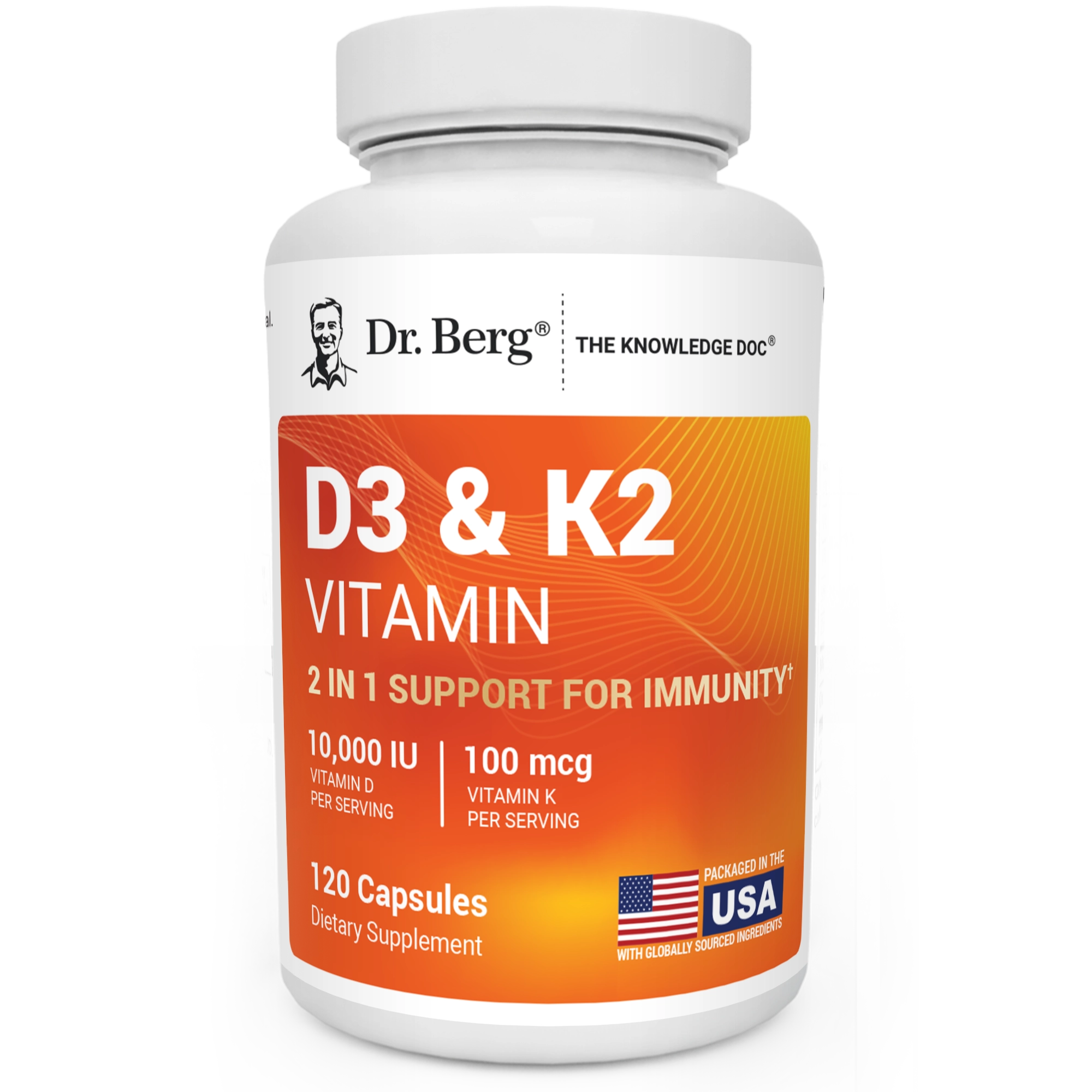
Supplement labels commonly list vitamin D3 in IU and vitamin K2 in mcg, often within combination products. D3 might appear as 1,000 IU or 5,000 IU; K2 may be listed in micrograms aligned with MK-7 forms in many modern formulas.
But dosage isn’t a numbers game. It depends on baseline vitamin D status, sun exposure, dietary intake, body weight, and existing health conditions. High vitamin D without appropriate context can lead to problems. K2 also needs thoughtful consideration, especially for people on anticoagulant medication.
Better question to ask: “What would be a reasonable target for my physiology?” A healthcare professional can guide this using lab testing, which turns supplementation from guesswork into strategy.
Safety Notes and Medication Interactions
Vitamin K2 requires extra caution for anyone taking warfarin or other vitamin K–sensitive anticoagulants. Altering vitamin K intake can change medication effectiveness and increase risk. This isn’t an argument to avoid K2 in general—it’s an argument to coordinate.
Vitamin D3 safety also matters. Excessive D can contribute to elevated calcium levels, potentially affecting kidneys and overall metabolic balance. That’s why testing and individualized guidance matter more than trend-based dosing.
If you have kidney disease, a history of calcium stones, or other endocrine concerns, extra care is warranted. Varicose veins themselves also call for assessment, especially if there’s pain, sudden swelling, skin changes, or signs of clotting.
Beyond Supplements: The Circulation Lifestyle Stack
Even the most supportive nutrient strategy works best alongside circulation-friendly habits. Compression garments are often foundational—like scaffolding for compromised valves. Movement helps the muscle pump: walking, calf raises, and gentle mobility reduce pooling.
Elevate your legs when possible. Hydration supports overall blood viscosity. Limit prolonged sitting or standing; change posture frequently. If heat worsens symptoms, cooling measures can be surprisingly effective.
And yes—diet matters. Anti-inflammatory patterns rich in colorful vegetables, omega-3 sources, and sufficient protein provide the raw materials tissue needs for maintenance and repair. Supplements aren’t substitutes; they’re collaborators.
How to Evaluate Progress: A Practical Curiosity Checklist
Instead of waiting for a “before-and-after” photo miracle, track lived outcomes. Use a simple rating: heaviness (0–10), swelling tendency, discomfort after standing, and morning leg restlessness. Note how symptoms change after activity, weather shifts, and sleep.
Also consider vascular imaging or clinical follow-up when appropriate. Symptoms alone don’t capture structural changes, yet they reflect functional changes—how well circulation is coping day to day.
When D3 and K2 are part of a broader plan, progress may look like fewer flare-ups, quicker recovery, and a calmer baseline. The goal becomes steadiness, not spectacle.
When to Seek Medical Attention
Varicose veins are common, but certain warning signs deserve prompt evaluation. Seek medical advice if you notice sudden one-sided swelling, severe pain, redness, warmth, or skin discoloration. Shortness of breath or chest pain requires urgent emergency care, as it can indicate a serious clotting event.
Additionally, if symptoms worsen rapidly, ulcers appear, or conservative measures fail, a clinician can discuss interventions—from targeted procedures to compression adjustments.
Supplements can complement care, but they should never delay safety-first decisions.
Looking Forward: A New Lens on Leg Health
Vitamin D3 + K2 invites a different question: not only “How do I cover up the veins?” but “How do I support the physiology that influences circulation and vessel resilience?” That’s a more powerful frame. It turns leg health into a living system—one that responds to nutrients, movement, pressure management, and inflammatory control.
The story isn’t about chasing a single pill. It’s about cultivating conditions where your circulation can feel more cooperative. Over time, that approach can create the kind of change that’s hard to photograph but unmistakable in how your body moves through the day.