People often notice that appetite is never governed by a single lever. It behaves more like an orchestra than a switchboard—many signals converging, competing, and sometimes harmonizing. In that crowded symphony, vitamin D has quietly drawn attention. Not because it is a classic appetite hormone, but because its influence appears to ripple through metabolic pathways that also intersect with incretin biology, including GLP-1. Could vitamin D be “adding to” GLP-1’s effects—or acting through parallel channels that make GLP-1 look stronger? The story is intriguing precisely because it challenges a common simplification: that appetite regulation is purely about calories and willpower.
Appetite regulation: a multi-system conversation rather than a single pathway
Appetite is orchestrated by signals that arise in the gut, pancreas, adipose tissue, liver, immune system, and—most importantly—by the brain integrating these inputs. The result is a dynamic feedback loop. Short-term meals depend on gut peptides and neural cues, while longer-term body weight involves inflammatory tone, energy storage status, and hormonal set points. When this coordination goes awry, hunger becomes less discriminating and satiety less reliable.
Within this framework, it is not surprising that researchers look beyond one hormone. One reason is pragmatic: appetite has multiple “entry points.” Another is mechanistic: many regulators share downstream nodes such as insulin signaling, bile acid biology, hepatic metabolism, and inflammatory mediators. Vitamin D, though traditionally discussed in the context of bone health, is increasingly implicated in several of those nodes. That makes it plausible—though not guaranteed—that it could modulate the same network that GLP-1 participates in.

Vitamin D’s metabolic identity: more than calcium and bones
Vitamin D behaves like a pleiotropic regulator. Once converted to its active form, it engages nuclear receptors that modulate gene expression. Those genetic effects can reach far beyond skeletal maintenance, touching immune signaling, insulin sensitivity, oxidative stress response, and cellular differentiation. All of those processes can influence metabolic health—the terrain in which appetite hormones operate.
Consider adipose tissue. It is not merely a storage depot; it behaves like an endocrine organ. Vitamin D may influence adipocyte function and inflammatory cytokine patterns. In turn, inflammatory mediators can shape satiety and feeding behavior indirectly. Inflammation can blur the brain’s ability to interpret metabolic status. Thus, vitamin D might contribute to appetite regulation by improving metabolic “readability,” so the brain and gut communicate with fewer distortions.
How vitamin D could influence hunger and satiety signals
Appetite is often described through hunger-promoting and satiety-promoting mechanisms. The hypothalamus plays a central role, integrating peripheral signals into behavioral outcomes. Vitamin D may affect this axis through multiple plausible routes: modulation of leptin sensitivity, changes in insulin signaling, effects on inflammatory tone, and influences on neurotransmitter systems. Some pathways are direct—through receptor-mediated effects in relevant tissues—while others are indirect—by altering systemic metabolism.
One fascinating aspect is that vitamin D deficiency is common and frequently aligns with insulin resistance and weight gain. That correlation does not automatically prove causality, yet it suggests a background condition that could tip appetite regulation toward dysregulation. If deficiency nudges metabolic inflammation upward or insulin signaling downward, then hunger signals may feel more persuasive, and satiety may arrive later than it should.
GLP-1 and the incretin bridge: where gut signals reshape appetite
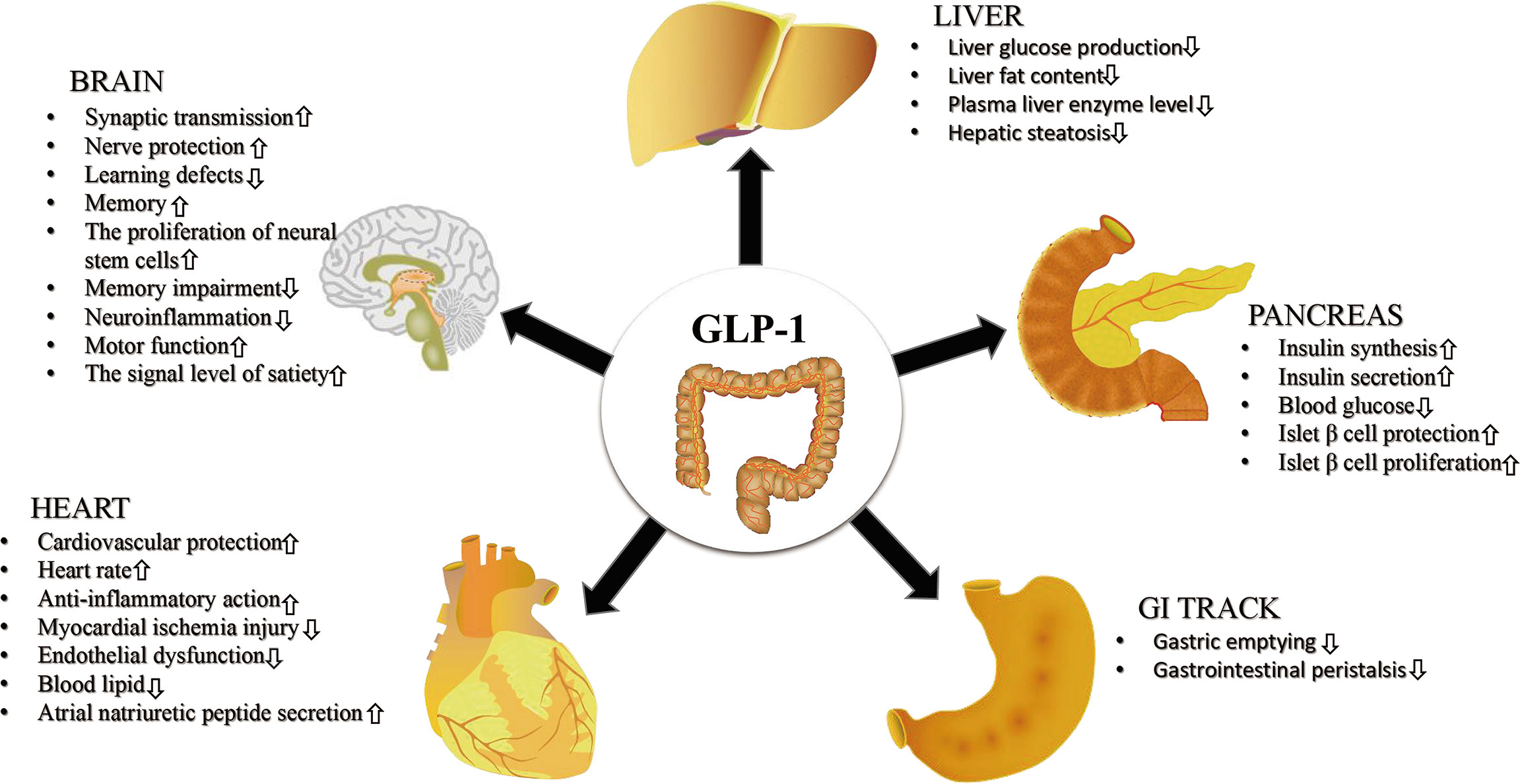
GLP-1 (glucagon-like peptide-1) is a key incretin hormone released from the gut, especially after nutrient ingestion. Its effects are multifaceted: it enhances glucose-dependent insulin secretion, slows gastric emptying, and communicates satiety to the brain. Many GLP-1–based therapies achieve weight-loss partly through these satiety and motility effects.
But GLP-1’s story also reaches the liver and broader metabolic regulation. When GLP-1 triggers gut–liver metabolic signaling, it can improve nutrient handling and reduce the metabolic cues that drive overeating. That matters for appetite because the brain responds not only to “hunger” but to the body’s sense of energy status. GLP-1, therefore, is not only an appetite inhibitor—it is a metabolic translator.

Adds to GLP-1? The case for synergy rather than substitution
The question is not merely whether vitamin D affects appetite. The question is whether it could amplify GLP-1’s influence or reduce biological friction that limits GLP-1 responsiveness. Several deeper reasons make the idea of synergy plausible.
First, vitamin D may improve insulin sensitivity. Since GLP-1 works within glucose-dependent pathways, a healthier insulin signaling environment could allow GLP-1 to exert a more coherent downstream effect—both metabolically and behaviorally.
Second, vitamin D’s anti-inflammatory potential could refine the gut–brain signaling landscape. Inflammation can dampen hormone responsiveness and interfere with receptor signaling. If vitamin D lowers inflammatory interference, GLP-1’s satiety cues might feel sharper and more durable.
Third, vitamin D may influence bile acid signaling and gut ecosystem dynamics indirectly. Although the mechanisms are complex, the gut is a busy biochemical city; GLP-1 does not work in isolation. Nutrient sensing, microbial metabolites, and hepatic bile handling collectively influence appetite. Vitamin D could plausibly shift this ecosystem in a direction that complements incretin signaling.
In short: vitamin D might not replace GLP-1’s mechanisms. It might act like a tuning fork—nudging the system so GLP-1’s notes carry farther.
Vitamin D receptor “hotspots” in appetite-relevant tissues
Receptors for vitamin D appear in a variety of tissues that matter for appetite and metabolism. When receptors are present, the molecule is not a bystander; it can participate in local regulation. This includes tissues connected to immune signaling and metabolic control, both of which influence appetite indirectly through cytokines, insulin sensitivity, and neural signaling readiness.
Some tissues interface with the hypothalamus and brain networks controlling feeding. Others govern peripheral metabolic outputs that the brain uses as proxies for energy sufficiency. Even modest changes in these outputs can cascade into changes in meal size, meal frequency, and cravings.
That’s why the “deeper reasons for fascination” extend beyond the novelty of vitamin D. The fascination lies in the network logic: vitamin D may adjust the variables that appetite systems interpret, even if it is not the direct command issuing satiety.
Why deficiency might be more than a number on a lab report
Low vitamin D levels are often discussed as a deficiency problem, but the physiological consequences may extend into appetite regulation. Deficiency may correlate with reduced muscle function, altered energy expenditure, heightened inflammatory signaling, and insulin resistance—all of which can affect hunger patterns and metabolic preference.
Sometimes, overeating is not driven by “stronger hunger” but by a weaker satiety signal. In such cases, the body may seek food more persistently because it struggles to perceive stability. If vitamin D deficiency contributes to this impaired perception—through insulin resistance or inflammation—then correcting deficiency could restore the accuracy of appetite feedback loops.
There is also the behavioral layer. When metabolic health improves, cravings can diminish. Energy can feel steadier. People often describe a shift from restless appetite to more predictable hunger. Whether that experience is fully explained by vitamin D alone is uncertain; still, deficiency correction is a biologically coherent place to look for part of the answer.
Therapeutic implications: what might a combined strategy aim to achieve?
Because GLP-1–based therapies already target appetite through gut–brain and metabolic pathways, vitamin D could be considered a “supporting variable” in comprehensive metabolic care. The goal would not be to treat vitamin D deficiency as a standalone appetite drug. Instead, it might be used to reduce background metabolic turbulence, potentially improving the consistency of satiety signals and metabolic outcomes.
In practice, meaningful supplementation requires appropriate evaluation. Vitamin D dosing should be individualized, since excessive intake carries risks. Yet the broader conceptual point remains: a person’s responsiveness to incretin pathways may depend on systemic readiness, including immune tone and insulin signaling—domains where vitamin D potentially matters.
What remains uncertain—and why the questions are worth asking
Science rarely moves in straight lines. Vitamin D studies in appetite show promising directions, but findings can vary by population, baseline deficiency status, timing, and coexisting metabolic conditions. Additionally, GLP-1 responsiveness varies widely among individuals due to differences in genetics, gut microbiota, inflammation, and metabolic baseline.
This is precisely why deeper investigation is compelling. Researchers are not simply searching for a single magic supplement. They are exploring whether vitamin D can modulate the same biological climate in which GLP-1 exerts its strongest effects. If synergy exists, it could reshape how clinicians think about metabolic therapy—shifting from isolated interventions to network-based optimization.
A concluding perspective: the appetite network appreciates “context”
Appetite regulation is a multi-layer phenomenon, and vitamin D may influence that system by adjusting metabolic and inflammatory context. GLP-1, meanwhile, actively changes gut–brain and gut–liver signaling to promote satiety and metabolic improvement. The fascination comes from the possibility that vitamin D does not compete with GLP-1, but rather complements it—helping the body interpret energy signals with greater clarity and less biochemical noise.
In a world where appetite drugs increasingly succeed, the question turns from “Can we suppress hunger?” to “Can we optimize the physiology that governs hunger?” Vitamin D, with its broad regulatory reach, invites precisely that kind of thinking.