Picture your scalp as a city of living roots—quiet streets of follicles that demand steady resources. Among those resources, vitamin D has a way of acting like more than a nutrient; it behaves like a signal courier, helping regulate cell growth, immune balance, and the micro-environment around hair. So when vitamin D levels run low, it’s reasonable to wonder: could that shortage quietly tip the scales toward hair thinning—or even something more elusive like alopecia? The answer isn’t a simple yes-or-no. Yet the possibility is intriguing enough to deserve a closer look, with a mindset that shifts from blame to understanding.
Vitamin D: More Than “Bone Nutrition” for Hair Follicles
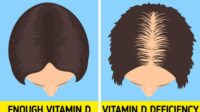
Vitamin D is often introduced as a bone-health hero, but its influence extends further than the skeleton. In the skin, including the scalp, vitamin D participates in cellular communication. Hair follicles are not passive structures; they are dynamic mini-organs that cycle through growth (anagen), transition (catagen), and rest (telogen). Vitamin D receptors (VDRs) are present in many tissues, and follicular signaling appears to be one of the places vitamin D may matter.
When levels are low, the scalp’s internal “conversation” may become less coherent. That could affect follicle cycling efficiency, inflammation control, and the overall readiness of roots to produce resilient shafts. Think of it as turning down the volume on a complex orchestra—nothing instantly collapses, but the performance becomes less harmonious.
Low Vitamin D and Hair Thinning: How the Link Might Work
Hair thinning can occur through multiple pathways: hormonal changes, stress physiology, nutritional deficits, thyroid imbalance, and inflammatory processes. Low vitamin D may intersect with several of these mechanisms at once. For example, vitamin D is involved in immune modulation. Since inflammation can disturb follicle function, altered immune signaling could indirectly nudge hair shedding or thinning patterns.
Vitamin D also participates in oxidative balance and barrier integrity. A scalp that becomes chronically irritated or inflamed tends to create a hostile microclimate. Under that pressure, hair may shed sooner, grow slower, or appear finer. The visible outcome can be gradual thinning—sometimes diffuse across the scalp, sometimes more noticeable in the crown or part line.
Still, it’s worth holding a careful perspective. Low vitamin D does not automatically mean vitamin D caused the thinning. It may be a contributing factor, an associated condition, or a marker that someone’s overall lifestyle and sun exposure have shifted.
Alopecia Areata: Could Vitamin D Be a Missing Piece?
Alopecia areata is an autoimmune condition that can cause sudden patches of hair loss. Because it involves immune dysregulation, vitamin D enters the conversation naturally. Vitamin D plays a role in immune system calibration—helping shift immune behavior toward balance rather than overreaction.
Some research suggests that people with alopecia areata may have lower vitamin D levels compared with those without the condition. However, correlation isn’t destiny. A reduced vitamin D level could be both a participant and a bystander. Stress, reduced outdoor activity, and inflammatory burden may also influence vitamin D status.
If vitamin D truly contributes, it would likely do so by shaping immune tone and follicular resilience. In that worldview, supplementation isn’t a magic wand. It’s more like restoring the background lighting in a dark room—one element of the environment, not the entire architecture.
Telogen Effluvium: Where Vitamin D Deficiency Might Fit the Puzzle
Telogen effluvium is a shedding pattern that often follows a trigger: illness, major stress, surgery, or nutritional disruption. Hair may suddenly shed, especially a few months after the inciting event. The timing can be telling, because follicles don’t transition instantly—they follow their own calendar.
If low vitamin D coincides with a period of physiological stress, the deficit might amplify the shedding response. Vitamin D’s involvement in inflammation control and cellular regulation could make the scalp more vulnerable during recovery phases. Yet telogen effluvium usually has a multifactorial origin. Think of it as a domino cascade where vitamin D is one tile among several.
This is where a shift in perspective helps: instead of asking, “Did vitamin D cause everything?” ask, “Could it be one lever among the levers?” That approach keeps you anchored in evidence while still addressing real-world biology.
Other Causes That Can Mimic Vitamin D-Related Thinning
Hair is a complex output, and many issues can masquerade as the same symptom. Iron deficiency (low ferritin) is famously linked with shedding. Thyroid dysfunction can also affect hair texture and growth patterns. Hormonal fluctuations—especially related to androgen sensitivity—can drive pattern thinning.
Additionally, scalp conditions such as seborrheic dermatitis or chronic inflammation can change hair’s quality and density. Genetics can set the baseline likelihood of progressive thinning. Even tight hairstyles and traction can contribute.
So if vitamin D is low, it should be treated like a clue—not a conclusion. A clinician might evaluate ferritin, thyroid markers, complete blood count, and other relevant factors, depending on symptoms and history.
What Do Low Vitamin D Levels Feel Like in Real Life?
Vitamin D deficiency is often subtle. Some people experience fatigue, diffuse aches, low mood, or frequent infections, but others feel nearly nothing. That’s part of the challenge: hair thinning becomes the visible breadcrumb when internal balance has shifted elsewhere.
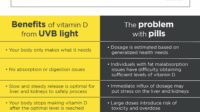
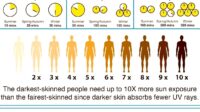
There’s also the matter of exposure. People who avoid sunlight, live at higher latitudes, use sunscreens heavily without compensatory intake, or have absorption issues may be more prone to low levels. Hair thinning can then show up months later—after the body has been operating under suboptimal conditions.
Testing: The Most Grounded Way to Connect Dots
To move from curiosity to clarity, testing matters. A blood test measuring serum 25-hydroxyvitamin D is typically the standard. The goal isn’t to chase a number for its own sake; it’s to interpret that number in context: symptoms, hair pattern, dietary intake, sun exposure, and other labs.
Be mindful of the broader picture. If vitamin D is low, it may travel alongside other deficiencies or chronic inflammatory states. Addressing vitamin D alone might not fully resolve thinning if other drivers remain unaddressed.

Supplementation: What a Reasonable Plan Looks Like
Supplements can be useful when deficiency is confirmed. The right dose depends on baseline levels, body weight, medical history, and whether there are conditions affecting absorption. Because excessive vitamin D can be harmful, self-dosing without guidance is a gamble with poor odds.
A smart plan often includes: checking levels, discussing an appropriate regimen with a healthcare professional, and re-testing after an interval. In parallel, optimizing protein intake and correcting other deficiencies supports the overall “construction materials” hair follicles require.
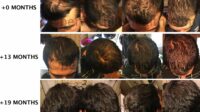
Patience is not optional. Hair growth operates on longer timelines. A reduction in shedding might appear before visible density improves, and full cosmetic change may take months. Short timelines can tempt people to abandon a beneficial strategy too early.
Nutrition and Sun Exposure: The Dual Engine
Supplementation is one lever, but vitamin D biology also responds to sun exposure and dietary factors. Fatty fish, fortified foods, and certain nutrients can contribute. Still, most people find diet alone difficult to maintain adequate levels without supplements or consistent sun.
Sun exposure should be approached thoughtfully. You’re aiming for vitamin D support, not sun damage. A pragmatic approach might include brief, regular exposure when appropriate, balanced with skin safety practices.
Consider the scalp’s environment as well. A nutrient-sufficient body tends to create a better foundation for hair to regrow and thicken.
When to Seek Dermatology Care
If thinning is rapid, patchy, accompanied by scalp pain, scaling, or intense itching, professional evaluation becomes important. Alopecia areata, fungal issues, inflammatory scalp conditions, and androgenetic alopecia each have distinct patterns and treatments.
A dermatologist can also help determine whether the hair loss is diffuse shedding, pattern-related thinning, or autoimmune-driven hair loss. That distinction changes the strategy—and it saves time.
In other words: vitamin D is a promising thread, but it should be woven into a full tapestry of diagnosis.
The Bottom Line: A Shift from “Cure” to “Context”
Can low vitamin D cause hair thinning or alopecia? It may contribute, especially through immune modulation and inflammatory balance. It may correlate with certain forms of hair loss, including autoimmune patterns and shedding cycles. But it rarely acts alone.
The most empowering way forward is not to hunt for a single villain. Instead, treat vitamin D like a meaningful datapoint in a broader narrative: scalp health, immune tone, nutrition, genetics, hormones, and stress physiology. Once the context is clear, you can act with precision.
Curiosity sparked by a deficiency can become a thoughtful plan—one that respects biology’s nuance. And when you repair the internal environment, hair follicles sometimes respond with the slow, quiet confidence of regrowth.