For years, migraine has been discussed as if it were a purely neurological weather system—mysterious, moody, and often stubbornly resistant to change. But what if the landscape underneath those storms is partly nutritional? What if a pair of quiet compounds—vitamin D and magnesium—could nudge the body toward a steadier baseline, subtly altering the way migraines emerge? The idea sounds almost too gentle to be meaningful. And yet clinical evidence invites exactly that kind of shift in perspective.
Why Migraine Is Not Just “In the Head”
Migraine is often framed as a headache disorder, but the experience is broader: sensory hypersensitivity, altered pain processing, and sometimes gastrointestinal disturbances that arrive like premonitions. Beneath those symptoms lies a tangle of biology—neuroinflammation, oxidative stress, and neuronal excitability. When these forces become unbalanced, the brain can tip into a heightened state where trigger exposure becomes more consequential.
That’s where micronutrients enter the story. Nutrients rarely “cure” in a single dramatic moment. Instead, they influence signaling pathways, immune modulation, and cellular energy management. Think of migraine as a complex circuit. Nutrients don’t flip the circuit off. They can help stabilize the voltage so fewer sparks become full-blown surges.
Vitamin D: More Than Bone Chemistry
Vitamin D is famously associated with bones, but its reach is wider—enabling immune regulation and influencing neuromuscular function. In many individuals, vitamin D insufficiency is common, especially with limited sunlight exposure. From a migraine lens, low vitamin D status becomes a compelling clue rather than a footnote.
Vitamin D interacts with receptors found in various tissues involved in inflammatory signaling. It can influence cytokine production and may modulate pathways linked to pain perception. If migraines are partly driven by inflammatory and immune mechanisms, then insufficient vitamin D could be like leaving the thermostat slightly off—quietly encouraging instability.
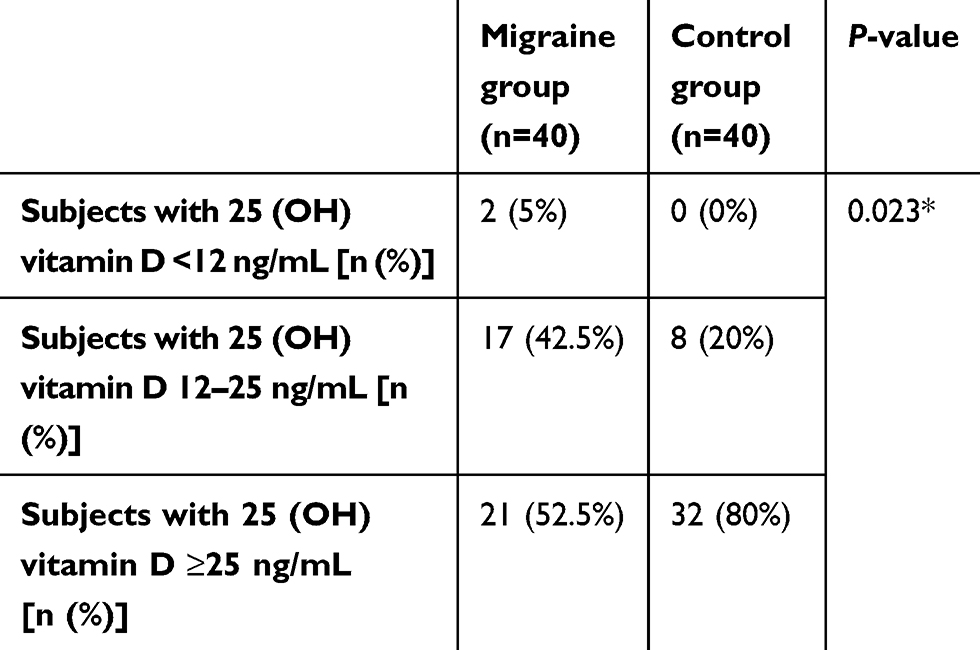
Clinical research has examined relationships between vitamin D levels and migraine occurrence, often observing patterns consistent with higher risk when vitamin D is low. Observational findings can’t guarantee causation, but they can outline a plausible physiological gradient: as vitamin D status changes, migraine vulnerability may shift as well.

Magnesium: The Neuro-Quieting Mineral
Magnesium is involved in hundreds of enzymatic reactions, but in migraine conversations, its relevance concentrates around neuronal excitability. Magnesium acts as a stabilizer for nerve signaling. It helps regulate neurotransmitter activity—particularly via effects on glutamate signaling and the NMDA receptor system, pathways often associated with migraine amplification.
In simpler terms: magnesium supports the brakes. When magnesium availability is low, the nervous system may become more reactive. Some people describe magnesium as calming in a way that feels less like painkillers and more like “system-level” support. That distinction matters. Migraine prevention is often about reducing baseline vulnerability, not merely interrupting pain after it starts.
Dietary magnesium intake varies widely. Some individuals consume far less than they need, while others face absorption challenges. Regardless of the reason, magnesium deficiency or functional insufficiency could be an overlooked contributor to frequent migraine cycles.

The Clinical Evidence: What Studies Suggest (and What They Don’t)
Clinical evidence around vitamin D and migraine often comes in a few forms: observational analyses comparing blood vitamin D levels between people with and without migraine, and intervention studies evaluating whether supplementation changes frequency or severity.
Observational studies can show associations, but they do not prove that low vitamin D directly causes migraines. Still, associations can be useful when they align with biological plausibility—immune modulation for vitamin D, neuroexcitability control for magnesium.
Intervention trials add another layer. Supplementation studies frequently explore whether restoring deficient status leads to improvement. The results are not uniform, and that variability is important. Migraine is heterogeneous—different triggers, different neurobiology, different comorbidities. A supplement that helps one subgroup may show smaller benefits in another. That’s why evidence is best viewed as a constellation, not a single headline.
Even when trials differ in duration, dosing, and participant characteristics, a recurring theme emerges: when deficiency is present, supplementation tends to show more promise. This is not a guarantee, but it reframes the narrative away from “universal cure” and toward “targeted correction.”
Why Vitamin D and Magnesium Might Work Together
Vitamin D and magnesium are not isolated players; they can be interdependent in the body’s biochemical choreography. Magnesium is required for multiple steps involved in vitamin D metabolism and function, including pathways that convert vitamin D into its active forms. When magnesium is low, vitamin D processing may not operate at full efficiency.
This relationship can create an intuitive possibility: supplementing only vitamin D might not fully reveal its potential if magnesium status is insufficient. Conversely, magnesium alone might have limited impact if vitamin D-related immune and neuronal modulation is still underpowered. Together, they may support a more synchronized physiological environment.
That synergy is worth contemplating—not because it guarantees dramatic change, but because it hints at why some people experience muted benefits from single-nutrient approaches while others feel a clearer difference when both systems are addressed.

Expected Outcomes: Frequency, Severity, and the Long Game
When supplements are discussed for migraine relief, many people expect rapid transformations—something akin to an on-demand switch. Migraine prevention rarely follows that script. Instead, improvements often evolve over weeks, sometimes months. That timeline matches how nutritional status influences immune tone, oxidative stress resilience, and neuronal signaling stability.
In successful cases, outcomes may include fewer migraine days, reduced intensity, or a diminished sensitivity to triggers. Some individuals also report improved recovery speed after attacks. Others notice changes in associated symptoms such as aura patterns, sleep quality, or tension-related discomfort—though responses vary.
It helps to track outcomes with care. A headache diary isn’t merely administrative; it becomes a lens. It reveals patterns that casual memory cannot capture. If vitamin D and magnesium are relevant, the data often shows it: a subtle downward drift in frequency, a softer edge on severity, or a broader reduction in “reactivity.”
Who Might Benefit Most From Testing and Personalized Strategy
Not everyone starts from the same baseline. Those with limited sun exposure, darker skin pigmentation, darker-season lifestyle changes, or dietary patterns low in magnesium may be more likely to face deficiency-related risk. People with gastrointestinal issues or certain medications may also have magnesium challenges.
Vitamin D can be measured through blood testing, typically focusing on circulating 25-hydroxyvitamin D. Magnesium levels are more complex to interpret, because blood magnesium can look normal even when intracellular stores are not optimal. Still, clinicians may consider related markers and overall clinical context.
Personalization transforms the experience. Instead of supplementing as a gamble, it becomes a targeted intervention. That shift can be psychologically powerful, too—because it replaces uncertainty with a working hypothesis you can evaluate.
Safety Considerations: Precision Over Optimism
Micronutrients are not always harmless at high doses. Vitamin D, in particular, can contribute to hypercalcemia if excessive amounts are taken without monitoring. Magnesium is generally well-tolerated, but large doses can cause gastrointestinal side effects such as diarrhea.
So the practical approach is measured. Start with appropriate dosing, consider baseline status, and—when vitamin D supplementation is involved—consider monitoring labs when recommended. Pregnancy, kidney disease, and specific medication regimens (especially those affecting calcium or electrolytes) require additional caution.
Safety isn’t an obstacle to hope. It’s what makes hope sustainable.
Putting It Into a Prevention Plan: A Curated Routine
Vitamin D and magnesium are most compelling when they fit into a broader migraine prevention architecture: sleep regularity, hydration, balanced meals, consistent physical activity, and trigger-aware decision-making. Supplements can support the groundwork, but lifestyle conditions influence the “signal-to-noise” ratio in the nervous system.
Consider building a routine that respects time. Give interventions a fair trial window, track results, and reassess. The goal is not perfection. The goal is directional change—fewer attacks, less suffering, and more control over the rhythm of life.
In that sense, the real promise is subtle but profound: a shift from treating migraine only as an emergency response toward shaping the body’s baseline resilience. Vitamin D and magnesium may not eliminate migraine in every case, yet the clinical evidence suggests they can be meaningful when deficiency and biological plausibility align.
A Final Reframe: Hope as Evidence-Informed Curiosity
Migraine can make people feel like they’re chasing something intangible. But micronutrients offer a different kind of curiosity—one grounded in biology and supported by clinical investigation. Vitamin D and magnesium invite a perspective where prevention is not mystical. It’s mechanistic.
When the body is given what it lacks, stability becomes more attainable. And stability is the quiet opposite of migraine chaos.