When anxiety tightens its grip, it can feel like the body is running a silent alarm. Breath becomes shallow, thoughts spool into worst-case scenarios, and sometimes panic arrives like an uninvited storm. Many people search for something that doesn’t merely “distract,” but actually nudges the nervous system back toward equilibrium. Two nutrients often enter that conversation—vitamin D and magnesium. They don’t replace therapy, and they aren’t a magic switch. Yet, they may influence the biochemical pathways that shape mood, stress reactivity, and physiological calm. In the sections below, you’ll find what vitamin D + magnesium are, how they may relate to anxiety and panic attacks, who might consider them, how to approach supplementation responsibly, and what practical routines can make a noticeable difference.
Why Vitamin D and Magnesium Keep Showing Up in Anxiety Conversations
Anxiety isn’t only a mental event—it has a somatic footprint. The body’s stress response involves hormonal signaling, neurotransmitter behavior, inflammatory modulation, and changes in neuromuscular excitability. Vitamin D functions more like a “hormone-like regulator” than a typical vitamin. It participates in immune balance and gene expression. Magnesium, meanwhile, acts as a biochemical moderator. It helps regulate nerve signaling, muscle relaxation, and the function of systems involved in energy metabolism.
Put simply: if your nervous system is oversensitive and your stress physiology feels stuck “on,” vitamin D and magnesium may help adjust the background conditions. Their relevance doesn’t mean they work the same way for everyone. Still, a pattern exists—many individuals who experience anxiety or panic also report low magnesium intake, limited sun exposure, or vitamin D insufficiency. The combination is often discussed because it addresses two different “levers” that affect stress regulation.
Understanding Panic Attacks: The Body’s False Alarm Loop
Panic attacks are characterized by sudden waves of intense fear or discomfort. Symptoms may include heart palpitations, trembling, shortness of breath, dizziness, sweating, and a sense of impending doom. What makes panic particularly exhausting is the feedback loop: the sensation of physical change triggers catastrophic interpretation, which accelerates the physical sensations further.
Physiology matters here. The autonomic nervous system can swing toward sympathetic dominance—greater “fight-or-flight” readiness. Magnesium is implicated in reducing neuromuscular excitability and supporting relaxation pathways. Vitamin D’s role in immune and inflammatory signaling may influence how “reactive” the body feels during stress. Together, they can be viewed as part of a broader attempt to lower baseline volatility—so that when stress spikes, the body has a steadier landing.
Vitamin D: Mood Signaling, Immune Modulation, and Nervous System Indirect Effects
Vitamin D helps orchestrate signaling across multiple systems. Research has explored connections between low vitamin D status and higher rates of depressive symptoms, anxiety symptoms, and overall psychological distress. The mechanism is not one-lane. It can include immune modulation, changes in inflammatory mediators, and effects on neurotransmitter systems. When inflammation runs “hot,” some people feel more physiologically jittery and less resilient. That jitteriness can magnify anxiety sensations—tight chest, restless body, and difficulty calming down.
Vitamin D status often depends on sunlight exposure, skin pigmentation, season, geographic location, and lifestyle habits. If your sun intake is limited, insufficiency becomes more likely. Measuring levels can clarify whether vitamin D is a missing piece—or whether anxiety is occurring with adequate levels but still requires other strategies.
Magnesium: The Calm-Down Mineral and Its Role in Stress Reactivity
Magnesium is involved in thousands of enzymatic reactions. In stress contexts, it matters because it supports the balance of excitation and inhibition in the nervous system. When magnesium is low, nerve signaling can become more reactive. The body may feel “wired,” even when your mind is trying to be rational.
Magnesium also influences muscle relaxation and helps regulate normal electrical activity within tissues. That can be relevant for people who experience tension, twitching, or “buzzy” sensations during anxiety surges. Additionally, magnesium can support sleep quality for some individuals. Sleep is not a side quest—poor sleep can lower emotional threshold, making panic more likely.
How the Two Work Together: Synergy Between Hormone-Like Regulation and Cellular Moderation
Vitamin D and magnesium don’t simply add benefits like two coins in a wallet. They may complement one another in layered ways. Vitamin D can influence magnesium handling and metabolism. Meanwhile, magnesium can support how the body uses cofactors in energy pathways that indirectly shape stress endurance.
Some people notice that vitamin D supports overall mood stability, while magnesium supports the “grounding” feeling during stressful moments. One doesn’t necessarily replace the other. Instead, the combination may create a more stable physiological backdrop. Think of it like tuning both the room temperature (vitamin D) and the vibration damping (magnesium). When both are closer to ideal, the nervous system often behaves less like a tuning fork.
What “Types” of Content Readers Should Expect When Exploring This Topic
If you’re researching vitamin D + magnesium for anxiety and panic attacks, you’ll likely encounter several content styles—each useful in a different way. First, you may find evidence summaries that discuss observational correlations and mechanistic hypotheses. These are helpful for understanding plausibility, even if they don’t guarantee outcomes.
Second, you’ll see personal-story narratives: someone describes panic episodes before a change in supplements, then describes improvements in calmness, sleep, or frequency of attacks. These accounts can be motivating, but they’re inherently subjective. Third, you’ll encounter practical guides with dosing ranges, timing suggestions, and food pairing ideas. Finally, there are caution-focused sections that emphasize lab testing, medication interactions, and symptom escalation protocols.
A well-rounded approach includes all four: science for context, lived experience for imagination, instructions for application, and safety guidance for protection.
Common Forms of Magnesium and Why They Matter
Magnesium comes in multiple formulations. The “best” option depends on tolerance and the effect you’re aiming for. Some forms are commonly associated with digestive effects, while others are often chosen for gentler daily use. People with anxiety frequently prefer magnesium strategies that support relaxation without upsetting the stomach. Magnesium glycinate is often favored for calming aims. Magnesium citrate is widely used and may be more likely to influence bowel function. Magnesium oxide is sometimes less expensive but can have a different absorption profile.
When exploring options, look beyond the name. Consider your goals (sleep support, muscle relaxation, or general supplementation), your digestive sensitivity, and the consistency of your routine. The most effective plan is the one you can adhere to without side effects.
Choosing a Vitamin D Strategy: Sunlight, Food, and Labs
Vitamin D can be obtained through sunlight exposure and diet, but many people need supplementation to reach adequate blood levels. The key is not guessing endlessly. Testing helps clarify whether vitamin D insufficiency is present. If labs show a deficit, supplementation may address a foundational gap. If levels are already adequate, vitamin D might not be the dominant factor—though it could still play a supportive role.
Many readers benefit from content that explains how to interpret lab results, what “insufficient” versus “deficient” means, and how seasonal variability can shift levels. This information helps you build a plan that’s responsive rather than reactive.
Timing, Dosage, and Routine Design for Anxiety-Friendly Consistency
Anxiety responds to routine. That doesn’t mean rigid schedules. It means repeatable patterns your body can learn. Magnesium is frequently taken in the evening to support relaxation and sleep onset. Vitamin D is often taken with meals for absorption, though the exact timing can vary based on individual tolerance.
Rather than changing everything at once, many people prefer gradual adjustments. Start low, observe, and keep notes: sleep quality, daytime calmness, frequency of panic sensations, and any gastrointestinal changes. Short sentences help here because your brain will need clarity during stressful moments. Long sentences can help explain the “why,” but your action steps should remain simple.
Safety Considerations: Interactions, Contraindications, and When to Seek Care
Supplements can be helpful, but they aren’t risk-free. Magnesium can interact with certain medications, particularly those related to antibiotics or thyroid hormone replacement, because minerals may affect absorption. Vitamin D can contribute to problems if taken in excess, especially when paired with high-calcium strategies or in the presence of specific medical conditions.
If panic attacks are severe, frequent, or accompanied by chest pain, fainting, or new neurological symptoms, professional evaluation is essential. A supplement plan should complement medical and mental health care, not replace it. If you’re pregnant, have kidney disease, or take multiple prescriptions, safety planning becomes non-negotiable.
Practical Integrations: Pairing Supplements With Calm-Down Tools
Even when nutrients help, panic often requires skills. Content that works best for readers typically combines supplementation with practical techniques. Breathing retraining can reduce panic escalation by lowering physiological arousal. Grounding exercises—naming textures, observing objects, noticing sounds—can interrupt the catastrophic thought loop. Gentle movement, like slow walking or stretching, can also reduce stress arousal.
Nutrition supports too. Eating patterns that stabilize blood sugar may reduce physical “alarm” sensations that mimic anxiety. Hydration matters. Sleep hygiene matters. Magnesium won’t outmuscle a chronically disrupted sleep cycle, but it may make it easier for your nervous system to cooperate with better habits.
What Progress Might Look Like: Realistic Expectations Without Minimizing Symptoms
Improvements don’t always arrive as a sudden transformation. For some readers, panic episodes become less frequent, less intense, or quicker to resolve. For others, the change is more subtle: calmer baseline mood, better sleep, fewer tension headaches, and a reduced sense of being “on edge.”
It’s also possible nothing changes. That doesn’t mean the effort was wasted; it means your plan needs refinement. Maybe vitamin D status wasn’t low. Maybe magnesium intake wasn’t the bottleneck. Maybe another variable—hormonal shifts, caffeine sensitivity, under-recovery, or medication effects—was driving the panic loop.
Visual and Product Reference Points Readers Commonly Look For
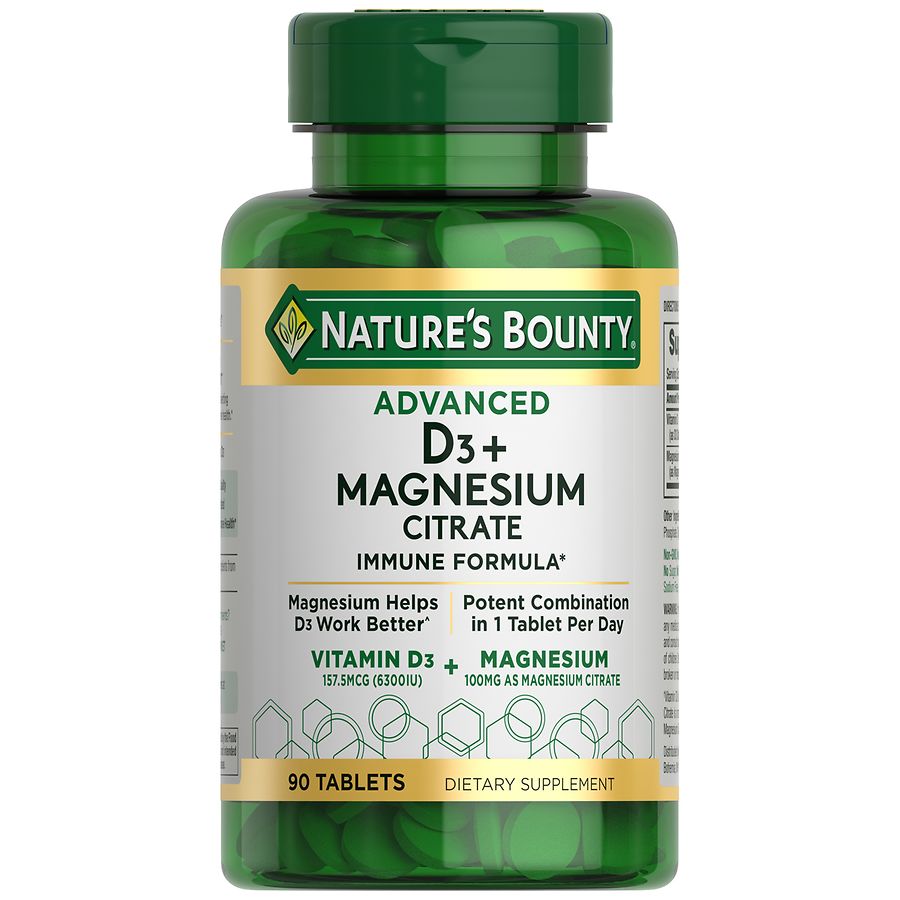
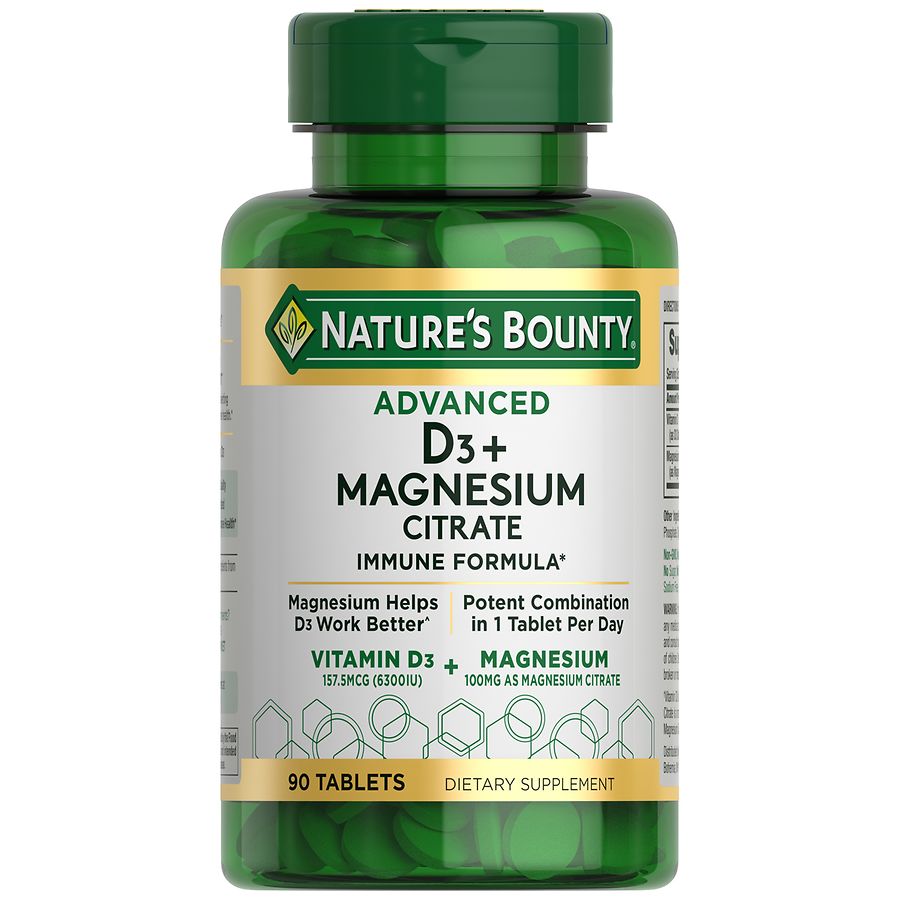
Readers often search for clear visual cues when comparing supplement options. Labels can be confusing, so images can help you understand what a product looks like before purchasing, and what the packaging communicates about form and intent. Below are a few example references readers may come across when browsing.


Building a Sustainable Plan: The Next Step After Curiosity
The strongest approach is structured, not impulsive. If you’re considering vitamin D + magnesium for anxiety and panic attacks, begin by assessing your baseline: sleep pattern, stress triggers, caffeine intake, and whether you’ve had recent vitamin D blood work. Then choose your supplementation strategy with safety in mind, start gradually, and track outcomes.
Short-term data can be noisy. Give your body time to respond, but also listen to your symptoms. If panic attacks remain uncontrolled, seek clinical support and pursue evidence-based care. Nutrients can be a supportive bridge, not the entire road.
In the end, anxiety tries to convince you that everything is unstable. A careful, nutrient-informed routine can help restore stability—one calmer breath, one steadier night, and one less alarm in the body at a time.