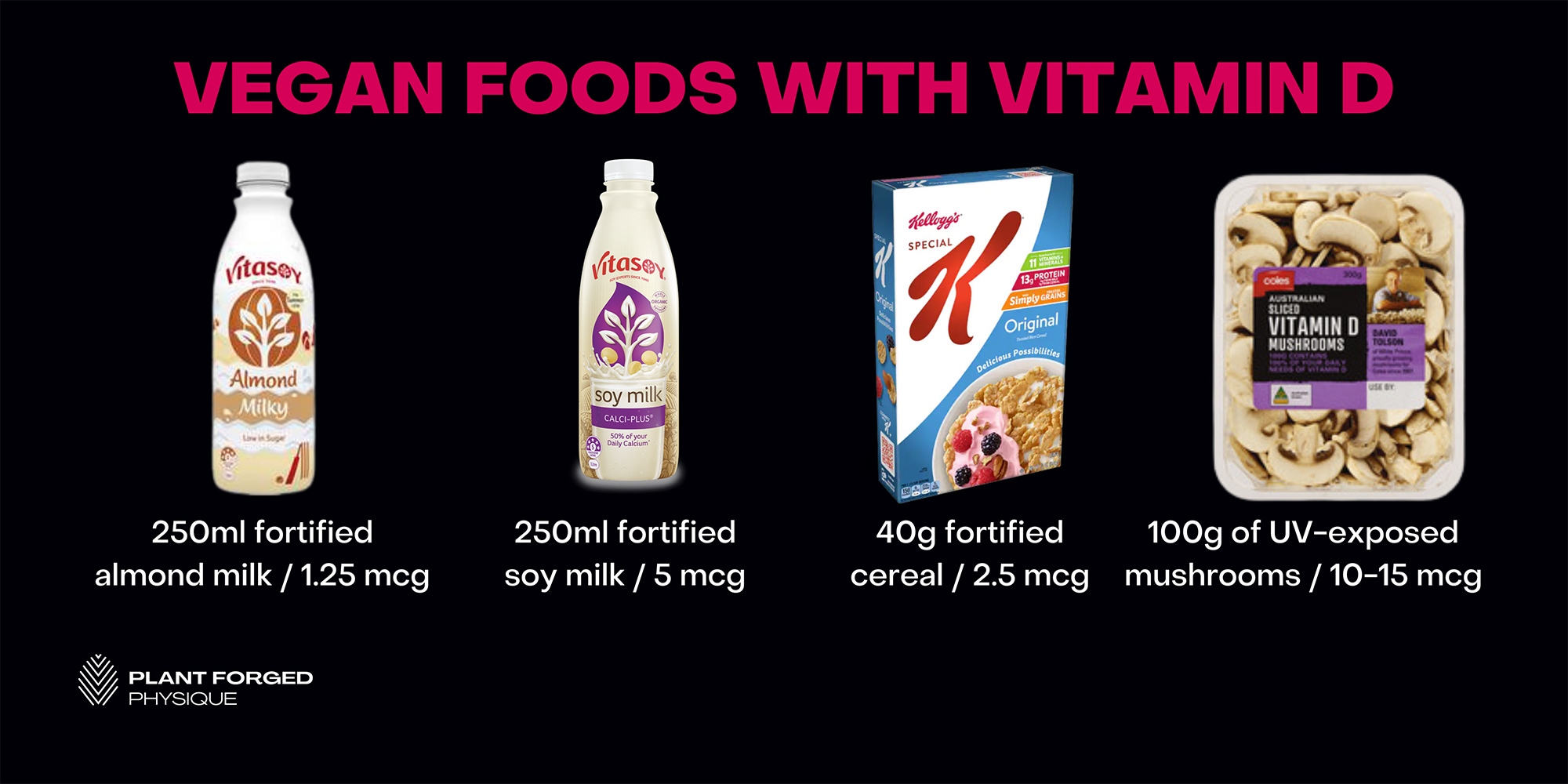
Ever stared at a carton of tofu and wondered, “Can this humble block really help with something as elusive as Vitamin D?” Here’s the playful twist: many people treat Vitamin D like it’s only the sun’s domain, a kind of golden celebrity that shows up on vacation days. But what if your next “routine meal” could smuggle in a practical dose—especially when it’s fortified tofu? The challenge, though, is real: fortified products vary, your body’s needs vary, and reading labels can feel like decoding a secret cipher after a long day.
Why Vitamin D Feels Mysterious (and Why That’s Not Entirely Your Fault)
Vitamin D has a reputation for being complicated, and it’s not random folklore. Your body can synthesize it when ultraviolet rays hit your skin, but modern life often includes cloud-heavy weekends, indoor jobs, sunscreen habits, and shorter daylight hours. Even when you do get sun exposure, the amount of Vitamin D produced can be inconsistent.
Then there’s the food side of the equation. Many natural food sources of Vitamin D are either animal-derived or fairly limited in typical diets. That’s why Vitamin D deficiency can creep in quietly—no drama, just a slow decline in the “support systems” your body relies on.
So yes: the mystery is real. But mystery can be solved with strategy, and fortified tofu is one surprisingly strategic option.
Fortified Tofu: The Vegan Heavy Hitter You Didn’t Know You Needed
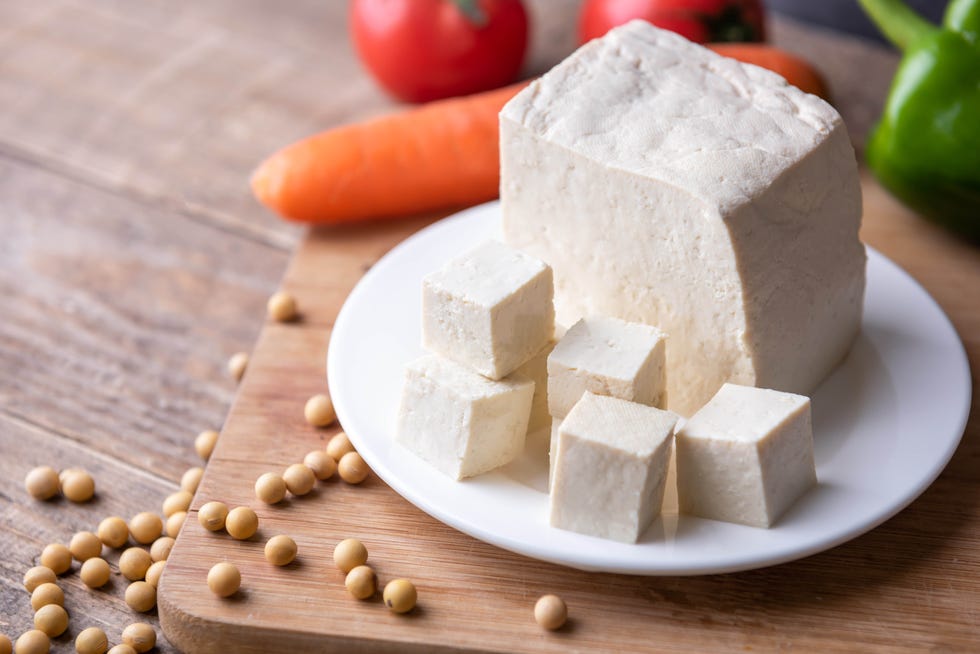
Plain tofu is nutritious—protein, minerals, and culinary versatility—but it generally isn’t a major Vitamin D source on its own. Fortified tofu changes the plot. Manufacturers add Vitamin D to the product, turning tofu into a more meaningful contributor to your daily intake.
Think of fortified tofu as a meal ingredient with an upgraded “nutrient payload.” The tofu still does what tofu does well—absorbs flavors, holds structure in stir-fries, and plays nice with sauces. But now it may also support Vitamin D goals in a way that feels more aligned with vegan patterns.
Here’s the practical question: are you buying tofu that’s actually fortified, or just tofu that’s simply… tofu? That single detail can separate “nutrient boost” from “nutrient neutral.”
Label Literacy: The Tiny Numbers That Decide Everything
If fortified tofu is a heavy hitter, label reading is the coaching staff. Vitamin D content is usually listed per serving and often includes the measurement units (commonly micrograms, sometimes international units). Your job is to map those numbers to your personal target.
One challenge often overlooked: serving sizes on packages may not match what you pour into your bowl. You might eat “one block worth,” while the label measures “half a block” or a smaller portion. That difference can quietly double or halve your real intake.
Also watch for “fortified” phrasing and check the nutrition facts. Some products are fortified with multiple micronutrients; others focus on specific additions. It’s not bad news either way—just information you should have.
In short: don’t let the package font lull you. Your body is counting, even if the label feels like fine print poetry.
How Much Vitamin D Do You Actually Need?
Vitamin D needs depend on several factors: age, baseline status, skin tone, geographic latitude, season, body composition, and lifestyle. Some people need consistent intake because sun exposure is minimal; others need less depending on their routines.
If you suspect low Vitamin D—or if you’re in a high-risk group—consider discussing testing with a clinician. A blood test can reveal your actual status and help you tailor intake rather than guess blindly.
Fortified tofu can support your Vitamin D strategy, but it’s typically not the only lever. Many people use a combination approach: fortified foods, dietary planning, and in some cases supplements. The goal isn’t perfection; it’s sufficiency over time.
What Vitamin D Does in the Body (Beyond Bone Talk)
Vitamin D is often summarized as “good for bones,” which is true, but incomplete. It plays a role in calcium absorption—helping your body use calcium effectively. This supports bone mineralization and helps maintain skeletal strength.
But Vitamin D also intersects with muscle function, immune signaling, and broader metabolic processes. Think of it like a conductor rather than a single violinist. When Vitamin D is low, multiple “sections” of the body can underperform.
This is why deficiency can be so easy to miss. You might not feel anything dramatic at first, yet you could notice lower energy, weaker resilience, or frequent aches—symptoms that can have many causes.
That’s why choosing foods like fortified tofu can feel less like a fad and more like steady infrastructure.
Vegan Nutrition Meets Fortification: A Strategic Pairing
Vegan diets can absolutely support healthy Vitamin D intake, but the reliability depends on food choices. Fortified plant foods—like fortified tofu, fortified milks, fortified yogurts—can help fill the gap created by limited natural dietary Vitamin D sources in plant-forward eating.
Fortified tofu is especially helpful because it’s not a niche product. It’s flexible, widely used, and easy to incorporate into meals: scrambles, bowls, soups, grilling, baking, and even crisp “tofu bites” that behave like snackable armor.
Here’s the twist again: you don’t just need “tofu.” You need fortified tofu. When you purchase with intention, your diet becomes more than a list of ingredients—it becomes a system.
Cooking Ideas: Turn Fortified Tofu into a Vitamin D Habit
Sometimes the barrier isn’t knowledge—it’s momentum. Vitamin D intake improves when it’s baked into your cooking rhythm. Fortified tofu makes that easier because you can treat it like a culinary blank canvas.
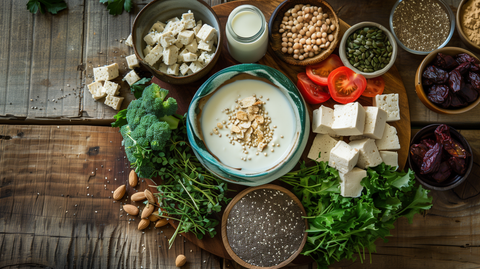
Try a quick method: cube tofu, pan-sear until golden, then toss with a sauce containing turmeric, garlic, and a squeeze of citrus. Add greens and grains for a meal that feels satisfying and complete.
Or attempt a “warm bowl” strategy: crumble tofu into a miso-based soup with mushrooms and seaweed (if you use it). Sea vegetables don’t replace Vitamin D, but they can add nutritional depth and help the bowl feel hearty rather than minimal.
And if you want a playful challenge: commit to one “fortified tofu serving” per week first. Not forever. Just one week. Observe how you feel and adjust portions afterward.
Potential Pitfalls: When Fortification Isn’t Enough
Fortified tofu can contribute meaningfully, but it isn’t automatically a magic shield. If you have very low baseline Vitamin D, live at higher latitudes, or rarely get sun, you may still fall short without additional support.
Another pitfall is inconsistency. Vitamin D is not a “one-time” vitamin. It’s a steadying nutrient. If your fortified foods appear only occasionally, your intake may be too sporadic to keep levels stable.
Also remember: Vitamin D works in tandem with other nutrients involved in bone health—like calcium and magnesium—plus healthy habits like regular movement. A tofu-centered plan works best when it doesn’t live alone.
The Bottom Line: Fortified Tofu as a Practical Vitamin D Strategy
So, can fortified tofu be a vegan heavy hitter for Vitamin D? Yes—when you choose it intentionally, eat it consistently, and align it with your needs. It’s not about mythmaking or miracle meals. It’s about building an intake pattern you can sustain, even during weeks when the sun seems to vanish into dramatic clouds.
Now here’s the final challenge question: Will you check the label the next time you reach for tofu—just once—and see if your “default meal” can become a smarter nutrient ally? The upgrade is small, but the impact can be surprisingly enduring.