There’s a peculiar moment many people recognize: spring drifts in, pollen starts its silent occupation, and suddenly your body behaves like it’s under siege. Sneezing. Itchy eyes. Post-nasal drip that feels stubbornly adhesive. But beneath the familiar language of “allergies,” there’s another story unfolding—one that involves histamine. And that’s where vitamin D enters the conversation, not as a miracle cure, but as a potential modulator of how sensitively your immune system fires its signals.
Why Histamine Becomes the Unseen Conductor of Allergy Symptoms
Histamine is often described as the villain, yet it’s more accurate to call it a conductor. When your body perceives a threat—like pollen or dust mites—mast cells may release histamine. That release contributes to the classic allergy script: swelling, irritation, mucus production, and that restless, “something’s wrong” sensation.
Here’s the interesting twist: histamine isn’t only about what you eat or what you’re exposed to. It’s also about how your immune system interprets signals and how effectively it regulates inflammation. When regulation falters, histamine can feel amplified—like the volume knob is stuck higher than it should be.
That amplification is why some people feel relief only when they reduce triggers in their environment or diet. Others focus on antihistamines. But vitamin D points toward a different angle: instead of merely blocking histamine after it appears, it may influence the immune environment that makes histamine release more likely in the first place.

Vitamin D: More Than Bone Nutrition—A Memory for Immune Balance
Vitamin D is frequently discussed in the context of bones and sunlight. Yet its deeper role is increasingly appreciated: vitamin D helps shape immune responses. In plain terms, it may influence the “tone” of immune signaling—steering it toward balance rather than flare.
When vitamin D levels are low, immune regulation may become less precise. The result can resemble a miscalibrated system: responses occur sooner, last longer, or feel more intense. This doesn’t mean vitamin D “creates” allergies. It suggests that it may affect the probability that your immune system will overreact.
Think of it as a quiet architect. It doesn’t draw the blueprint of histamine release on its own. Instead, it helps determine whether the construction crew works efficiently—or chaotic, with materials flying everywhere.
Can Vitamin D Reduce the Histamine Response Directly?
The question isn’t merely whether vitamin D is “good for allergies.” The more intriguing question is whether it can reduce the histamine response itself.
Vitamin D appears to support mechanisms related to immune modulation, including regulation of inflammatory pathways. Some evidence suggests that vitamin D can influence the behavior of cells involved in allergic responses—potentially reducing the tendency toward exaggerated signaling. That could indirectly lower how much histamine is released during an allergen encounter.
Still, it’s important to keep the perspective grounded. Vitamin D is not an instant antidote, and it won’t replace allergy action plans. Instead, it may act like a long-game strategy: helping your immune system be less reactive over time.
If your symptoms feel like they flare with every pollen wave, vitamin D might be one of the variables worth evaluating—especially if your levels are low or you live in a low-sun environment.
Seasonal Allergies, Immune Weather, and the Vitamin D Connection
Seasonal allergies often intensify when the sun is relatively weaker (winter) and then break into a new rhythm with changing seasons. Many people notice their worst symptoms during periods when indoor time increases and sunlight exposure shifts.
Vitamin D stores can fluctuate with sunlight availability. This means allergy susceptibility might track with vitamin D status in certain individuals—not universally, but plausibly. It becomes less about “vitamin D for allergies” and more about “immune system readiness.”
When vitamin D is sufficient, the immune response may be more regulated, with fewer unnecessary escalations. When it’s insufficient, the immune response can become more erratic. Allergens are still allergens. But your response to them can become more or less disruptive.
Histamine Intolerance vs. Allergy: Are They Related?
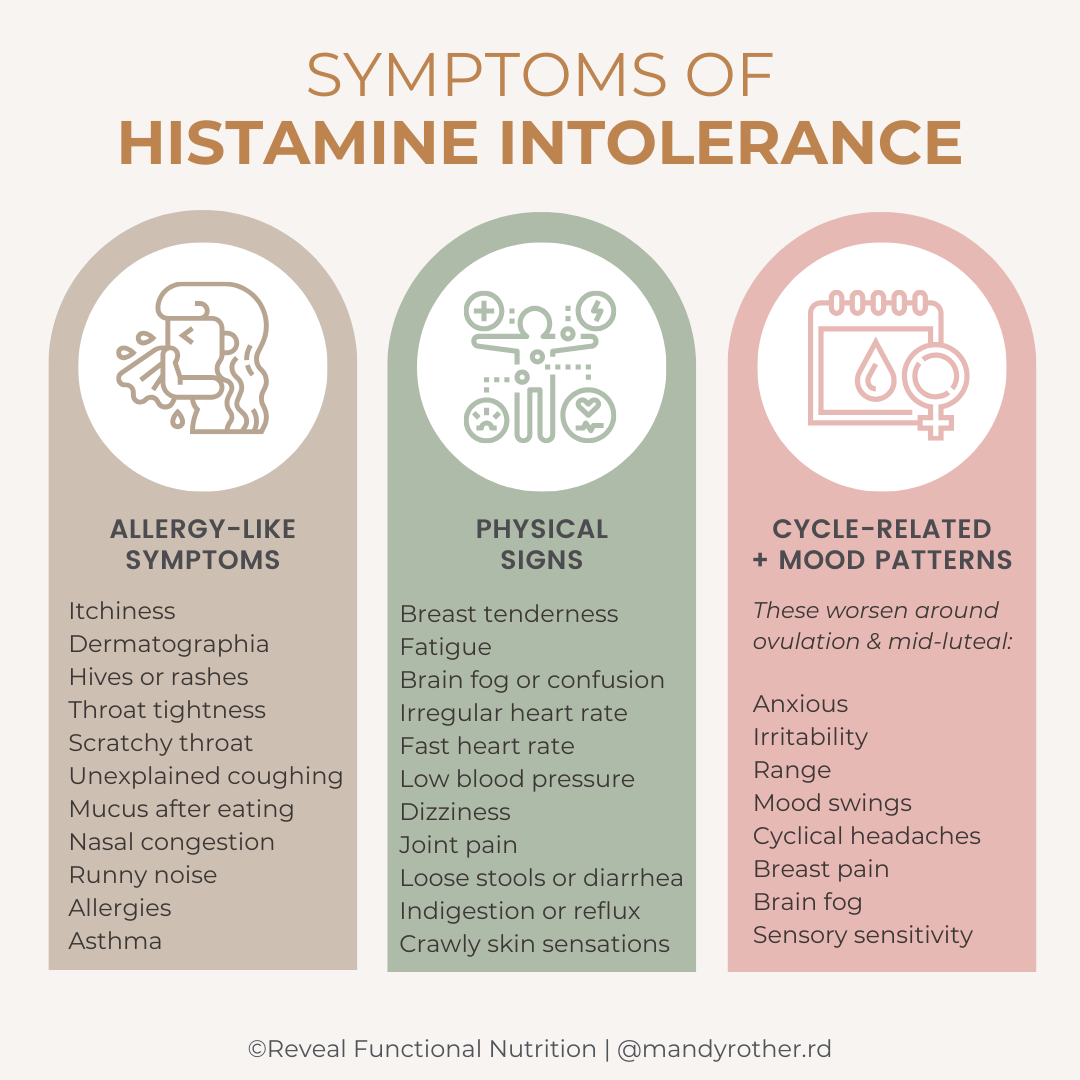
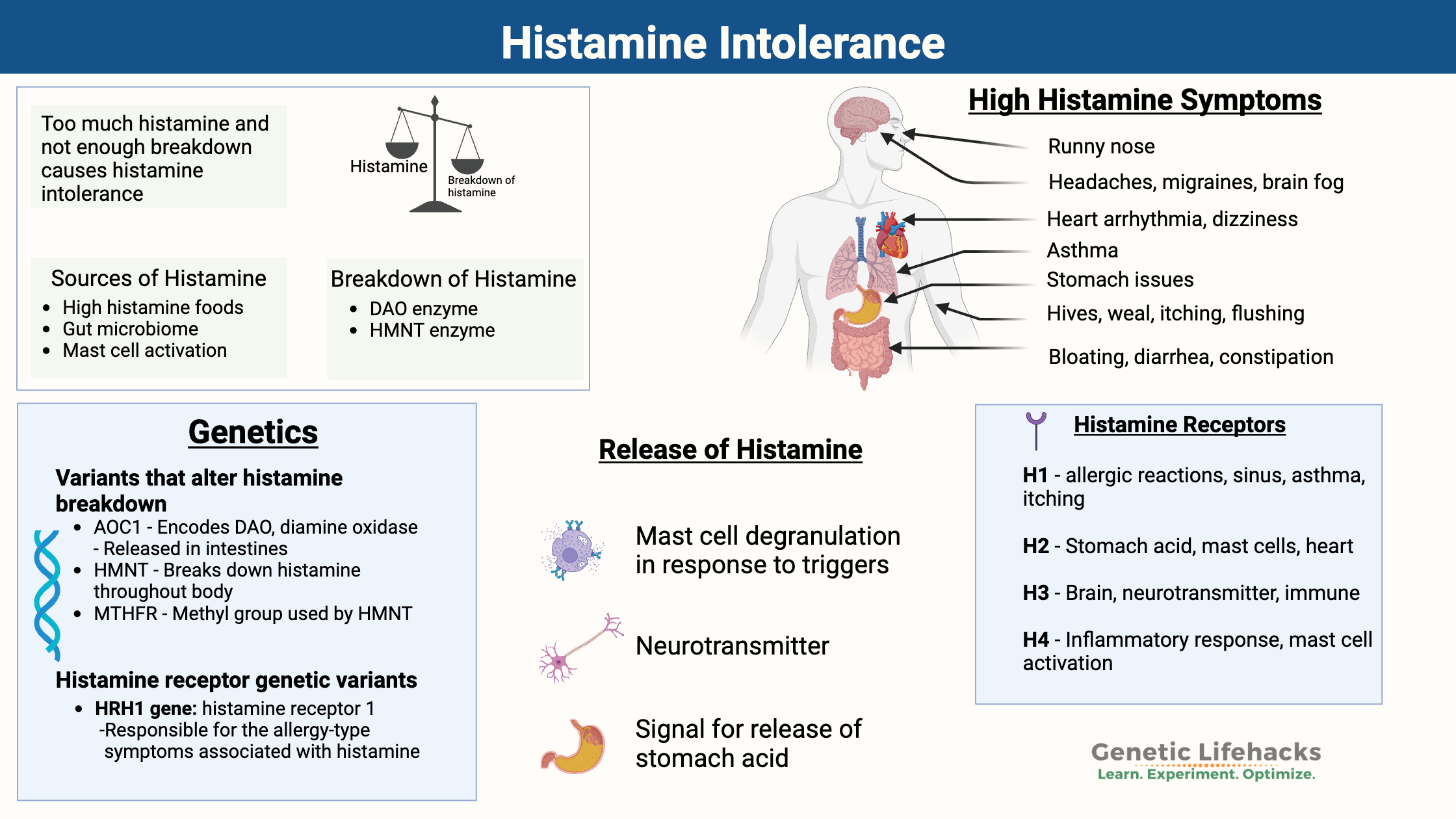
Allergies and histamine intolerance share a vocabulary but not always the same plot. Allergies typically involve immune-mediated responses to environmental triggers such as pollen. Histamine intolerance often involves an inability to break down histamine efficiently—often through reduced activity of enzymes like DAO (diamine oxidase).
So the relationship may be indirect. Vitamin D’s immune-modulating influence could potentially reduce the intensity of histamine-driven symptoms during allergic episodes. Meanwhile, histamine intolerance is more about histamine metabolism and accumulation.
However, the body is not siloed. Chronic inflammation can interact with metabolic processes. Diet-related histamine load can add complexity to symptoms that already feel allergy-like. If vitamin D supports immune steadiness, it may make histamine-related reactivity feel less volatile—even if it doesn’t “solve” histamine intolerance by itself.
In other words: vitamin D may help with the atmosphere, while diet and histamine clearance help with the fuel.
What Signs Suggest You Might Benefit from Checking Vitamin D Levels?
Not everyone with allergies has low vitamin D. But certain patterns can raise curiosity. Fatigue that seems persistent. Frequent respiratory infections. Low mood that drifts without a clear cause. Muscle aches or general “heavy” body sensations. These aren’t diagnostic clues, but they can be breadcrumbs.
The most reliable path is a blood test—measuring 25(OH) vitamin D. This creates clarity instead of guessing. If levels are low, restoring them thoughtfully may support broader immune function and perhaps reduce the intensity of allergic flare-ups.
Consider it a calibration check. If your baseline is too low, your immune orchestra may be playing without the conductor’s guidance.
How to Approach Vitamin D Supplementation Responsibly
Supplementation should be deliberate. Vitamin D is fat-soluble, meaning it’s stored in the body. That’s helpful, but it also means excess can be problematic.
Many people start with a conservative dose and reassess after a few months. Others adjust based on clinician guidance and lab results. Consistency matters. One dose won’t rewrite immune behavior overnight.
Also, vitamin D often doesn’t work alone. Adequate magnesium can support vitamin D metabolism. Calcium status may also matter, depending on individual needs. The immune system is a network, not a single switch.
If you’re already taking allergy medications, supplementation doesn’t necessarily conflict, but it’s wise to coordinate with healthcare professionals—especially if you have kidney issues, sarcoidosis, or a history of high calcium.
Supporting a Lower-Histamine Environment Alongside Vitamin D
Vitamin D may help modulate immune tone, but histamine symptoms can still be influenced by environmental and dietary factors. Some people find that reducing histamine load—through mindful food choices and avoiding known trigger patterns—can make symptoms less erratic.
Seasonal times often come with more fermented foods, leftovers, and “whatever was in the fridge” decisions. Histamine content can rise with storage time. So a strategy might include fresh preparation, careful leftovers, and attention to individual triggers.
Pair that with allergen-aware practices: running air filters, keeping windows closed during peak pollen hours, washing hair after outdoor time, and considering protective measures when symptoms are loud.
Vitamin D can be one lever. Diet, environment, and stress reduction can be the other levers. When multiple levers move together, symptoms often become less chaotic.
The Shift in Perspective: From “Blocking” to “Regulating”
Many allergy strategies focus on blocking histamine after it’s released. That can be helpful, and it can provide immediate relief. But vitamin D invites a different mindset—one that leans toward regulating immune readiness before the flare.
It doesn’t promise instant transformation. It proposes a subtler improvement: fewer exaggerated responses over time, a steadier inflammatory posture, and perhaps a lower likelihood that histamine becomes the relentless headline.
And curiosity is powerful here. If your allergy symptoms feel disproportionate—if you suspect your immune system runs hotter than it should—vitamin D offers a pathway worth exploring with testing and informed supplementation. Sometimes the most meaningful changes come not from a single intervention, but from a recalibration of the system underneath the symptoms.