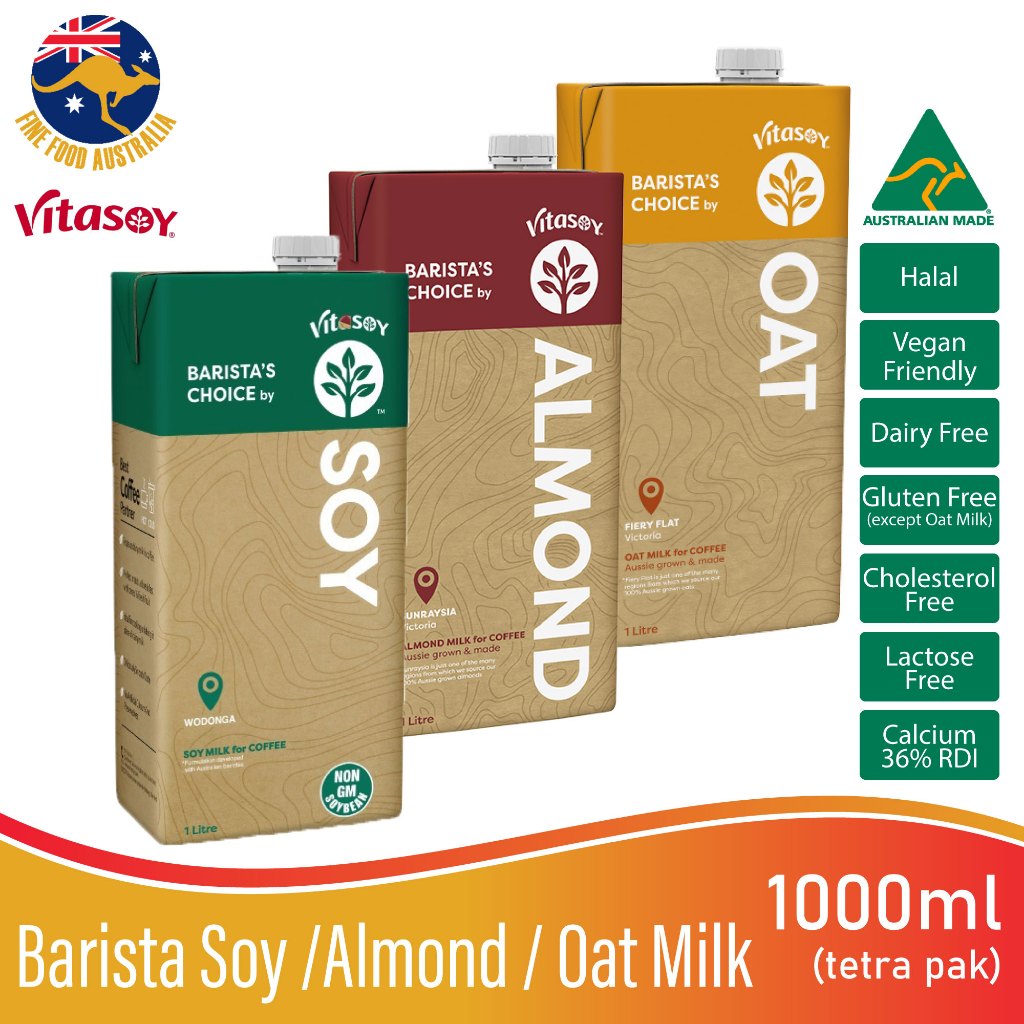
Plant-based milks have become the quiet workhorses of modern kitchens—creamy in coffee, steady in cereal, and often kinder to digestion than expected. Yet there’s one nutrient that keeps surfacing in conversations: vitamin D. People notice it because it’s not merely “another vitamin.” It’s involved in bone mineralization, immune signaling, and mood-related rhythms. And that’s where fascination begins. We reach for oat, soy, or almond, then we wonder—almost instinctively—whether these comforting alternatives truly support the body the way we hope. The answer is less about a single ingredient and more about fortification, formulation, and your individual routine.
Why Vitamin D Feels Different in Plant-Based Milk
Vitamin D doesn’t behave like a typical nutrient that appears naturally in meaningful quantities in most plant foods. Instead, many plant-based milks rely on fortification to get you what you need. This is why a shelf labeled “plant-based” can still leave vitamin D up in the air. The common observation is simple: you bought a milk alternative—shouldn’t it automatically cover you? But the deeper reality is more nuanced. Vitamin D is fat-soluble, and it’s heavily influenced by processing, recipe design, and whether the manufacturer adds it after production.
Think of fortification as a kind of nutritional architecture. Two milks may look identical in the glass, but their internal blueprint can differ dramatically. That’s why reading the label matters, and why “best” is not a universal title—it’s a fit for your priorities: taste, texture, and the specific vitamin D target you’re trying to meet.
Fortification: The Deciding Factor (Not Just the Crop)
When selecting plant-based milks for vitamin D, the most decisive factor is whether the product is fortified and how much it provides per serving. Some brands add vitamin D₂, others use vitamin D₃, and the amount can vary even among milks in the same category. You may also see vitamin D listed alongside calcium—an intentional pairing, because calcium and vitamin D often travel together in the body’s bone-building choreography.
Here’s what tends to surprise people: a milk can be “high in something” and still be low in vitamin D. Conversely, a milk might not sound impressive on the front label but quietly delivers substantial vitamin D because it’s fortified. Your most reliable approach is to scan the nutrition facts and confirm the vitamin D content per serving, then compare it against your dietary baseline (including sunlight exposure and any supplements).
Best Overall Choice: Soy Milk for a Balanced Nutrient Profile
Soy milk is frequently celebrated for its versatility and, importantly, for its nutritional density. It has a protein structure that many people find satisfying—whether you’re blending smoothies or stirring it into oatmeal. While vitamin D doesn’t originate abundantly in soy itself, fortified soy milk can become an excellent vehicle for meeting your vitamin D goals without sacrificing satiety.
The fascination here is practical. Soy milk tends to sit well in both hot and cold applications, and its flavor profile is often more forgiving than you’d expect. It also pairs neatly with calcium fortification and can offer a more substantial protein foundation than many other plant milks. If your aim is to build a routine—daily cereal, coffee creamer, or post-workout shake—soy often holds the line.
What to look for: choose a fortified soy milk and check vitamin D per serving, confirm whether calcium is included, and consider whether you prefer unsweetened or lightly sweetened versions depending on your use case.
Almond Milk: Light, Easy, and Often Fortified—But Check the Vitamin D Carefully
Almond milk is beloved for its delicate flavor and lighter mouthfeel. It’s the milk you reach for when you want something silky without heaviness—especially in tea, baking, or simple “drink it as is” moments. Yet the deeper catch is that almond milk is frequently lower in protein and calories than soy or oat. That’s not automatically a flaw; it’s simply a different nutritional posture.
Because almond milk is often more “processed-for-beverage” than “nut-based meal,” vitamin D fortification can vary widely. Some almond milks are impressively fortified, while others provide minimal amounts. It’s common to see people assume the vitamin profile is similar across fortified versions, but fortification levels can be inconsistent. So, if almond milk is your daily choice, treat the nutrition label like a compass rather than background scenery.
Best for: people who want a thinner texture, those who bake lightly, and anyone who enjoys almond’s subtle nuttiness—provided the vitamin D content is meaningful.
Oat Milk: The Creaminess People Crave (and the Vitamin D Variability to Watch)
Oat milk captured imaginations for a reason: it tastes like comfort. Its creamy texture is often so satisfying that it feels almost proprietary to coffeehouse culture. It froths beautifully, which makes it a natural choice for lattes and cappuccinos. But when vitamin D enters the conversation, oat milk requires a specific kind of attention.
Oats themselves don’t reliably deliver vitamin D in substantial amounts. That means fortified oat milk becomes the key. The fascination is how something so widely enjoyed can be both comforting and nutritionally unpredictable—unless you check the amount of vitamin D per serving.
Oat milk also brings another consideration: carbohydrate content and the presence of sweeteners. Some brands add sugar to improve taste and texture. If your goal is vitamin D support alongside stable energy, choose unsweetened versions when possible, then verify vitamin D and calcium on the label.
Best for: coffee drinkers, dessert-like drinks, and anyone who values mouthfeel—while staying vigilant about fortification details.
Choosing the Right Type: Unsweetened vs. Flavored, Creamy vs. Thin
Most people shop by sensory cues: sweetness, texture, and how the milk behaves in recipes. But vitamin D doesn’t care how enjoyable the milk is—it cares whether it’s present in your serving. So while you may absolutely love the flavor, you should still audit the nutrition facts.
Flavored milks can sometimes include added sugar and may change the effective “nutritional density” of the drink. If vitamin D is a primary goal, prioritize fortified, unsweetened or lightly sweetened varieties. If you’re using milk primarily in smoothies, cooking, or baking, you may find that a thicker oat or soy formulation works better. If you’re drinking it straight, lighter almond styles can be easier on the palate.
How Much Vitamin D Do You Actually Need?
Vitamin D needs depend on age, life stage, skin exposure, latitude, and whether you already take supplements. Some people supplement year-round; others rely more on sunlight and diet. This is where the “best plant-based milk” becomes personal rather than universal.
A fortified milk can help close the gap, especially when paired with a consistent daily routine. But it’s also possible to oversimplify: “fortified” doesn’t always mean “enough.” To decide confidently, consider your overall intake from supplements and other foods, then estimate whether your chosen milk contributes meaningfully toward your target.
In practical terms: if you drink a cup a day, the vitamin D per serving matters enormously. If you use it only in occasional coffee, the daily contribution will be smaller. That’s not a reason to abandon the idea—it’s a reason to match expectations to reality.
Deeper Reasons People Keep Returning to Plant-Based Milks
There’s a fascination beyond nutrition facts. Plant-based milks carry a narrative of autonomy. They feel like an intentional choice—an everyday way to shape diet and ethics, to experiment without permanence. People also like the sensory renewal: a new texture, a new flavor, a different kind of comfort.
Vitamin D adds another layer to that story. It makes the choice feel proactive rather than trendy. You’re not just replacing dairy; you’re curating nutrient support. Even the act of reading labels becomes a small ritual—an act of care with measurable outcomes.
Practical Recommendations for a Vitamin D-Focused Routine (Soy, Almond, Oat)
If you want a simple starting point, begin with fortified soy as a nutrient-dense baseline, especially if you value protein and versatility. Choose fortified oat milk when creaminess and froth matter most, but confirm vitamin D content to avoid being lulled by texture alone. For almond milk, treat it as a flavor-first option that can still be nutritionally sound—if it’s fortified at a level you can rely on.
To make it effortless, pick one “daily driver” milk and one “occasional” alternative for variety. Recheck the label when brands change formulations. And if you’re unsure about vitamin D status, consider discussing your dietary pattern with a clinician—particularly if you have limited sun exposure or a history of deficiency.
When you align fortification with your routine, plant-based milk becomes more than a substitute. It becomes a structured, satisfying way to support your body—one creamy sip at a time.