Heart palpitations can feel like a sudden drizzle of alarm inside the chest—fluttering, thudding, or skipping beats with no obvious trigger. And if you’ve been taking vitamin D supplements (or received a higher-dose recommendation), it’s natural to wonder: can an overabundance of vitamin D poison the calm rhythm of the heart? The short answer is nuanced. Vitamin D toxicity is real, but the story is more intricate than a simple “yes” or “no.” Still, the mechanisms behind toxicity do involve pathways that can provoke sensations many people interpret as palpitations.
Vitamin D Toxicity: When “Enough” Becomes Too Much
Vitamin D is a fat-soluble vitamin, meaning it can accumulate in the body rather than being flushed out quickly like some water-soluble nutrients. In healthy physiology, vitamin D helps regulate calcium and phosphorus—both vital for nerves, muscles, and cardiac conduction. Toxicity typically emerges when vitamin D intake is excessive over time, or when unusually high doses are taken without monitoring.
But here’s the perspective shift that matters: vitamin D doesn’t usually cause palpitations directly in the way stimulants do. Instead, toxicity often acts indirectly, primarily through disturbances in calcium balance. Calcium is the conductor of electrical signals in the heart. When calcium levels rise too high, the electrical “tempo” can become erratic—sometimes experienced subjectively as palpitations.
The Calcium Connection: How Excess Vitamin D Disturbs Cardiac Electrical Rhythm
Vitamin D increases intestinal absorption of calcium. In toxicity, this effect may overshoot, resulting in hypercalcemia—elevated blood calcium. Hypercalcemia can influence the heart’s electrophysiology by altering how cardiac cells handle electrical gradients.
In plain terms: the heart’s electrical system depends on a precise ionic environment. When calcium becomes excessive, it can shorten cardiac refractory periods and disturb normal conduction. The outcome may include palpitations, irregular heartbeat, or a sense of forceful pounding.
It’s a subtle cause-and-effect chain: vitamin D → calcium elevation → electrical instability. That cascade can make your symptoms feel sudden, even if the underlying imbalance developed gradually.
What Palpitations Feel Like—and Why Toxicity Can Mimic Other Causes
Palpitations vary widely. Some people describe rapid fluttering, others feel skipped beats, and some experience pounding or sustained awareness of heartbeat. The tricky part is that palpitations are a symptom category, not a diagnosis. Many conditions can imitate one another: anxiety, dehydration, thyroid disorders, electrolyte disturbances, medication side effects, caffeine, and sleep deprivation.
Vitamin D toxicity can “join the masquerade.” Because hypercalcemia can also cause fatigue, nausea, constipation, and increased thirst—symptoms that might be misread as general illness, stress, or dietary changes—palpitations may appear as one component of a broader picture rather than an isolated event.
Therefore, it’s worth asking: are palpitations accompanied by other changes in your body’s baseline comfort? That wider pattern can shift the story from random flutter to a physiologic warning signal.
Symptoms Beyond the Heart: The Hypercalcemia Signature
If vitamin D toxicity is driving palpitations, you may notice signs consistent with hypercalcemia. These can include frequent urination, excessive thirst, dry mouth, muscle weakness, abdominal discomfort, constipation, and mental fog. Some individuals experience headaches or an unusual “heavy” feeling in their body.
Longer-term consequences can involve kidney strain, because high calcium levels can promote stone formation or impair renal handling. The heart is not acting alone; it’s reacting to a systemic imbalance. Palpitations may be the moment you finally pay attention, but the rest of the body might have been signaling earlier.
How Common Is It? Risk Factors That Make Toxicity More Likely
Vitamin D toxicity is uncommon when supplements are taken responsibly and within recommended upper limits. Yet certain situations raise risk. Higher-than-advised dosing, prolonged high intake, use of multiple vitamin D-containing products, and lack of blood test monitoring can accumulate levels to hazardous territory.
People with granulomatous diseases (some inflammatory conditions) may convert vitamin D more aggressively, raising the chance of elevated calcium. Also, individuals with certain kidney or parathyroid disorders may be more vulnerable because calcium regulation is already delicate.
Here’s a curious mental pivot: risk often grows not from a single dose, but from a cumulative “slow burn.” Symptoms such as palpitations can then seem abrupt, even though the underlying imbalance may have been simmering.
Signs That Suggest You Should Check Labs Promptly
When palpitations occur alongside symptoms suggestive of hypercalcemia, it’s reasonable to consider laboratory evaluation—especially if vitamin D intake is high or recent dose changes occurred. Clinicians may check serum calcium, 25-hydroxyvitamin D levels, kidney function, and sometimes related minerals such as phosphorus and magnesium.
Lab testing is the hinge between speculation and clarity. Because palpitations can originate from many sources, confirming biochemical markers helps determine whether vitamin D toxicity is in the lineup.
If palpitations are accompanied by chest pain, fainting, severe shortness of breath, or sustained irregular rhythm, urgent medical attention is essential. Safety is not a negotiable variable.
Can It Happen from Natural Sunlight or Foods?
Vitamin D toxicity from sunlight alone is considered unlikely because the skin’s ability to produce vitamin D plateaus with excessive exposure and triggers protective mechanisms. Food sources typically provide smaller amounts, making toxicity less probable.
However, supplements can create a different scenario. Oral dosing bypasses the body’s natural self-regulation. That’s why the risk conversation often centers on fortified products and pills rather than a sunny day or a wholesome meal.
Still, the heart doesn’t care where the vitamin D came from. If the body ends up with elevated vitamin D and resultant hypercalcemia, palpitations could emerge as part of the same physiologic consequence.
What About Timing? How Quickly Palpitations Might Appear
The timeline can be puzzling. Vitamin D is stored in fat, so changes in calcium regulation may take days to weeks to become clinically significant, particularly when doses are high and persistent. Yet once calcium is elevated enough, cardiac symptoms might feel immediate.
Think of it like a thermostat versus a storm. The weather system builds in the background, but the sensation can arrive quickly—thunder in the chest—even though the “pressure” accumulated earlier.
That’s why dose history matters. A recent increase, a missed recommendation, or an unrecognized duplication of supplements can be crucial context.
Management: What Treatment Usually Looks Like
Management of vitamin D toxicity generally begins with stopping excessive vitamin D intake and addressing hypercalcemia under medical supervision. Treatment may include hydration strategies, dietary calcium moderation, and medications in certain cases to help reduce calcium levels.
The heart’s rhythm often improves as calcium normalizes. Still, palpitations may persist briefly if there’s already been electrical irritation or if dehydration or electrolyte imbalances are present. Monitoring matters because “feeling better” isn’t always the same as being fully normalized.
Long-term, the focus shifts to safe dosing—often guided by laboratory results—so vitamin D becomes a steady ally rather than a volatile variable.
Promises a Shift in Perspective: Curiosity Without Panic
It’s tempting to treat palpitations like a verdict. But perspective is a powerful tool. If you’re taking vitamin D, the most productive curiosity is not fear—it’s inquiry. Review your dose, look for overlapping supplements, consider whether recent changes happened, and observe whether symptoms like thirst, constipation, or fatigue accompany the heartbeat awareness.
Then take the next step: discuss symptoms with a clinician, ask whether labs are appropriate, and allow data to replace dread. In this way, your curiosity becomes a compass, not a wildfire.
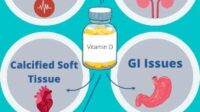
Below is an image that symbolically represents the “calcium-cardiac pathway” idea—use it as a mental diagram when thinking through the chain reaction from vitamin D to heart sensations.

When to Seek Immediate Care
Even if vitamin D toxicity is a consideration, certain palpitations require immediate evaluation. Seek urgent care if palpitations are paired with chest pain, fainting, severe dizziness, difficulty breathing, or a sustained rapid heart rate that doesn’t settle. If you have known heart disease or a history of arrhythmias, err on the side of caution.
Symptoms are information, but not all information should be decoded at home.
A Closing Thought: The Body’s Feedback Loop
Palpitations can be startling, yet they’re often the body’s feedback loop trying to regain balance. Vitamin D toxicity may contribute by disturbing calcium levels, which can influence cardiac electrical rhythm. When you connect the dots—dose patterns, accompanying symptoms, and lab results—you transform confusion into a plan.
And that is the real promise hidden inside the question: not just whether vitamin D toxicity can cause palpitations, but how awareness can lead to measured, safer decisions for your heart.