Vitamin D deficiency is often treated like a simple checklist item—get a blood test, take a supplement, move on. Yet the body rarely sends plain messages. When vitamin D is scarce, symptoms can arrive in odd costumes: from sweat that feels too heavy to a ringing in the ears that seems unrelated to nutrition. The common observation is that people assume these issues must have separate causes. The deeper truth is that vitamin D quietly orchestrates immune signaling, neuromuscular stability, bone remodeling, and even aspects of sensory processing. So when it falters, the symptoms can feel cryptic—almost theatrical—yet patterned enough to be recognized with attention.
1) Unexplained Sweating That Feels Out of Rhythm
Many people notice sweating changes before they think about vitamin D at all. It may show up as clamminess after mild exertion, night sweats that arrive without fever, or a strange sense that your thermal regulation is “miscalibrated.” Vitamin D participates in endocrine and nervous system cross-talk; when levels are low, the body can become more reactive to stress hormones. The result can be a heightened autonomic response—your sweat glands apparently running a script you never agreed to read.
Interestingly, sweating isn’t always excessive. Sometimes it’s “too sudden”—a brief surge after normal activities, followed by an exhausted quietness. That cadence can be a clue that the issue isn’t only hydration or the weather. Consider deeper evaluation if sweating changes persist along with fatigue, muscle aches, or mood shifts.

2) Persistent Fatigue and a Foggy, Unfocused Brain
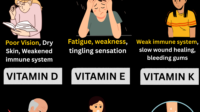
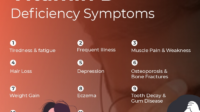
Fatigue from vitamin D deficiency can feel stubborn, as though sleep doesn’t fully recharge the system. You may wake up already tired, experience cognitive haze, or find concentration slipping during routine tasks. Vitamin D influences neurotransmitter pathways and inflammatory signaling. Low levels can nudge the body toward a pro-inflammatory state, which can translate into a persistent “low-grade drudge” inside the brain.
Short, ordinary days can feel longer than they should. Sometimes the most noticeable symptom is irritability—your patience wearing thin as if the brain has fewer reserves than normal. That emotional friction often co-occurs with low vitamin D because the body’s stress-response circuitry becomes less efficient.
3) Muscle Weakness, Aching, and That “Bone-Tired” Sensation
Muscles can become achy or weak in a way that seems disproportionate to your activity. Vitamin D supports calcium absorption and muscle function, so deficiency can reduce the stability of muscle contraction. The ache may be diffuse: thighs, hips, lower back, or shoulders. You might describe it as soreness without a workout—more like a dull internal bruise.
When strength fades gradually, people chalk it up to age or inactivity. Yet the pattern can be distinctive: discomfort with climbing stairs, difficulty rising from a chair, or a slow erosion of athletic “springiness.” The fascination here is not the symptom itself; it’s the way the body quietly reconfigures function without drama. Deficiency rarely announces itself directly. It rearranges.
4) Frequent Bone Pain and Slower Recovery
Low vitamin D can contribute to impaired bone mineralization. That can manifest as bone pain, tenderness, or a vulnerability that makes minor injuries feel unusually stubborn. Recovery after sprains or strains can take longer. In some cases, people notice discomfort in weight-bearing areas—hips, pelvis, ribs—especially in damp weather or during winter months.
Bone biology is slower than muscle biology, which is why the changes can feel gradual and easy to dismiss. But a persistent ache that doesn’t correlate with a specific injury should prompt attention. Vitamin D’s role in skeletal remodeling is central; when it’s absent, the bone repair narrative can lose coherence.
5) Mood Changes: Low Motivation, Irritability, and “Grey Weather” Inside
Vitamin D deficiency has been associated with depressive symptoms and mood instability. The sensation is often subtle at first: reduced motivation, a muted interest in activities, or an emotional “flatness” that feels unrelated to life events. Some people describe a persistent sense of dread with no clear trigger, while others experience irritability that spikes over minor inconveniences.
Vitamin D intersects with immune and neurological pathways. If inflammation rises, the brain can become more sensitive to stress. That can create the impression that your inner climate is permanently cloudy. The common observation is “seasonal blues.” The deeper reason may be biochemical—particularly if indoor time is high and diet is limited.
6) Susceptibility to Infections and a Lagging Immune Response
A body low on vitamin D may be more prone to infections or may clear them more slowly. You might notice frequent colds, prolonged sore throats, or a tendency to get “stuck” in the recovery stage. This isn’t about fear—it’s about pattern recognition. Vitamin D modulates innate and adaptive immunity, helping regulate how aggressively the immune system reacts.
When regulation slips, the immune response can become inefficient—either too slow to contain threats or too inflammatory once it begins. People often interpret this as “just bad luck,” yet the repeated cycle can signal a nutritional imbalance. The fascination is that something as distant as sunlight metabolism can influence how quickly you return to baseline after illness.
7) Hair Shedding and Changes in Skin Texture
Some individuals with vitamin D deficiency report increased hair shedding or thinning. Skin can also appear drier or less resilient, with flare-ups in underlying conditions. Vitamin D is involved in skin cell proliferation and immune signaling, which may explain why deficiencies can coincide with dermatologic issues like eczema or psoriasis.
Hair loss can stem from many causes—thyroid imbalance, stress, iron deficiency—but the connection becomes intriguing when hair shedding pairs with fatigue, muscle aches, or low mood. If the pattern clusters across multiple systems—skin, hair, energy—it’s worth considering broader evaluation rather than isolated fixes.
8) Bone-Related Cramps, Tingling, and Neuromuscular Oddities
Deficiency may contribute to neuromuscular irritability: cramps, tingling, or a “static” sensation in the body. This can occur because vitamin D supports calcium homeostasis and nerve-muscle signaling. When calcium regulation is less stable, the body can experience abnormal sensations that feel mysterious and sudden.
These symptoms can be transient, which encourages dismissing them. Yet frequent tingling or cramps—especially when paired with muscle weakness or bone pain—should be taken seriously. The nervous system is exquisitely sensitive; it doesn’t need a dramatic malfunction to create discomfort.
9) Slow Wound Healing and Lingering Inflammation
Minor cuts that seem to heal sluggishly can be another odd clue. Vitamin D influences cell regeneration and immune response. Low levels may impair the delicate choreography between inflammation, tissue repair, and restoration of barrier integrity. That can make healing take longer or lead to persistent redness.
People often attribute delayed healing to poor circulation, diabetes risk, or careless wound care. Those factors matter. But if healing is consistently slower than expected across time, deficiency can be part of the hidden explanation.
10) Tinnitus: The Ringing That Feels Unrelated to Diet
Tinnitus can be startling precisely because it seems detached from nutrition. Yet vitamin D may play a role in auditory function through immune regulation, oxidative stress balance, and possibly neural signaling. Some people report tinnitus that intensifies in winter or during periods of low sunlight exposure, hinting at a seasonal mechanism.
Of course, tinnitus has many etiologies: noise exposure, earwax, medication effects, vascular factors, and stress. Still, when tinnitus accompanies other deficiency-leaning symptoms—fatigue, muscle aches, mood changes—it invites a more integrated view of health. The intrigue lies in how vitamin D’s systemic reach can echo into sensory experiences.

11) Pain That Clusters with Low Energy and Poor Sleep
Pain and sleep often travel together. Vitamin D deficiency can be associated with poorer sleep quality, which then amplifies pain perception. When you don’t rest deeply, muscles remain tense, inflammation lingers, and discomfort becomes more “loud” to the nervous system. So a person may notice muscle aches, joint discomfort, and a sleep pattern that feels shallow or fragmented.
This symptom cluster is fascinating because it creates a feedback loop. Poor sleep increases stress hormones, stress increases inflammation, and inflammation can worsen both fatigue and pain. Vitamin D sits upstream of several of these processes, which means correcting it may help unwind the cycle—though it rarely does so instantly.
12) Autoimmune Flare Tendencies and Chronic Inflammation Signals
Vitamin D helps regulate immune tolerance. When levels are low, the balance between immune defense and immune restraint can shift. People with autoimmune susceptibility may notice more frequent flare-ups, heightened symptom intensity, or slower stabilization. This doesn’t mean vitamin D is the sole driver, but it can be a contributing conductor in an immunological orchestra.
If you have an autoimmune condition—or unexplained inflammatory symptoms—the idea of vitamin D deficiency becomes more compelling. The common observation is that flares are random. The deeper reason might be biochemical susceptibility interacting with lifestyle factors such as limited sun exposure, dietary restraint, and darker seasons.
13) Risk Patterns: Who Tends to Develop Deficiency (and Why Symptoms Multiply)
Deficiency is not evenly distributed. People who spend minimal time outdoors, wear clothing that limits skin exposure, live in higher latitudes, or use sunscreen heavily may be at greater risk. Dietary factors matter too, especially low intake of vitamin D-rich foods. Certain conditions—malabsorption disorders, bariatric surgery history, chronic liver or kidney disease—can reduce absorption or conversion. Some medications also interact with vitamin D metabolism.
The symptoms multiply because vitamin D deficiency is systemic. It doesn’t only affect bones. It influences immune messaging, muscle function, mood regulation, and possibly sensory systems. That’s why you may see strange combinations: sweating changes plus fatigue; tinnitus plus aching; sleep disruption plus mood shifts. The fascination is less about the weirdness and more about the body’s interconnected design.
Recognizing these 13 strange signals doesn’t replace medical evaluation. Blood testing for 25-hydroxyvitamin D is often the most direct path to clarity, especially when symptoms cluster. If you suspect deficiency, consider discussing testing and safe supplementation with a clinician, particularly if you have kidney problems or conditions affecting calcium balance.