Muscle weakness can feel oddly personal—like your body forgot an important “how to move” instruction. You might notice heavier steps, slower recoveries, or a stubborn sense of fatigue that doesn’t quite match your workload. Here’s a playful challenge to begin: what if your muscles are asking for sunlight in a language they don’t usually speak? In 2025, vitamin D remains one of the most discussed micronutrients for supporting neuromuscular function. Let’s turn that curiosity into a clear, final guide—one that respects science, anticipates obstacles, and helps you build a practical plan.
Why Vitamin D Matters for Muscle Power
Vitamin D is best known for bone health, but its influence extends beyond the skeleton. It participates in the regulation of muscle cells, supporting their ability to contract effectively and maintain resilience. When vitamin D levels are low, some people experience muscle aches, weakness, reduced strength, and sometimes a lingering “wobbly” feeling that makes daily tasks feel like more work than they should be.
Think of vitamin D as a backstage director for neuromuscular performance. It helps muscle tissue respond properly, and it also interacts with the body’s inflammatory balance—important because excessive inflammation can contribute to impaired recovery. The result can be a cascade: less efficient contraction, slower rebuilding, and a greater perception of effort.
Now the key question becomes: is vitamin D the missing ingredient in your case? That depends on your baseline status, risk factors, and how your body responds.
The 2025 Context: Common Causes of Low Vitamin D
Before you supplement, it helps to understand why deficiency can occur. In 2025, lifestyle patterns still play a major role. Many people spend more time indoors—either due to work, climate, or simply modern routines. Sun exposure may be inconsistent, and sunscreen use, while beneficial, can reduce vitamin D synthesis.
Diet can also be a limiting factor. Vitamin D-rich foods are not always frequent on everyday plates. Add to that certain conditions that impair absorption—like some gastrointestinal disorders—and the likelihood of deficiency rises.
Risk can be higher if you have darker skin pigmentation, limited sun exposure, obesity (vitamin D may be sequestered in fat tissue), or you’re older. Even if you believe you “get enough sun,” your geographic latitude and season matter. Cloud cover can dilute UVB radiation, and winter months often tip the scales.
A Quick Self-Check: Signs That Suggest Vitamin D Might Be Involved
Muscle weakness isn’t a single-lane symptom; it overlaps with many possibilities. Still, certain patterns can raise the probability that vitamin D plays a role. You may notice:
• Generalized muscle weakness (not only in one area).
• Muscle discomfort or aching that lingers.
• Reduced endurance or difficulty with stairs, lifting, or rising from a chair.
• Fatigue that seems disproportionate.
These can also reflect iron deficiency, thyroid disorders, electrolyte imbalances, medication effects, poor sleep, or low protein intake. That’s why the best approach blends curiosity with confirmation.
Potential challenge: It’s easy to attribute weakness to “aging” or “stress,” then supplement blindly for months. That delay can prolong frustration and postpone the real fix.
Get the Right Testing: Measuring What Matters
If you’re serious about overcoming muscle weakness, testing is your compass. The most informative lab marker is usually 25-hydroxyvitamin D (often written as 25(OH)D). This test estimates your vitamin D stores and helps determine whether supplementation is warranted and how aggressive it should be.
Depending on your health profile, clinicians may also evaluate related factors—such as calcium, magnesium, phosphate, parathyroid hormone, and sometimes vitamin B12 or thyroid function if symptoms suggest broader issues. This isn’t overkill; it’s an attempt to close off alternative explanations.
Once you know where you stand, you can plan strategically instead of guessing. Strategy often beats persistence.
Choosing the Best Vitamin D Form for Muscle Support
Vitamin D comes primarily in two forms: D2 (ergocalciferol) and D3 (cholecalciferol). Many practitioners prefer D3 for long-term status support, though both can raise levels. The right choice can also depend on your supplement tolerance and the quality of the product.
Some people find that pairing vitamin D with food improves absorption—especially if the meal contains some fat. Others may need tailored dosing based on medical conditions.
When evaluating supplements, consider:
• Third-party testing for quality assurance.
• Clear labeling for dose per serving.
• Reasonable excipients (fillers you tolerate well).
In short: choose a supplement like you’d choose a tool. Not all tools are equal, even if they look similar.
How Much to Take: Dosing Without the Drama
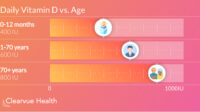
Vitamin D dosing varies based on baseline lab results, body weight, absorption, sun exposure, and overall health. A “one-size-fits-all” approach rarely works well. That’s why a measured plan is essential.
Common strategies include:
• Daily low-dose maintenance to support steady levels.
• Short-term higher-dose correction when levels are clearly low, followed by maintenance.
• Adjustments if follow-up testing shows your levels are rising slower than expected.
Safety matters. Too much vitamin D can lead to high calcium levels and complications. This is where oversight is valuable—especially if you have kidney disease, a history of calcium stones, or use medications that affect calcium metabolism.
Build the Recovery Loop: Pair Vitamin D with Training and Nutrition
Vitamin D can support muscle function, but it doesn’t replace movement. The body adapts through stimulus. If weakness is present, the best path is a recovery loop: optimize micronutrients, strengthen with intention, and nourish muscle-building materials.
Start with resistance training adapted to your current capacity—think controlled squats to a chair, wall push-ups, supported rows, and slow step-ups. Use progressive overload gently. Some days you push; other days you consolidate.
Protein is the co-star. Adequate protein supports muscle repair and maintenance. If your meals are inconsistent, weakness can persist despite supplementation. Consider also electrolytes and hydration, especially if you’re sweating more or eating less than usual.
Here’s the challenge that often sabotages progress: people take vitamin D, but skip the strengthening phase. Vitamin D may help muscle “respond,” yet the body still needs the instruction of training.
What to Expect: Timeline for Changes in Strength
Improvement isn’t always instantaneous. As vitamin D stores replenish, muscle function may gradually improve. Some people notice subtle changes in energy and comfort within weeks, while strength gains may take longer—often aligning with consistent training and adequate nutrition.
Consider using a simple tracking approach: record how you feel on days with activity versus rest, measure rep counts or time-to-complete tasks, and note any changes in soreness. This turns vague frustration into tangible progress.
Also remember: if weakness worsens, or if symptoms include unusual numbness, severe pain, shortness of breath, or sudden loss of function, prompt medical evaluation is essential.
Safety Warnings and When to Seek Medical Guidance
Vitamin D is generally well-tolerated when dosed appropriately, but it can be risky when misused. Avoid megadosing without labs and clinical input. Extra caution is warranted if you:
• Have kidney disorders.
• Have hypercalcemia or history of kidney stones.
• Take medications such as thiazide diuretics or certain calcium supplements.
• Experience symptoms like excessive thirst, frequent urination, constipation, or confusion.
If you’re unsure, a clinician can help interpret labs and craft a plan that fits your physiology—not just a general recommendation.
Practical 2025 Plan: A Week-to-Week Strategy
Here’s a cohesive pathway to overcome muscle weakness using vitamin D while keeping expectations realistic.
Step 1 (Day 1–7): Plan testing (if available) and review your diet and activity. Identify risk factors: indoor time, sun habits, and protein intake.
Step 2 (Week 2–6): Begin an appropriate vitamin D regimen with food. Start resistance training at a conservative volume. Prioritize sleep consistency.
Step 3 (Week 6–12): Increase training difficulty gradually. Reassess symptoms using your tracking notes. If labs were initially low, consider follow-up per clinician guidance.
Step 4 (Beyond 12 weeks): Shift to maintenance dosing if levels normalize. Continue progressive strengthening to lock in functional gains.
Closing Thought: Turn Weakness into a Measurable Mission
Muscle weakness doesn’t have to be a permanent narrative. With vitamin D, you may remove one barrier to neuromuscular performance—especially if deficiency is part of your story. Yet the most powerful outcome comes from integration: labs when possible, sensible dosing, and training that tells your muscles, “We’re doing this together.”
So here’s that earlier playful question again—only now it’s actionable: what if your next month could be your first chapter of stronger movement? Start with clarity, move with intention, and let your progress—measured and earned—do the talking.