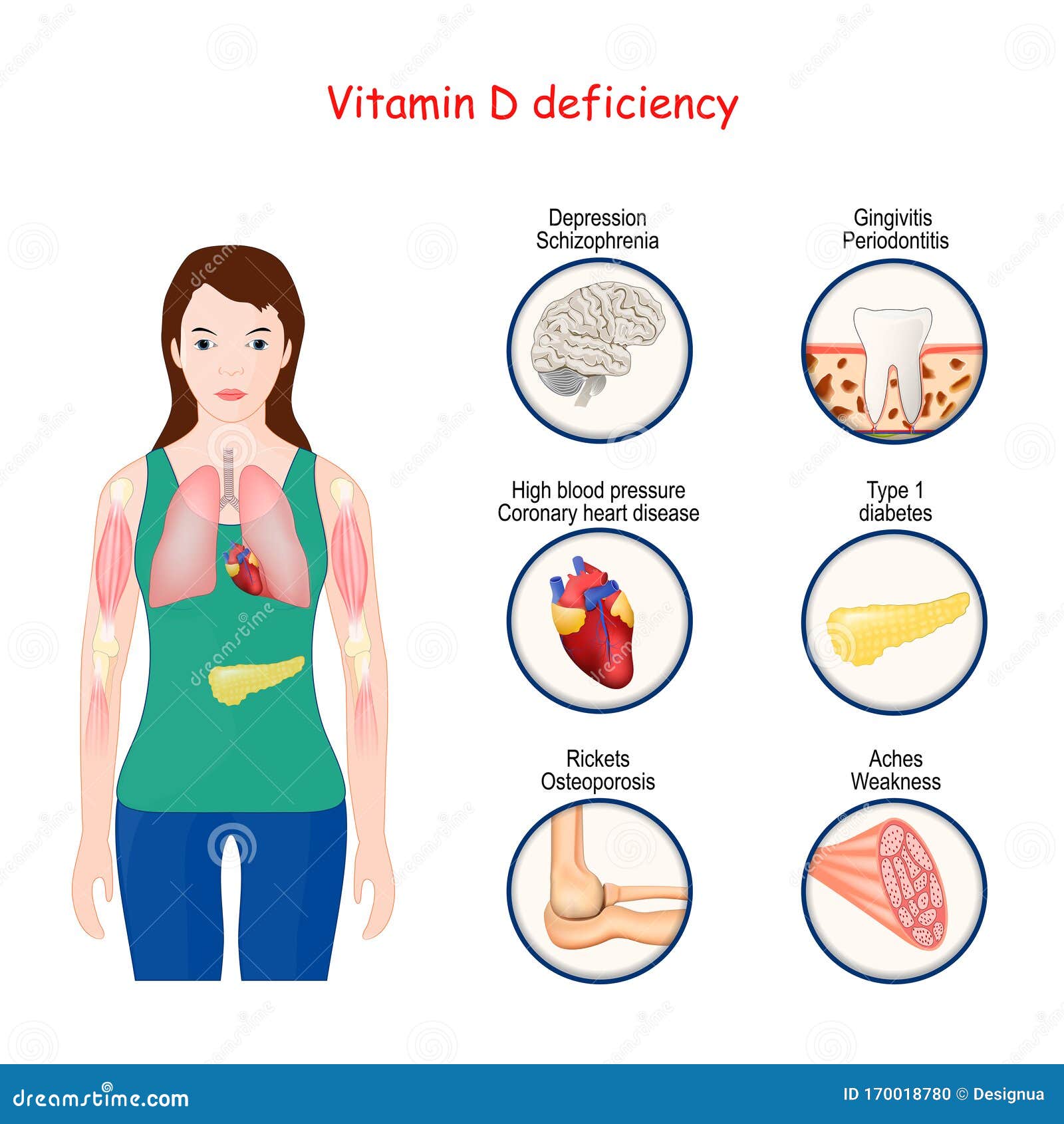
Vitamin D is the quiet architect of healthy growth. It helps the body absorb calcium, orchestrate bone remodeling, and modulate immune function—yet it can be painfully easy for families to overlook. In teens, symptoms often arrive in disguises: vague aches, mood shifts, fatigue that’s written off as “just stress,” or skin changes dismissed as nothing more than seasonal irritation. The result is that vitamin D deficiency can linger, slowly amplifying discomfort and risk while parents focus on the more obvious dramas of adolescence.
Why Vitamin D Deficiency in Teens Can Be So Hard to Spot
Teens rarely describe symptoms in medical terms. They may complain that their legs “feel weird” after a long day, that stairs are harder than before, or that they’re tired in a way sleep doesn’t fix. Even the classic pattern—muscle weakness, bone pain, and reduced stamina—can be interpreted as growing pains, athletic strain, or simply being busy.
There’s also a cognitive trap: if a teen is active, parents may assume vitamin D must be adequate. But deficiency can coexist with sports. A schedule filled with school, tutoring, screens, and indoor time can reduce sun exposure dramatically. Likewise, some diets may be healthy overall yet still low in vitamin D—especially when fortified foods are inconsistent.
Then come the subtler clues. Vitamin D deficiency can influence mood and inflammation pathways. The body begins to behave as though it’s under-supplied, even while daily routines look normal from the outside.
Musculoskeletal Symptoms: The “Growing Pains” That Don’t Quite Fit
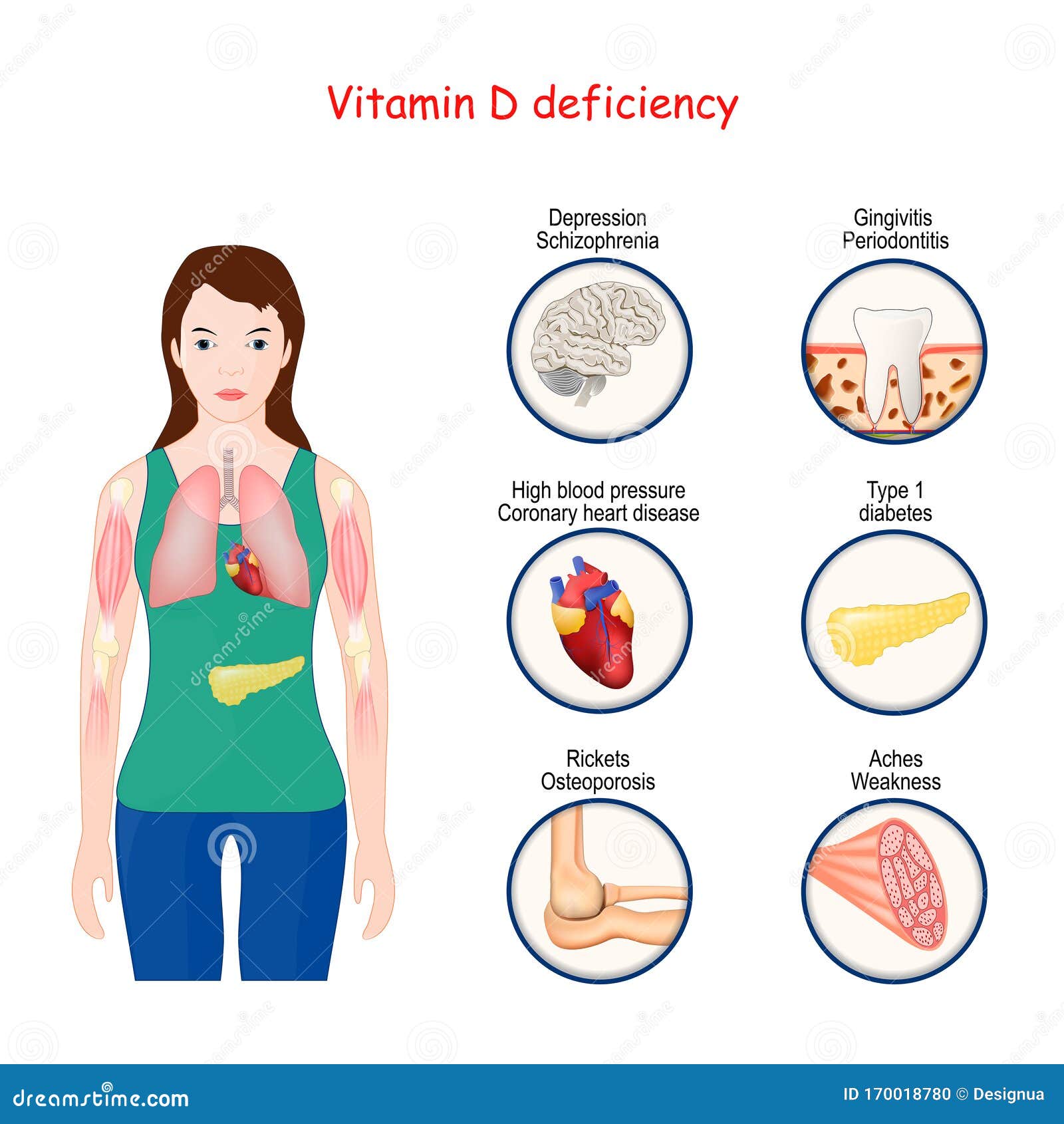
Bone and muscle discomfort is one of the most commonly missed signals. Some teens experience diffuse aches rather than pinpoint pain, often in the lower back, hips, thighs, or knees. Parents may notice a teen who becomes more sedentary—not because of motivation, but because movement hurts or feels unreliable.
Weakness can also masquerade as clumsiness. A teen might stumble more during sports, struggle with planks, or find that they can’t maintain the same training pace. Long periods of sitting can make stiffness feel worse, and morning discomfort may linger longer than typical stiffness from activity.
In more pronounced cases, deficiency can contribute to brittle bone architecture and heightened susceptibility to stress fractures. The pain may emerge after relatively minor exertion—an event that seems too small to justify the intensity.
Fatigue and Low Endurance: When Sleep Doesn’t Reset the Body
Adolescence is already exhausting. Between school demands, shifting circadian rhythms, and social pressure, fatigue is common. Vitamin D deficiency can amplify this baseline tiredness into something persistent. Teens may report feeling drained even after a full night’s sleep. They might struggle to concentrate, complain of “heavy” legs, or avoid activities they normally enjoy.
Parents sometimes interpret this as burnout, screen addiction, or mood disorder. But vitamin D deficiency can create a physical fatigue signal that doesn’t respond to routine changes alone. The teen’s energy curve becomes oddly flat. Motivation drops—not due to apathy, but because the body feels inefficient.
Shortness of breath during exertion is another possibility in some cases. It’s easy to chalk up to deconditioning or asthma if the teen already has respiratory triggers. Still, vitamin D status should be considered when exertion feels disproportionately punishing.
Muscle Cramps, Pain, and Weakness: The Body’s Quiet Miscommunication
Muscles depend on careful biochemical timing. When vitamin D is low, muscle function can become less coordinated. Teens may experience frequent cramps, lingering soreness after normal activity, or generalized muscle tenderness.
Some describe “pins and needles” or odd sensations, while others simply report that their legs “feel off.” Parents might notice reduced grip strength during sports or that the teen can’t complete the same repetitions as before.
A key pattern is consistency. Vitamin D deficiency symptoms tend to persist rather than vanish after a few days. Improvement might be partial at first, but it usually requires targeted correction—not just rest.
Skin and Hair Clues: Rash-Like Changes and Unusual Dryness
Skin is not just a surface; it’s a barometer of immune and inflammation balance. In vitamin D deficiency, some teens may experience dermatitis-like changes, persistent dryness, or rashes that are slow to resolve. These may be mistaken for eczema, allergy, or “just sensitive skin.”
Vitamin D interacts with immune regulation, so inflammatory patterns can become more persistent. If a teen’s skin flares repeatedly despite typical skincare routines, it may be worth considering whether internal factors are contributing.
Hair can also reflect nutritional insufficiency indirectly. While vitamin D deficiency is not the sole driver of hair problems, some teens experience increased shedding or changes in texture that overlap with other deficiency states.
Mood and Cognitive Effects: Irritability, Demotivation, and Mental Fog
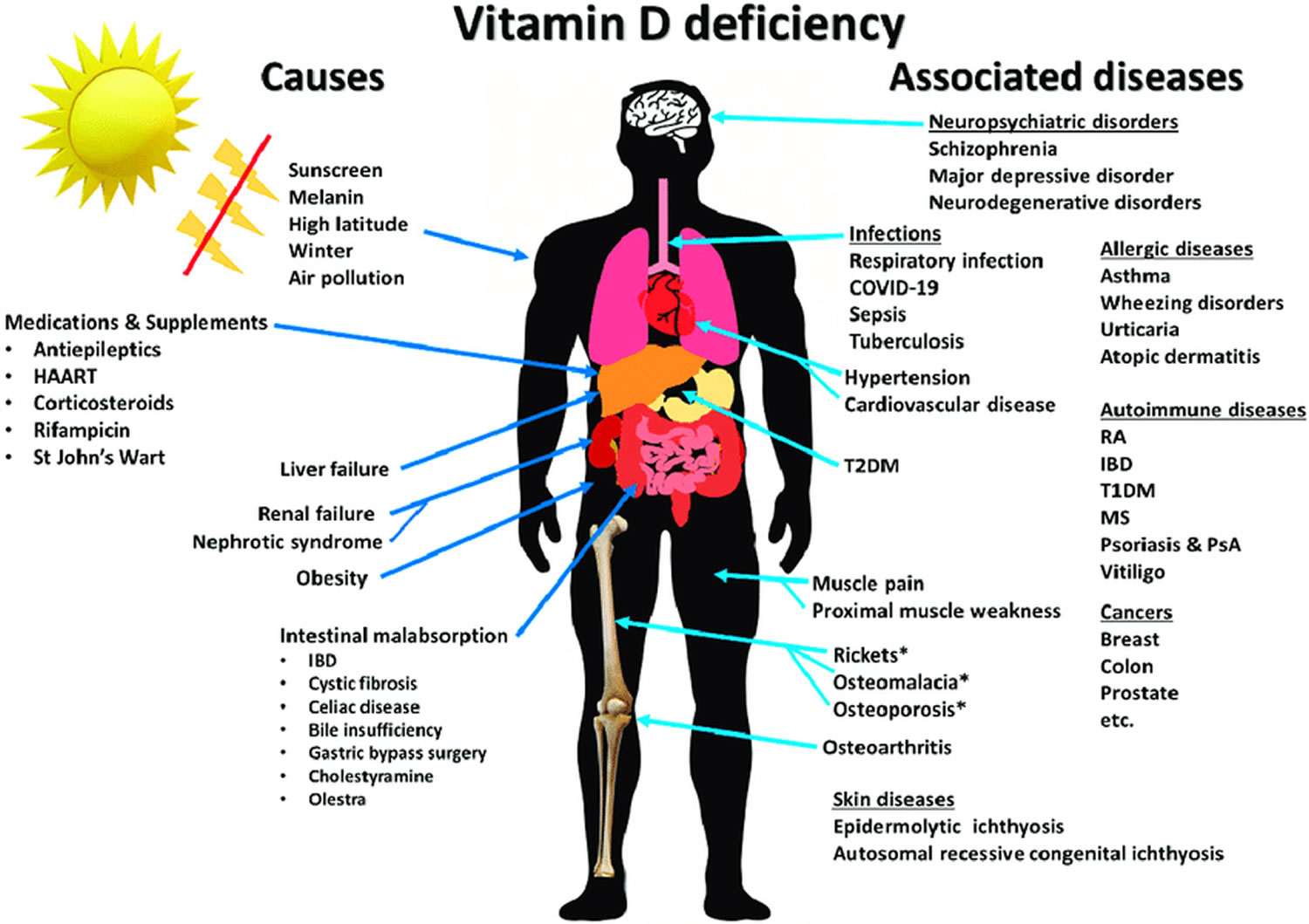
Vitamin D has been linked to neurotransmitter activity and immune modulation, so deficiency can influence mood. Teens may become unusually irritable, withdrawn, or prone to emotional swings that seem disproportionate to circumstances. Parents may notice a decline in tolerance—small stressors feel bigger.
Concentration can also suffer. A teen might struggle to focus during homework, forget details more often, or seem mentally “foggy.” Sometimes it’s described as daydreaming, but it may be fatigue with cognitive interference.
Long sentences can be hard to parse for the teen, and long tasks become harder to initiate. This can look like procrastination or a lack of discipline, yet the underlying issue may be neurochemical inefficiency triggered by low vitamin D stores.
Growth and Bone Health: The Risk Beneath the Everyday
Teen years are a high-stakes building period for bone density. If vitamin D is insufficient, the body may absorb calcium less effectively, potentially compromising peak bone mass. Parents can miss this because it’s not always accompanied by dramatic symptoms. Instead, the risk accumulates quietly.
Pay attention to signs that a teen’s skeleton may be struggling: persistent back or leg pain, difficulty participating in weight-bearing sports, or repeated complaints after minor impacts. Even if the teen “bounces back,” the frequency of discomfort matters.
Some adolescents show delayed recovery from injuries. Others experience recurring aches that never fully leave. Over time, this can increase the likelihood of stress fractures—especially in runners, dancers, and athletes who train intensively.
Common Overlooked Triggers: Lifestyle Patterns That Reduce Sun-Mediated Vitamin D
The body can synthesize vitamin D through skin exposure to sunlight. Modern routines can quietly sabotage that pathway. Indoor schedules, heavy sunscreen use without balanced exposure, cloud cover, darker skin pigmentation, and limited dietary intake can all contribute.
Teens who wear full-coverage clothing for cultural, religious, or personal reasons may still have healthy vitamin D levels if diet and supplementation are addressed thoughtfully. But without that backup, deficiency becomes more plausible.
Dietary patterns matter too. Teens who avoid fortified milk alternatives, consume low-fish diets, or snack mostly on unfortified foods can run short. Even “healthy eating” sometimes misses vitamin D if it isn’t intentionally included.
When Parents Should Escalate: Red Flags and Timing
Consider escalation if symptoms persist for weeks, worsen with activity, or cluster across systems—bone aches plus fatigue, cramps plus skin changes, or mood shifts plus reduced stamina. Also flag repeated injuries, especially stress-related pain.
If a teen’s discomfort interferes with school performance or sports participation, that’s a practical threshold. Teen bodies are adaptable, but they shouldn’t have to adapt to chronic insufficiency.
Clinicians typically use blood testing to assess vitamin D status. If deficiency is confirmed, the plan may involve dosing adjustments tailored to age, weight, and severity. Follow-up testing can help confirm that stores are rebuilding rather than merely fluctuating.
What Readers Can Expect: A Clear Path from Confusion to Action
This topic is often surrounded by rumor and misattribution. Some parents assume vitamin D deficiency only shows up as a dramatic bone problem. Others believe it’s purely a winter phenomenon. In reality, it can appear year-round, with subtle symptoms that come in clusters.
For readers, the most helpful content is structured: first, recognizing the symptom constellation; next, reviewing lifestyle triggers; and then, understanding what evaluation typically involves. The goal isn’t to self-diagnose. The goal is to recognize patterns early enough that a teen doesn’t live with preventable discomfort.
When information is organized this way, parents gain leverage. They can ask sharper questions, track symptom timelines, and advocate for testing when the body’s signals keep repeating. In the end, vitamin D deficiency in teens is not a mystery—it’s a solvable gap that deserves timely attention.