Teen years are a peculiar kind of acceleration. Bodies grow in bursts, practices get longer, and the calendar begins to feel like a metronome—repeat, repeat, repeat. Somewhere in the middle of that rhythm, many athletes learn a hard lesson: pain is not always a simple “overuse” problem. Sometimes it’s the body’s quiet warning that the skeleton is being asked to remodel faster than it can safely manage. In that story, vitamin D plays a role that’s easy to underestimate and difficult to ignore once it’s missing. What if a small change in perspective—toward bone biology rather than just training intensity—could reduce the chances of bone stress fractures?
Why Bone Stress Fractures Feel So Sneaky
Bone stress fractures don’t usually arrive with theatrical drama. They often begin as a vague, localized ache that seems to fade with rest and return with the next session. The pattern can be misleading: the athlete thinks, Maybe it’s nothing. Yet inside the bone, microdamage accumulates. Under normal conditions, the body repairs that microdamage. Under heavy load—especially during growth spurts—the repair can lag. The result is a fracture line so small it’s almost invisible at first.
This is where vitamin D becomes more than a nutrient label. Vitamin D is intertwined with calcium handling and bone mineralization. When vitamin D status is insufficient, the skeleton can become less “mineralized,” meaning it may not reach its optimal stiffness and resilience for the demands being placed on it.

The Adolescent Skeleton: A Building Project Under Pressure
Teens are not simply “grown-up bodies getting bigger.” They’re actively remodeling, laying down new bone while old bone is quietly reorganized. This remodeling is hormonal, mechanical, and nutritional all at once. Training adds mechanical load; growth adds demand. Together, they create a high-stakes construction environment.
Imagine bone as a smart infrastructure system. It adapts to the stresses you impose—up to a point. Vitamin D acts like a logistical coordinator for calcium and mineral availability, helping ensure the building materials are present where they’re needed. Without sufficient vitamin D, mineral deposition may be suboptimal. That doesn’t guarantee injury, but it can tilt the odds toward stress reactions when training intensity climbs.
Vitamin D: The Quiet Accelerator of Calcium Mineralization
The most common assumption is that vitamin D is “good for bones.” That’s true, but it’s also vague. Vitamin D supports the biological chain reaction that helps convert dietary and circulating calcium into a form usable for mineralizing bone. In practical terms, adequate vitamin D can help optimize bone density and improve the bone’s capacity to tolerate repetitive impact.
For teen athletes, repetitive stress is constant: sprinting, landing, pivoting, and pushing through fatigue. Over time, bones subjected to repetitive loading rely on a steady balance between damage and repair. Vitamin D helps maintain the biochemical conditions required for that balance to function efficiently.
Promises a Shift in Perspective: Treat the Skeleton, Not Just the Symptoms
There’s a familiar pattern in sports culture. Pain shows up, imaging follows, and treatment becomes reactive—rest, pain management, a return-to-play timeline. That approach can be helpful, but it tends to ignore the “pre-injury narrative.” A shift in perspective means looking upstream: asking what conditions allowed the stress injury to emerge.
Consider the difference between chasing the latest ache and building prevention as a system. Vitamin D fits prevention because it’s upstream. It’s not about “winning the day” after pain starts. It’s about supporting the foundation so the skeleton can handle the season without losing structural confidence.
Curiosity Worth Having: Why Some Athletes Seem More Susceptible
Not every athlete trains the same way, eats the same way, or spends the same amount of time outdoors. Some teens are meticulous—meals are planned, routines are consistent. Others are juggling school, commuting, and the chaotic logistics of practices. Even athletes who eat well may still have limited vitamin D from sun exposure and dietary intake.
Risk can also vary by sport and training pattern. Sports with frequent impact, cutting, and jumping—track and field events, court sports, gymnastics, distance running—tend to produce higher skeletal loading. When that loading intersects with an insufficient vitamin D status, bones may be less able to keep pace with microdamage repair.
Common Signs and the “Don’t Wait” Principle
A stress fracture isn’t always obvious. But there are patterns that deserve respect. Pain that becomes more focal, worsens with activity, and persists despite reduced training should not be treated as a minor inconvenience. If discomfort gradually escalates over days or weeks, the safest assumption is that something structural is happening.
Early evaluation matters because stress injuries can progress. Rest alone may be insufficient if the underlying nutritional or biomechanical factors remain unaddressed. Vitamin D support can be part of a broader prevention strategy, especially when deficiency or insufficiency is suspected.
How Vitamin D Status Is Often Assessed
In preventive health, measurement can replace guesswork. Clinicians frequently evaluate vitamin D status using blood tests that reflect circulating vitamin D metabolites. That turns the conversation from “maybe” to “how much, and what should be done next.”
For teens, it’s also important to discuss intake patterns: dietary calcium, vitamin D sources, sunlight exposure, and consistency. A single nutrient rarely solves a complex problem. But vitamin D can be a missing link—an underappreciated variable that changes what “normal” bone remodeling feels like during demanding training cycles.
Food and Sun: Helpful, Yet Not Always Reliable
Some athletes spend weekends outdoors and assume vitamin D is “covered.” Others train indoors or in places where the sun is less available. Even in sunny climates, clothing coverage, sunscreen habits, time of day, and skin pigmentation can reduce vitamin D synthesis.
Diet can help, but it varies widely. Fortified dairy alternatives, fortified milk, eggs, fatty fish, and certain supplements can contribute. Still, intake may fall short during periods of rapid growth and high training volume—exactly when bones need reliable mineralization support the most.

Supplements: When They Make Sense—and When They Don’t
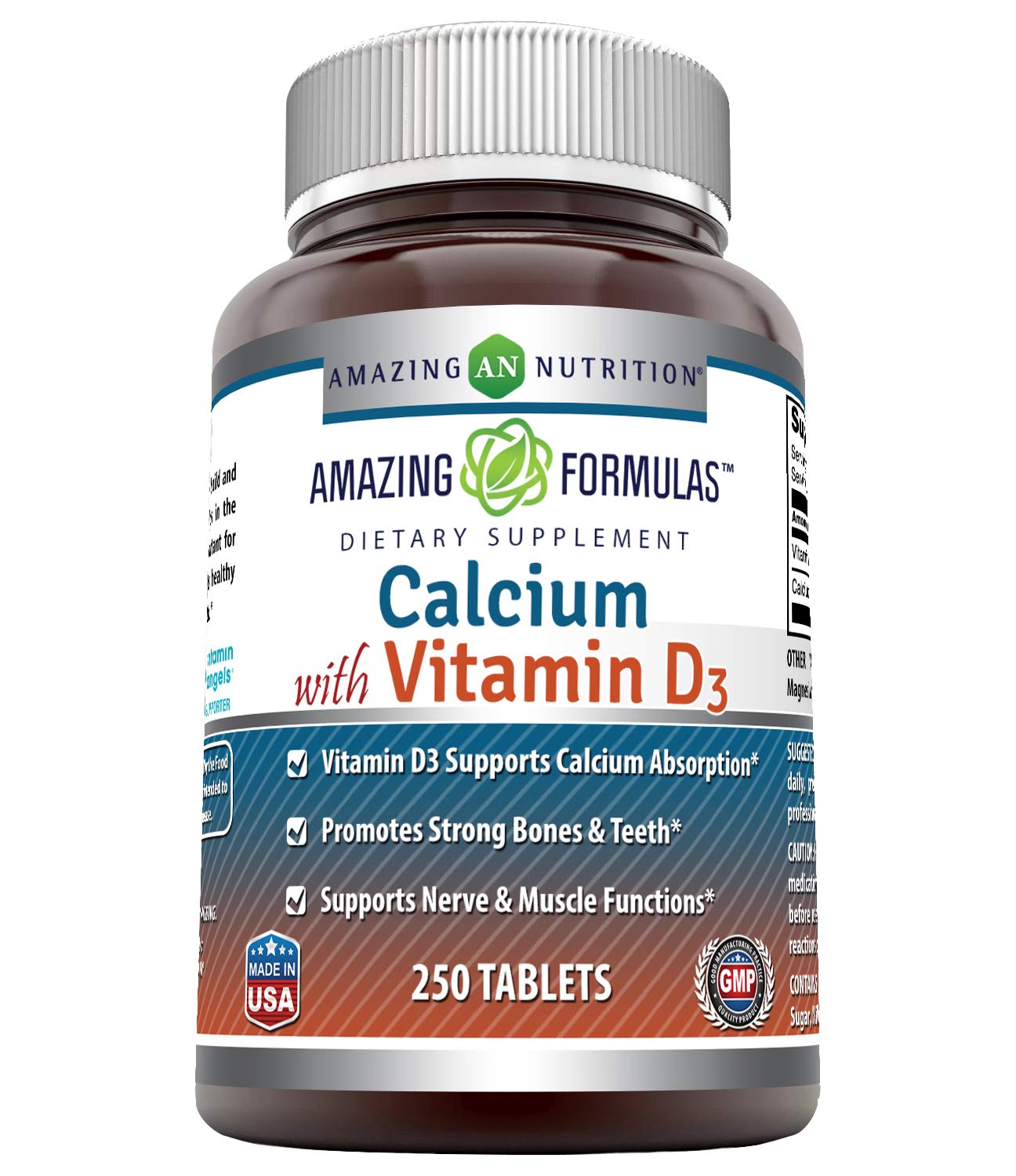
Vitamin D supplements can be beneficial when intake and sunlight exposure don’t meet requirements. However, dosage should be personalized. Too much can create its own problems, and too little may be indistinguishable from doing nothing. That’s why vitamin D is best approached as targeted support, not as a casual add-on tossed into a supplement cabinet.
The most effective mindset is collaborative: athlete, guardian, clinician, and—when appropriate—sports dietitian. In a season-long plan, supplementation becomes part of a larger prevention protocol that includes adequate energy intake, calcium adequacy, and recovery practices.
Calcium and Energy Availability: The Partnering Duo
Vitamin D doesn’t work alone. It partners with calcium to enable mineralization. But calcium needs a place to land, and energy needs to be sufficient for remodeling. If an athlete is unintentionally under-fueling—common during busy school schedules or pressure to maintain body weight—the body may prioritize survival over construction.
That’s why prevention should feel holistic. Vitamin D helps optimize the biochemical environment, while adequate calories and calcium support the physical build. Think of it as a two-lane system: vitamin D helps open the supply route; nutrition ensures the construction crew can actually do the work.
Training Wisdom That Complements Nutrition
Even with optimal vitamin D status, bones respond to training load. Prevention includes smart programming: gradual increases in intensity, attention to sudden jumps in volume, and respect for early symptoms. Coaches and athletes can treat recovery as training, not as downtime.
Biomechanics also matters. Poor landing mechanics, inadequate footwear, and insufficient strength work can amplify stress. When the mechanical side is addressed alongside nutrient readiness, bones gain structural steadiness—less vulnerability to the “microdamage cascade.”
A Season-Long Prevention Mindset
The goal isn’t fear of injury. It’s confidence in the body’s ability to adapt. A season-long mindset treats vitamin D as infrastructure support: consistent, measured, and integrated. When athletes shift from reaction to prevention, they stop viewing bone stress fractures as inevitable and begin recognizing them as signals—signals that training load, nutrition, and recovery need fine-tuning.
If vitamin D is low, addressing it can be one of the simplest prevention moves available. Not dramatic. Not flashy. But quietly powerful. And for teen athletes—where the calendar moves quickly—that quiet advantage can make all the difference between pushing through a season and having it interrupted by a fracture that could have been prevented.