
You lie down, you close your eyes, you even drift off—yet morning arrives with the familiar weight of fatigue. It’s not the sleepy kind that vanishes after coffee. It’s deeper. More persistent. And it often comes with a strange sameness: the same tiredness, the same foggy mind, the same low-grade exhaustion that sleep refuses to unspool. Here’s the twist many people miss—sometimes the problem isn’t sleep at all. Sometimes it’s what your body is doing (or not doing) behind the scenes, and one nutrient sits at the center of that story: vitamin D.
The Quiet Role of Vitamin D in Energy—And Why It’s Often Overlooked
Vitamin D isn’t merely a “bone nutrient.” It behaves more like a hormone precursor, influencing communication between cells throughout the body. When vitamin D levels are low, the downstream effects can feel oddly non-specific: tiredness that doesn’t match your sleep schedule, a body that feels sluggish even after rest, and muscles that seem to contract with reluctance.
Think of vitamin D as an administrator of energy regulation. It supports pathways tied to inflammation control, neuromuscular function, and immune balance. If those systems are running with insufficient resources, your body can compensate—until compensation becomes chronic fatigue.
Many people assume fatigue is always psychological or lifestyle-related. Sometimes it is. But sometimes it’s biochemical—measurable, addressable, and quietly persistent.
Why “Even with Sleep” Still Doesn’t Fix It
Sleep is restorative, but it can’t fully correct a metabolic imbalance. If vitamin D deficiency is present, your body may be stuck in a loop: inadequate cellular signaling, subtle inflammation, and reduced efficiency in muscle and energy pathways. You might rest for hours, but your internal systems may not receive what they need to recover.
This is where the narrative shifts. Rather than asking, “Why am I sleeping but not feeling better?” you begin asking, “What is my body lacking that sleep cannot compensate for?”
Fatigue that lingers despite adequate sleep can be the body’s way of flagging a shortage—sometimes not dramatic enough to feel urgent, yet persistent enough to drain your days.
Common Clues You Might Be Low in Vitamin D
Vitamin D deficiency is notorious for wearing a disguise. It rarely arrives with only one symptom. Instead, it mixes itself into everyday life.
Consider whether you also experience:
- Worn-out energy that builds slowly across the week
- Muscle weakness or achiness that feels “backgrounded,” but constant
- Low mood or irritability, as if your emotional battery is leaking
- More frequent illness or lingering recovery time
- Reduced motivation that’s not explained by stress alone
These clues aren’t a diagnosis. They’re a pattern. Patterns are valuable. They help you notice what your mind has been tolerating.
How Vitamin D Works: From Sunlight to Signals
Vitamin D begins in the skin through sunlight exposure. Once produced, it travels through a process involving the liver and kidneys to become the active forms your body can actually use. If any part of this chain is limited—low sun exposure, seasonal changes, darker skin pigmentation requiring more time outdoors, or certain dietary patterns—vitamin D stores may not keep up.
Then comes the internal “handoff.” Vitamin D influences gene expression and cellular behavior, supporting systems that regulate inflammation, muscle function, and immune response. In plain terms: it helps your body run smoothly. When it’s low, your body can feel like it’s working in a dimmer mode.
Here’s the curiosity spark: you can do everything “right” with sleep and still feel unwell if your foundational biochemical inputs are missing.
Fatigue, Inflammation, and the Body’s Energy Tax
One reason vitamin D may affect fatigue is its relationship with inflammation. Chronic low-level inflammation can increase perceived effort, disturb recovery, and amplify the feeling of heaviness in the body. Instead of bouncing back after rest, you may feel as though your tissues never fully reset.
Inflammation doesn’t always announce itself with dramatic symptoms. Sometimes it’s subtle, simmering, and it steals energy in quiet increments. If vitamin D helps modulate inflammatory pathways, restoring it could feel like turning down a constant background noise—enough for your body to finally exhale.
Vitamin D vs. “Other Vitamin” Fatigue—Why the Focus Still Matters
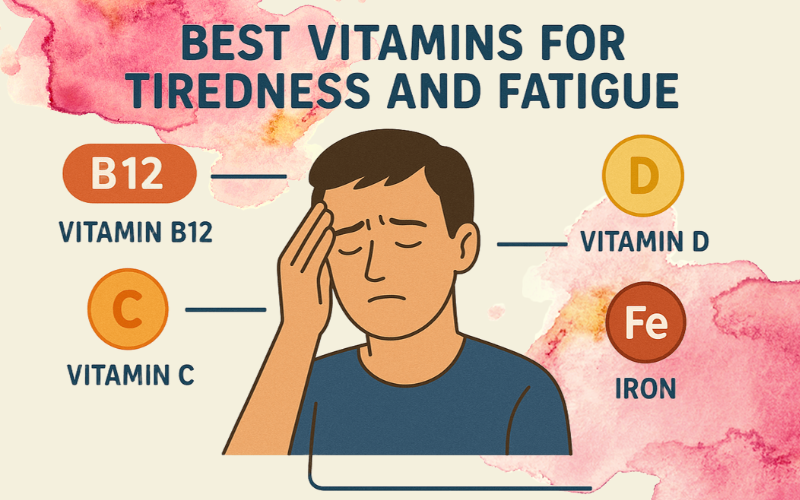
Fatigue is often blamed on a buffet of deficiencies: iron, B12, magnesium, vitamin C, and more. That’s not wrong. But vitamin D is a distinctive player because it frequently tracks with lifestyle factors (sun exposure), seasonal shifts, and measurable laboratory findings.
So while other nutrients can absolutely contribute, vitamin D is worth serious attention when tiredness persists. It’s not a generic “energy pill.” It’s a regulator that can influence multiple systems at once.
Think of it like this: iron helps carry oxygen; B vitamins help energy metabolism. Vitamin D helps set the stage so those systems can function efficiently. When stage and script are misaligned, you can feel tired even with “good habits.”
Testing and Interpretation: What to Check Without Guessing
Before chasing supplements blindly, testing provides clarity. A common blood test measures 25-hydroxyvitamin D (often abbreviated as 25(OH)D). This offers a snapshot of your vitamin D status.
Interpretation matters. Symptoms alone can’t confirm deficiency, and normal lab values don’t always mean your body’s experience is identical to another person’s. Factors such as body composition, absorption, sun exposure, and coexisting deficiencies influence how vitamin D relates to fatigue.
Still, testing can be empowering. It transforms fatigue from a vague discomfort into a data-informed question.
Supplementing Vitamin D: What Changes and How Long It Takes
If vitamin D is low, supplementation can gradually shift your body’s internal environment. Some people notice subtle changes—more stable energy, less muscle ache, clearer focus—within weeks. Others require longer, especially if deficiency was significant or if absorption is limited.
Consistency is key. Vitamin D works on biological timelines. It’s not always an overnight rescue, but it can be a slow restoration of capacity.
One caution: dosing should be personalized. Too little may be ineffective; too much can be harmful. A clinician’s guidance is especially important if you have kidney disease, a history of high calcium, or if you’re taking certain medications.
Supporting Habits: Sun, Food, and Lifestyle That Makes Supplementation “Make Sense”
Supplements can help, but they work best when your routine supports them. Sun exposure—while balancing skin safety—can contribute to vitamin D status. Small changes can matter: short outdoor breaks, timed exposure, or consistent sunlight during appropriate seasons.
Diet can also assist. Foods rich in vitamin D include fatty fish (like salmon and sardines), fortified dairy or plant milks, egg yolks, and fortified cereals. Diet alone often isn’t enough for significant deficiency, but it can reinforce progress.
Pairing vitamin D with movement can add another layer. Gentle strength training supports muscle function, and regular activity can improve how you perceive recovery.
When Fatigue Isn’t Just Vitamin D: Red Flags Worth Checking
Vitamin D deficiency can contribute to fatigue, but it shouldn’t be the only explanation. If fatigue is severe, rapidly worsening, accompanied by unexplained weight loss, shortness of breath, chest discomfort, or persistent fever, medical evaluation is essential.
Similarly, fatigue can stem from anemia, thyroid disorders, sleep apnea, depression, chronic stress, medication side effects, and many other conditions. The most effective approach is not “either/or” thinking. It’s comprehensive curiosity—testing vitamin D while also considering other high-yield causes.
A Shift in Perspective: From “Why Can’t I Rest?” to “What Does My Body Need?”
There’s a quiet empowerment in reframing fatigue. Instead of treating tiredness like a personal failure or a lifestyle mystery, you treat it like a biological message. Vitamin D becomes a plausible interpreter of that message—especially when you’ve slept enough, yet still feel drained.
When you check your vitamin D status, consider related deficiencies, and support your body with safe sun exposure and nutrient-rich foods, you replace confusion with direction. The fatigue stops being a fog you navigate blindly. It becomes a signal you can investigate.
And that’s the real promise: not instant transformation, but a clearer path—one that can turn each “another tired day” into evidence that your body is ready for restoration.